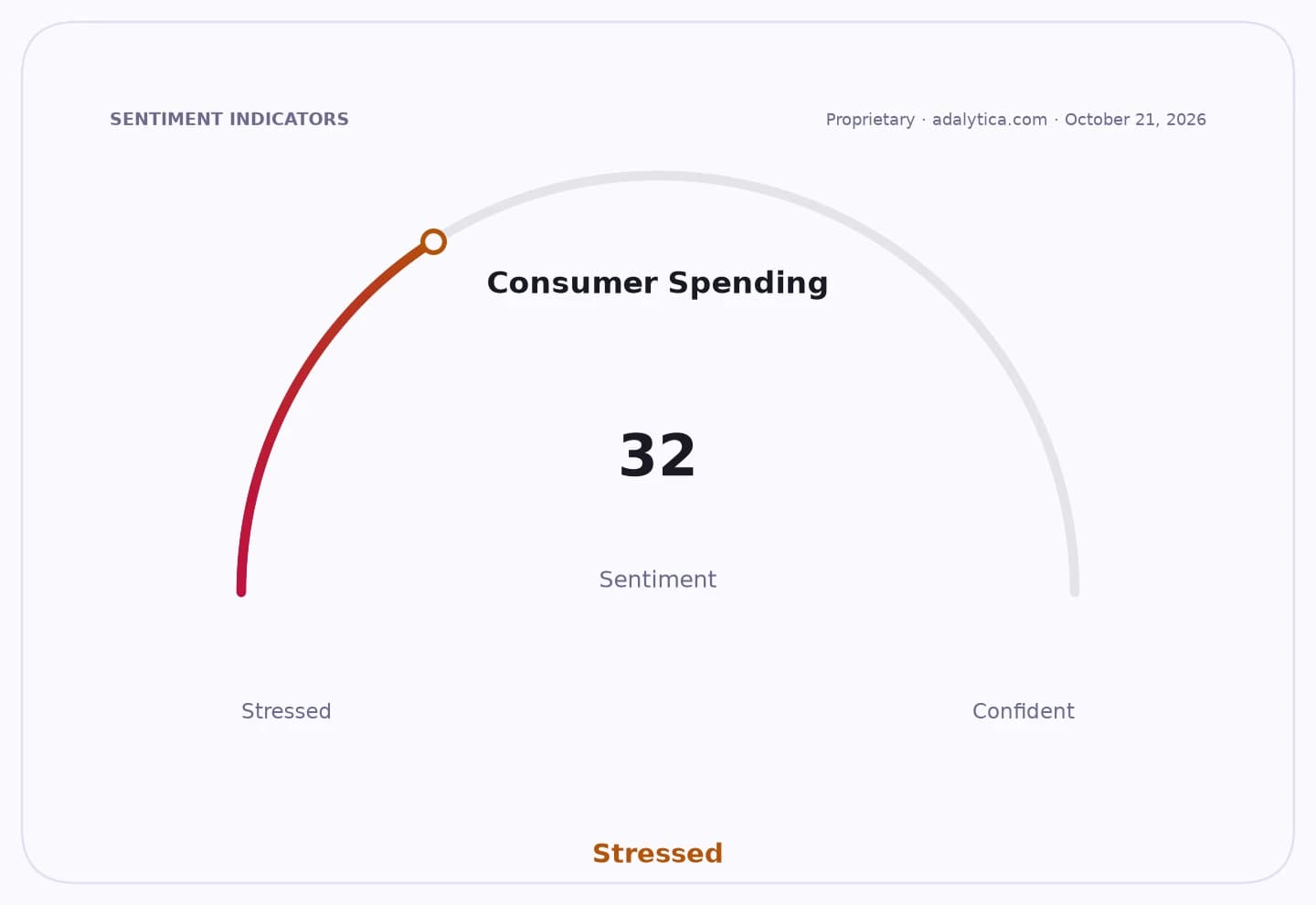
Ireland’s households are set to absorb as much as €1,000 in extra annual costs over the coming weeks, threatening to erase much of the relief expected from next month’s budget and leaving many workers no better off despite planned tax cuts.
Ireland households face higher bills before budget
Higher gas and electricity bills, rising private health insurance premiums, mortgage repayments, streaming charges, PRSI contributions and public transport fares are all feeding into a broad squeeze on disposable income just as the government prepares a moderate tax package. For many families, the benefit of any lower income tax will be swallowed by unavoidable increases in essential spending.
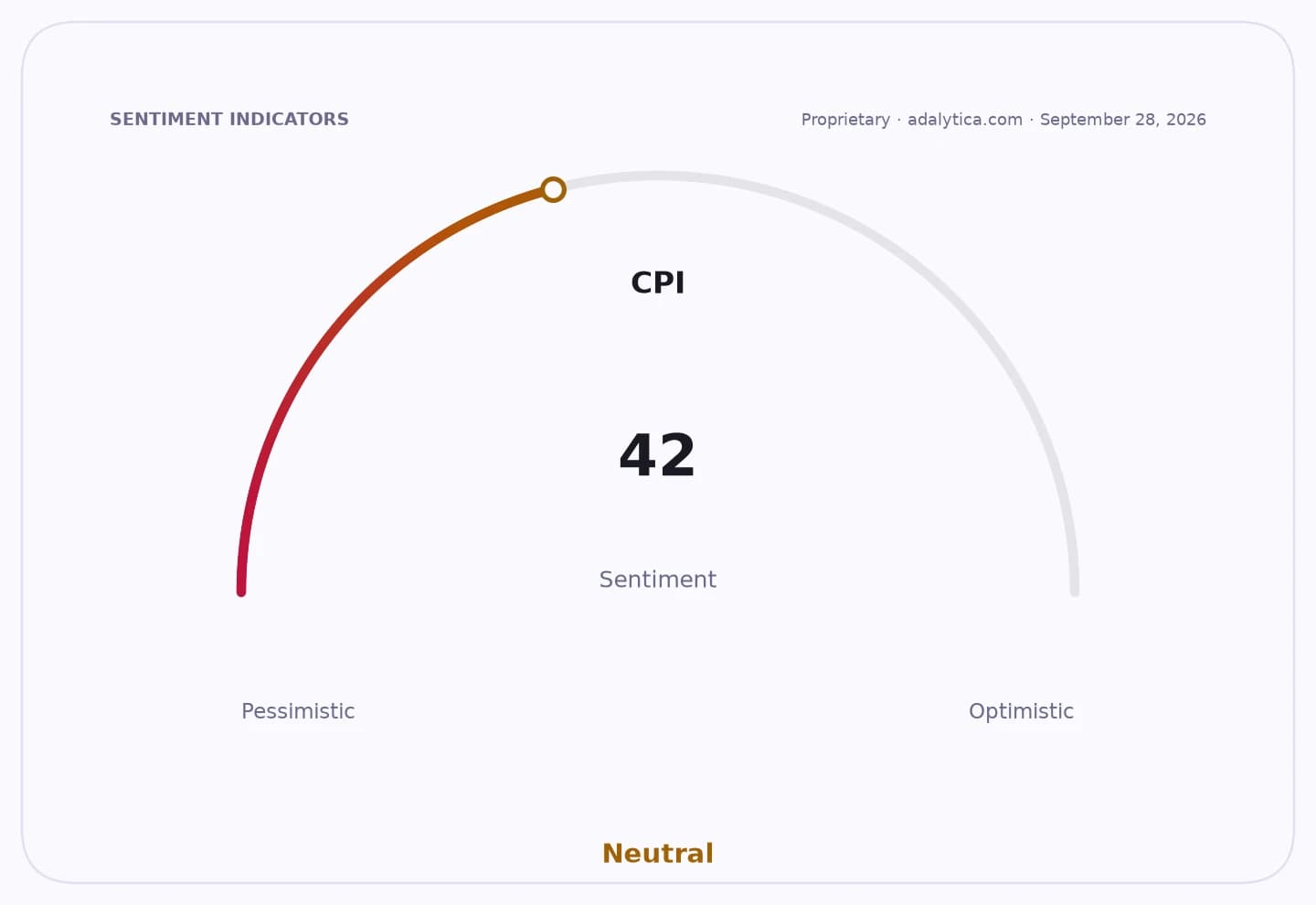
Sentiment IndicatorsⓘProprietary · adalytica.com · September 28, 2026
This is a snapshot — live sentiment, awareness and momentum for 130+ markets update continuously in the dashboard.Open AlphaPulse
Bonkers.ie estimates gas bills will rise by about €140 a year and electricity costs by roughly €180 next month as major suppliers pass on price increases. Private health insurance is also climbing, with VHI raising premiums by 2.75% on average from October and Laya Healthcare expected to follow with even steeper increases, adding as much as €200 to €300 or more for many households.
Mortgage holders are facing a separate hit from the European Central Bank’s rate increases. On a €150,000 loan with 10 to 15 years remaining, repayments are already running more than €30 a month higher, or about €400 a year, and the big Irish banks are expected to lift variable and fixed rates before year-end.
The squeeze is broadening beyond utilities and housing. Netflix has lifted its most popular plans by €2 a month, while public transport fares are due to rise by an average 15% from January. PRSI will also increase from 4.20% to 4.35% in October, costing the average worker about €75 a year more in tax, with a possible carbon tax increase adding further pressure at the pump and on home-heating bills.
The timing matters for the economy because Irish households are already dealing with inflation that has outpaced tax-band thresholds, a point economists say leaves workers paying higher marginal rates sooner than many European peers. Oliver Browne of University College Cork said the previous budget failed to link tax bands to inflation, meaning people were effectively left worse off even without fresh tax increases.
For investors, the story points to weaker household purchasing power and a consumer backdrop that remains fragile even if headline tax relief arrives in the budget. Retailers, transport operators and subscription services may still see demand pressure, while banks and insurers face a politically sensitive environment as customers absorb higher borrowing and cover costs.
The government is expected to announce a moderate package that could leave the average worker with an extra €500 to €600 in take-home pay, but much of that gain is likely to be offset by the coming round of price rises. With voters increasingly focused on living costs, the budget now looks more like a partial shield than a genuine boost to real incomes.
| Entity | Gains | Losses |
|---|---|---|
| Irish government | ▲Budget room for limited tax relief | ▼Voter goodwill on cost of living |
| Workers/households | ▲Some tax-cut relief | ▼Higher bills, PRSI, fares |
| Banks, insurers, utilities | ▲Higher repayments and premiums | ▼Political scrutiny over pricing |
| Consumers of discretionary services | ▲Little immediate gain | ▼Real disposable income |