Ireland’s annual inflation slowed to 3.1% in July, reinforcing the view that price pressures in the euro area’s smaller economies are continuing to cool even as the European Central Bank weighs how quickly it can ease policy.
Ireland inflation slows to 3.1% in July

The moderation matters because it keeps the disinflation trend intact at a time when the ECB is trying to judge whether inflation is settling sustainably near its 2% goal or merely pausing above it. For investors, softer Irish price growth is another data point arguing against fresh tightening and in favour of a slower, more cautious policy stance that could eventually support rate-sensitive assets.
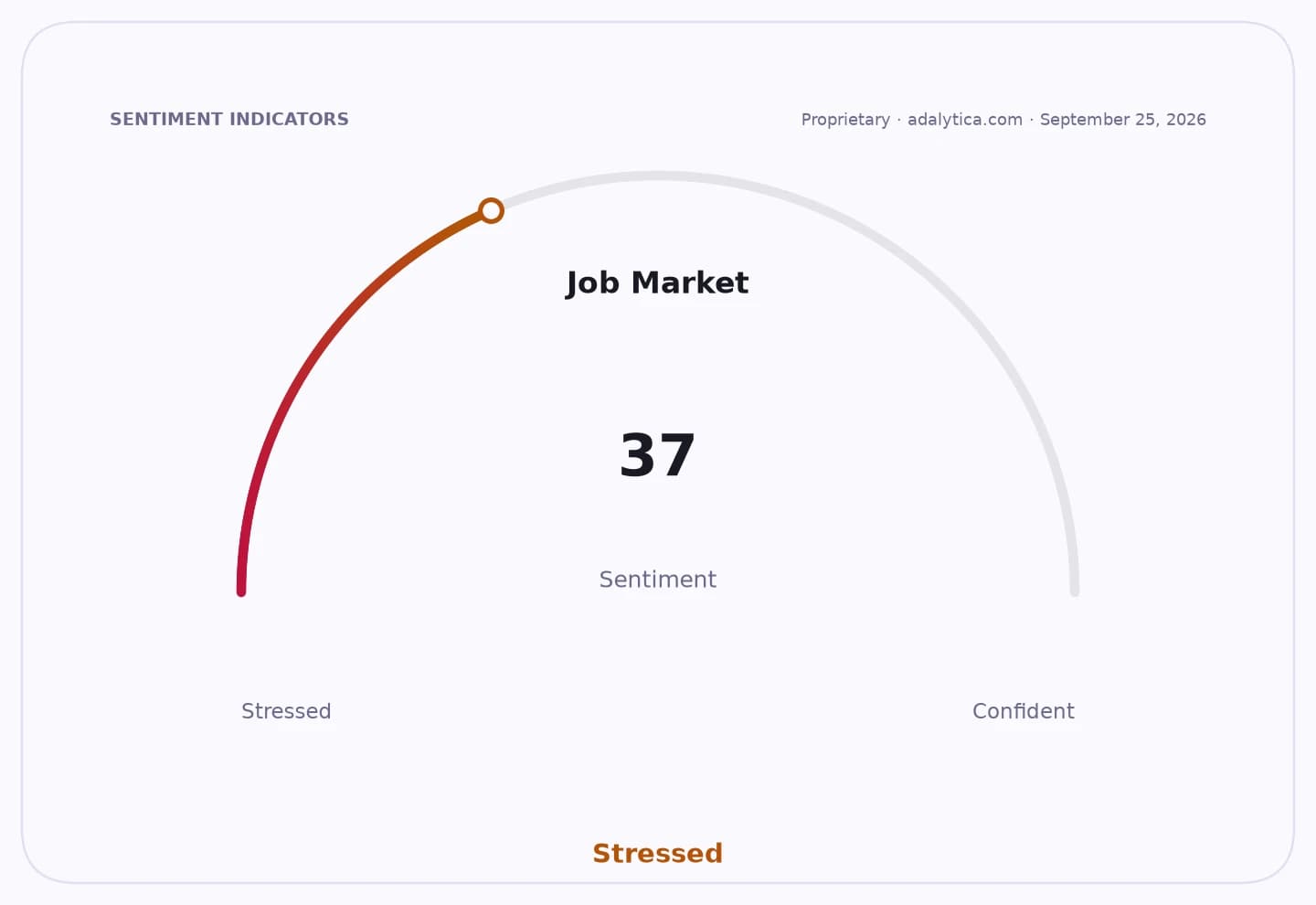
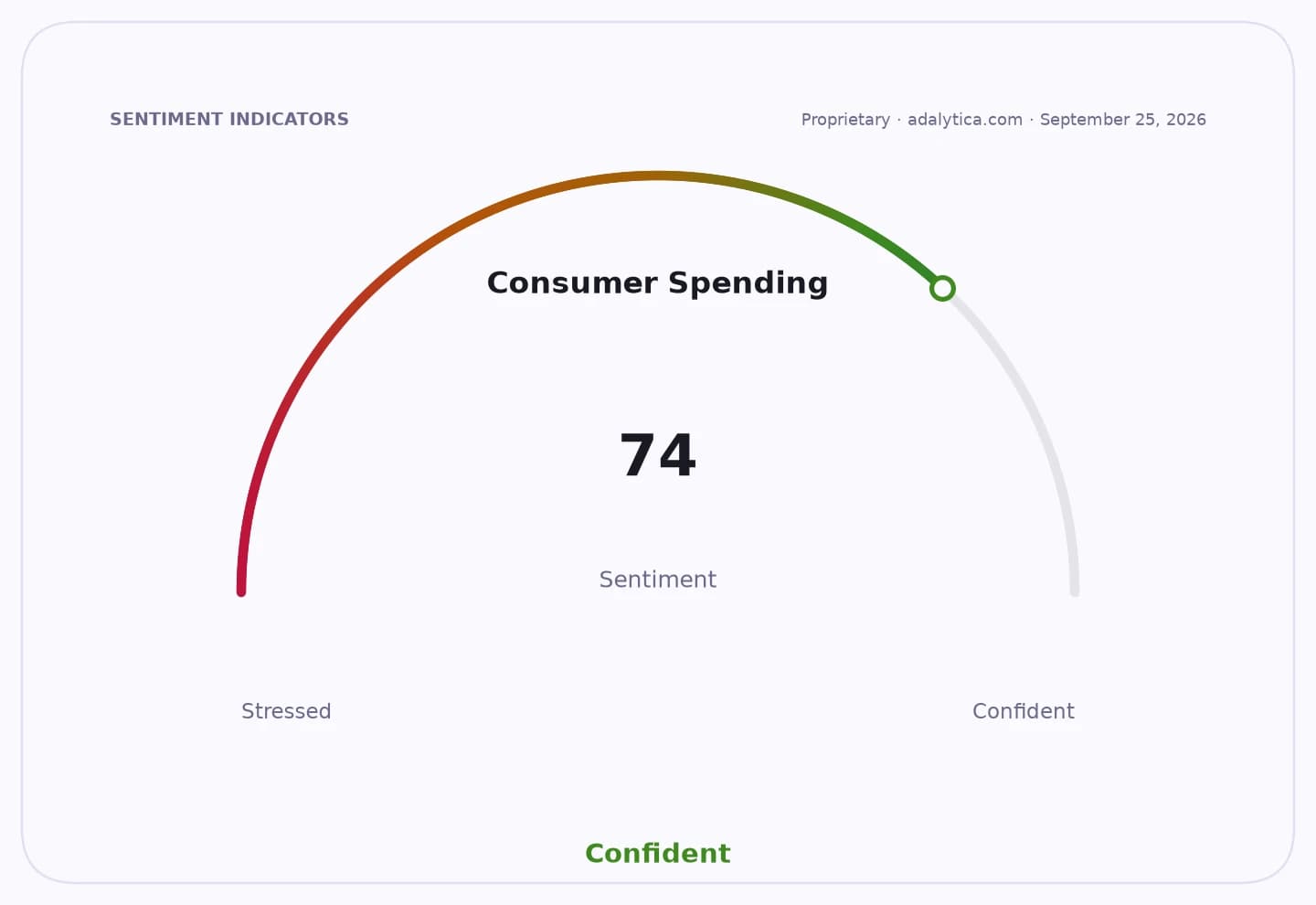
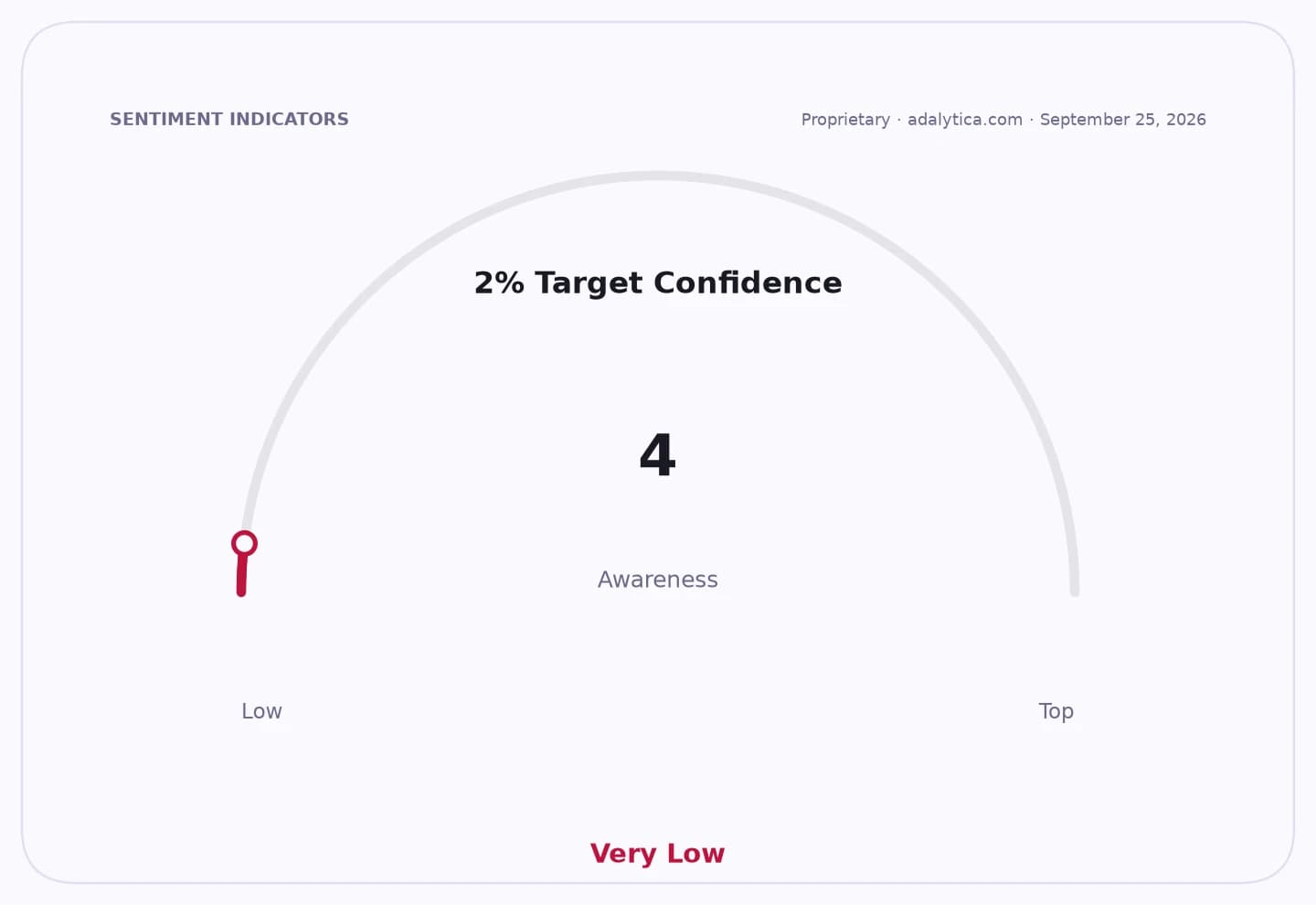
Sentiment IndicatorsⓘProprietary · adalytica.com · July 30, 2026
This is a snapshot — live sentiment, awareness and momentum for 130+ markets update continuously in the dashboard.Open AlphaPulse
The Irish reading comes against a broader backdrop of easing inflation in Europe. Eurozone inflation slowed to 2.8% in June, the first decline this year, helping convince markets that the ECB may already be near the end of its hiking cycle. July’s Irish figure suggests that domestic price momentum in one of the bloc’s richer economies is also fading, reducing pressure on policymakers to stay aggressive.
That does not mean inflation is fully beaten. A 3.1% annual rate is still above the ECB’s target, and services inflation across the currency bloc has remained sticky enough to keep officials cautious. But the direction of travel is what matters most for bond and equity markets: if price gains continue to ease, real household incomes should improve, margin pressure on businesses should soften and the case for lower borrowing costs over time becomes stronger.
Investors will also be watching how quickly the data feeds into rate expectations. The ten-year US Treasury yield was around 4.61% on Wednesday, underscoring that global bond markets remain sensitive to inflation prints even when they are not in the US. In Europe, a steadier inflation path would be supportive for sovereign debt and for sectors that have been hit by higher discount rates, including property and utilities.
Irish listed and Ireland-exposed assets were firmer in recent sessions. The iShares MSCI Ireland ETF rose to $79.51 on Wednesday, while the broader FTSE 100-tracking iShares UK ETF climbed to $47.90, reflecting an investor preference for markets perceived as less exposed to renewed inflation shocks. That does not prove the inflation number alone drove the move, but it fits a market that is increasingly focused on the prospect of stable or falling rates rather than fresh price acceleration.
The bull case for risk assets is that cooling inflation gives central banks room to pivot toward support before growth weakens too sharply. The bear case is that inflation remains above target and could reaccelerate if energy prices, wages or geopolitical tensions pick up again. For now, Ireland’s July reading strengthens the argument that the dominant European story is not a new inflation flare-up, but a gradual return toward policy normalization.
| Entity | Gains | Losses |
|---|---|---|
| Irish households | ▲Easing cost-of-living pressure | ▼Persistent above-target inflation |
| ECB rate-cut camp | ▲More room to ease policy | ▼Less urgency for hawkish stance |
| Bond investors | ▲Lower rate expectations | ▼Risk of higher yields if inflation rebounds |
| Rate-sensitive equities | ▲Better valuation backdrop | ▼Banks and cash-rich savers if rates fall |