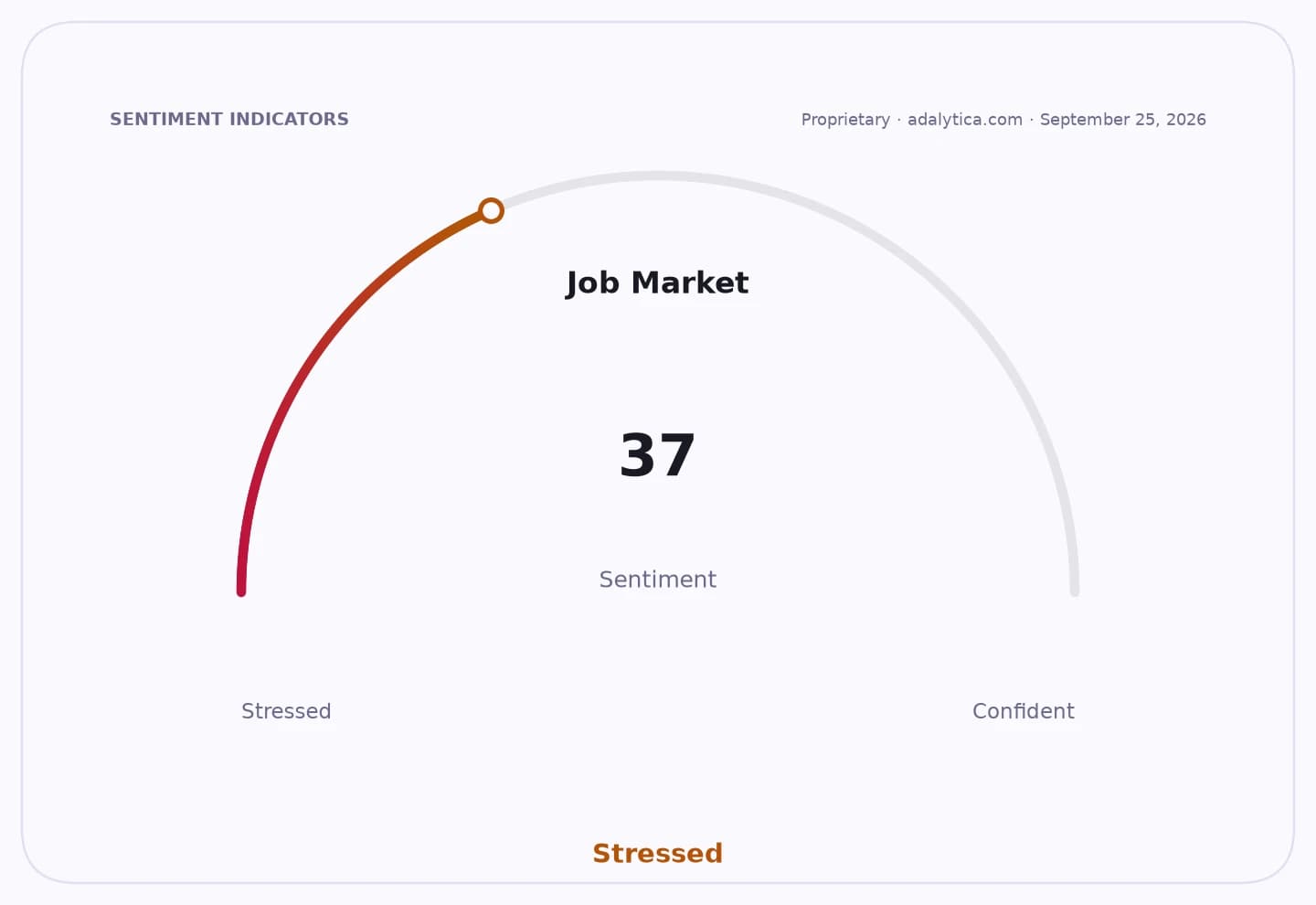
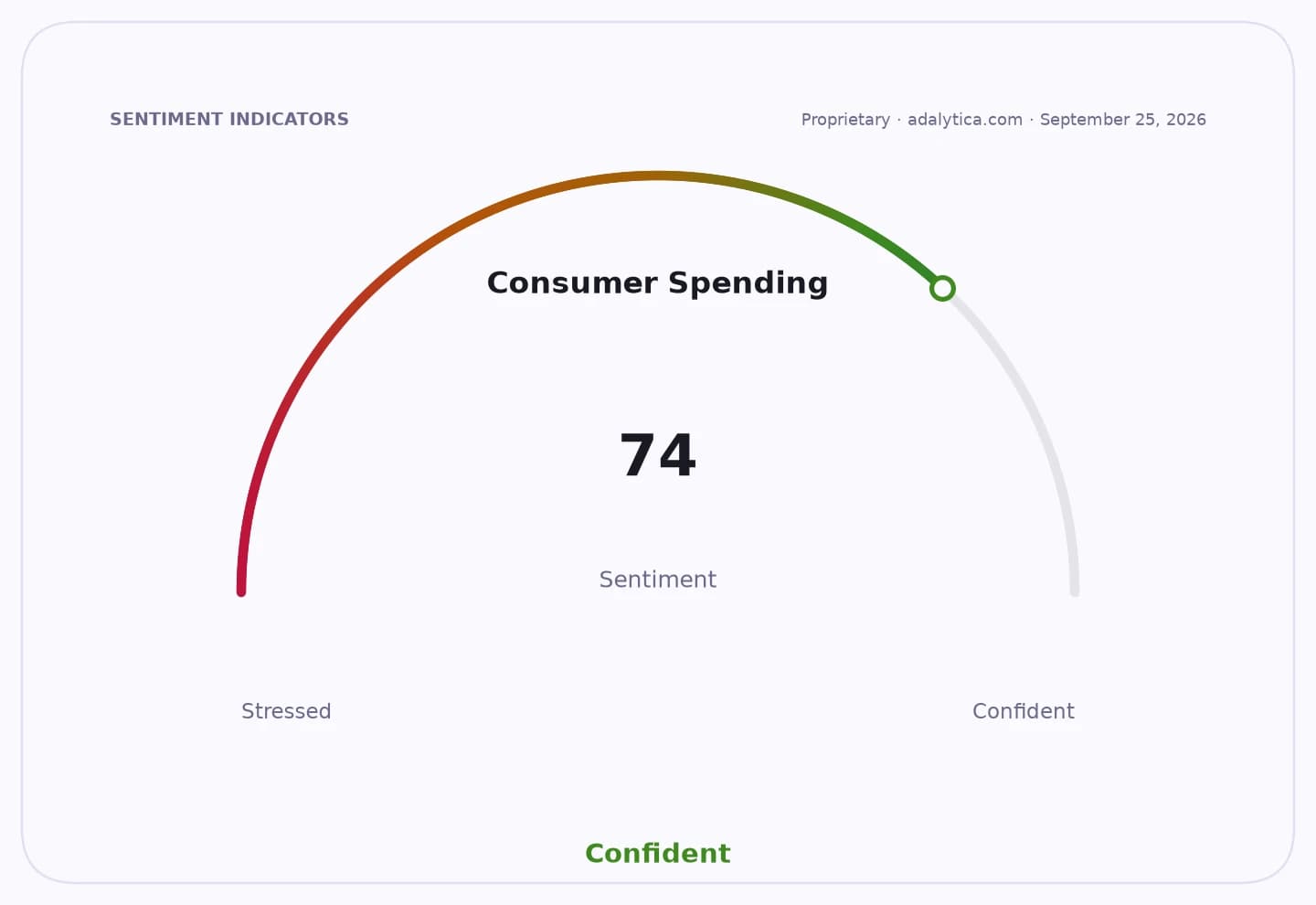
Adjusting Ireland’s income tax bands and credits for inflation would cost the exchequer more than €1bn next year, a reminder that years of elevated prices are now feeding directly into budget politics and the size of the tax wedge facing workers.
Ireland Tax Indexation Could Cost Over €1bn

The sum matters because it is not a one-off accounting detail. It is the price of keeping the tax system from becoming more punitive as nominal wages rise, and it lands at a moment when inflation is still running well above the pre-pandemic norm. Even after the latest moderation, U.S. consumer prices have climbed to a level that would have been unimaginable before 2022, and Irish policymakers face the same basic arithmetic: if bands are left frozen, more pay gets dragged into higher tax brackets without any real increase in living standards.
Sentiment IndicatorsⓘProprietary · adalytica.com · July 23, 2026
This is a snapshot — live sentiment, awareness and momentum for 130+ markets update continuously in the dashboard.Open AlphaPulse
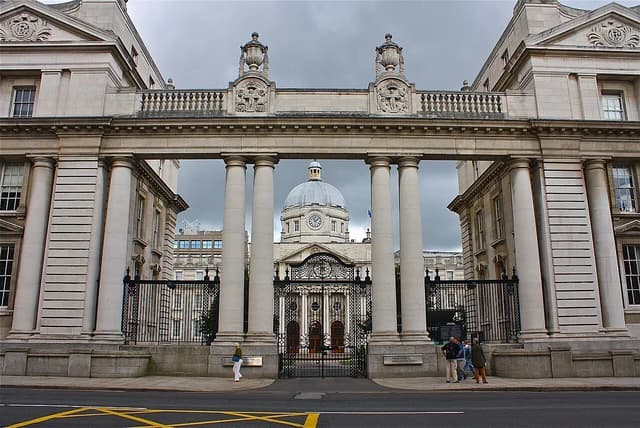
That makes the decision one of the most economically significant choices in the upcoming budget. Indexing thresholds would cushion households from fiscal drag and support consumption, but it would also reduce the government’s revenue flexibility at a time when public spending demands are already heavy. For a small open economy that still relies on strong tax receipts to fund housing, health and infrastructure, surrendering more than €1bn is not trivial. It is the difference between giving workers breathing room and preserving room for targeted spending or tax cuts elsewhere.
Investors should care because this is exactly the kind of policy that can change the outlook for domestic demand, margins and bond issuance. If the government chooses full inflation adjustment, consumers keep more of each pay packet and local retailers, banks and consumer-facing businesses get a modest demand boost. If it does not, households absorb a quiet tax increase, which weighs on discretionary spending even if headline wages look healthy. Either way, the debate reinforces a broader global pattern: inflation is no longer just a central bank problem, it is a fiscal one.
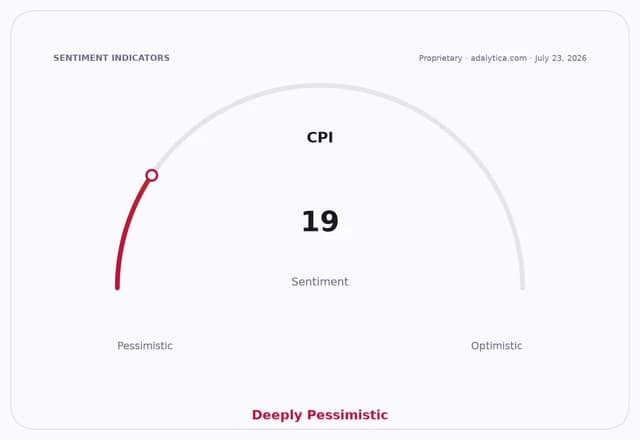
The market implications are especially relevant in Ireland, where policy choices can shape sentiment toward the country’s sovereign finances and the domestic equity story. A government that allows bracket creep to continue strengthens near-term revenue but risks political backlash and softer private-sector demand. A government that compensates for inflation may be seen as more household-friendly, but at the cost of weaker budget headroom just as rates remain elevated and borrowing costs are still a live issue.
That is why this story is bigger than a tax technicality. It is about who captures the gains from nominal wage growth — the state or the taxpayer — and how much fiscal space Ireland is willing to give up to stop inflation from becoming an invisible levy on workers. The next budget will tell investors whether Dublin wants to preserve revenue discipline or lean into relief for households.
| Entity | Gains | Losses |
|---|---|---|
| Irish households | ▲Higher take-home pay | ▼Fiscal drag if bands stay frozen |
| Irish government | ▲More revenue headroom | ▼Less cash if bands are indexed |
| Domestic retailers and consumer firms | ▲Stronger spending if relief is granted | ▼Softer demand if taxes bite |
| Bondholders/taxpayers | ▲Clearer budget policy | ▼Greater deficit risk if giveaways expand |