Iron ore prices are trying to recover from a recent two-week low, but the bigger investment story is that this market is still being pulled between steady supply and shaky steel demand, especially in China.
Iron Ore Stabilizes as Steel Demand Stays Weak
That matters because iron ore is the key ingredient in blast-furnace steelmaking, and steel sits at the center of global construction, manufacturing and infrastructure spending. When iron ore firms up, miners get relief, steelmakers face a cost headwind, and investors get a read on whether the industrial cycle is healing or merely pausing.
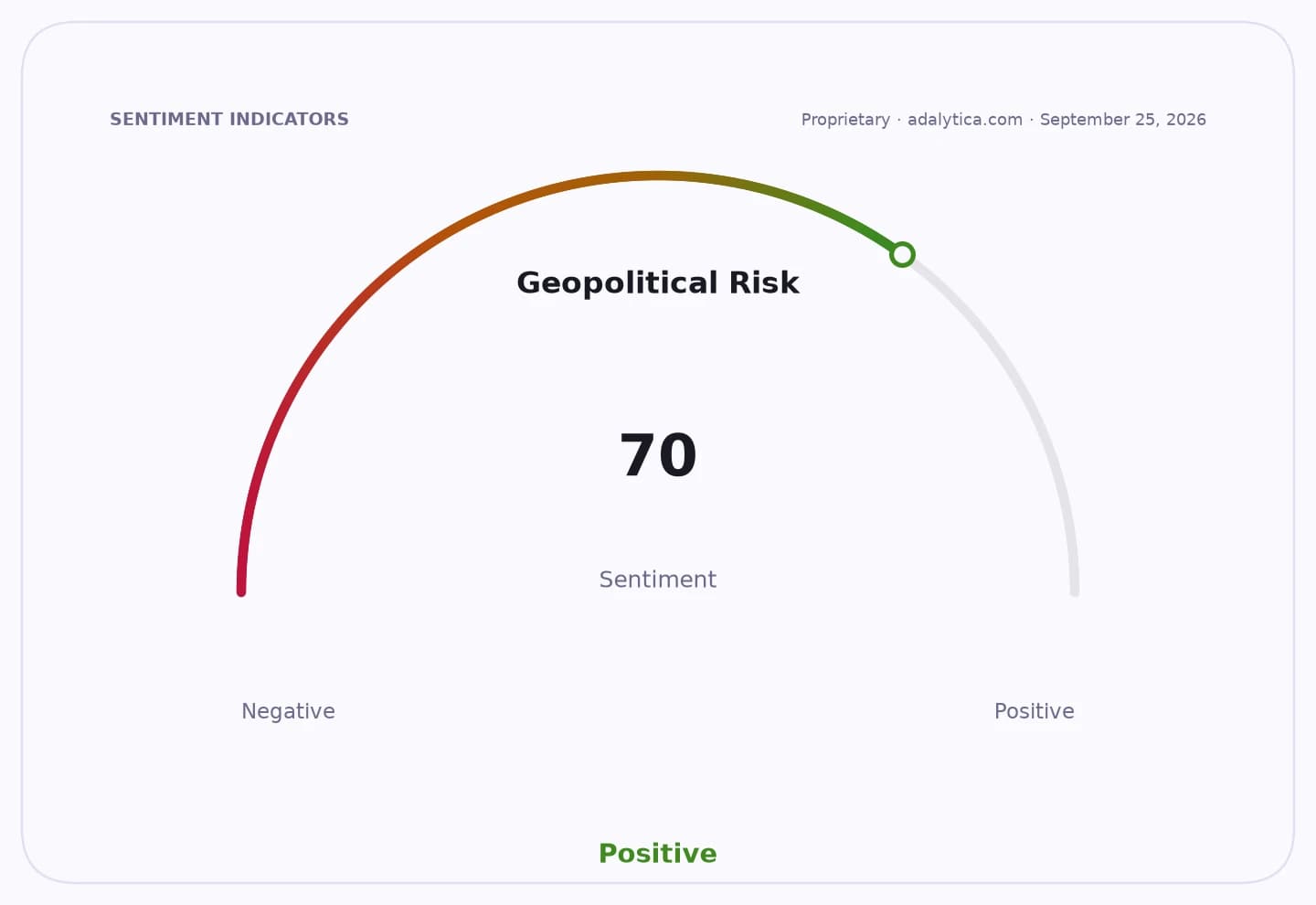
Sentiment IndicatorsⓘProprietary · adalytica.com · July 27, 2026
This is a snapshot — live sentiment, awareness and momentum for 130+ markets update continuously in the dashboard.Open AlphaPulse
The latest data suggest a market that is not breaking out, but stabilizing. The broad iron and steel producer price index is forecast to rise to 295.8 in July from 286.8 in June, extending a move that has already pushed the index up from 256.9 in April. That kind of bounce tells you commodity inflation is still alive even as end-demand remains uneven.
For investors, that is a two-sided setup. Mining names such as Rio Tinto and Vale have benefited from the rebound, but their shares have also shown how quickly enthusiasm can fade. Rio Tinto slipped to about $91.22 on Friday from a recent high above $112 in May, while Vale has pulled back from more than $17 earlier this year to around $14.79. The recent fade in both stocks suggests traders are still skeptical that the rally in raw materials can last without a stronger pickup in steel consumption.
The technical picture reinforces that caution. Rio Tinto has dropped below its 50-day moving average, and its RSI has slipped back into the mid-40s, a sign momentum is cooling. Vale is also trading near its 50-day line after a sharp first-quarter run. These are conventional technical indicators, but they match the broader message: the market is waiting for proof, not hoping alone.
Cement prices are a separate but related signal. The producer price index for all commodities forecast for July points to another modest rise, and that matters for cement makers, contractors and infrastructure-heavy businesses because it suggests input-cost pressure has not disappeared. Even if demand is improving in pockets, higher industrial prices can squeeze margins for builders before they show up as better revenue.
The long-term question is whether the current move reflects a durable bottom in global industrial demand or just a temporary restocking cycle. China still dominates the answer, and the latest commentary points to lingering weakness in steel demand there even as imports and production hold steady. That is why the market is watching buyers reassess Australian supply and why new high-grade ore blocks in places like Kryvyi Rih matter at the margin: supply can shift quickly, but demand usually sets the price trend.
For patient investors, the message is simple. Commodity rebounds can be explosive, but they are rarely straight lines. Miners can still work as cyclical holdings in diversified portfolios, yet the real winners over three to 10 years are usually businesses with durable cash flow, low costs and the discipline to survive the down cycle. For now, iron ore and cement are worth watching, not chasing.
| Entity | Gains | Losses |
|---|---|---|
| Iron ore miners | ▲Short-term price relief | ▼Buyers facing higher input costs |
| Steelmakers | ▲Steady raw material access | ▼Margin pressure if demand weakens |
| Rio Tinto and Vale shareholders | ▲Rebound potential | ▼Momentum if prices fade |
| Contractors and cement users | ▲None | ▼Rising construction costs |