Higher US inflation is threatening to spill into Israel through a stronger dollar, firmer global yields and renewed pressure on the shekel, potentially forcing the Bank of Israel to delay rate cuts even if domestic price gains stay muted.
Israel shekel weakens as US inflation lifts yields

That matters because Israel has been counting on a relatively benign inflation backdrop at home to create room for monetary easing. But if the Federal Reserve keeps rates elevated for longer, the gap in returns between US and Israeli assets can widen in favor of dollar holdings, weakening the shekel and lifting the local price of imported goods, fuel and equipment.
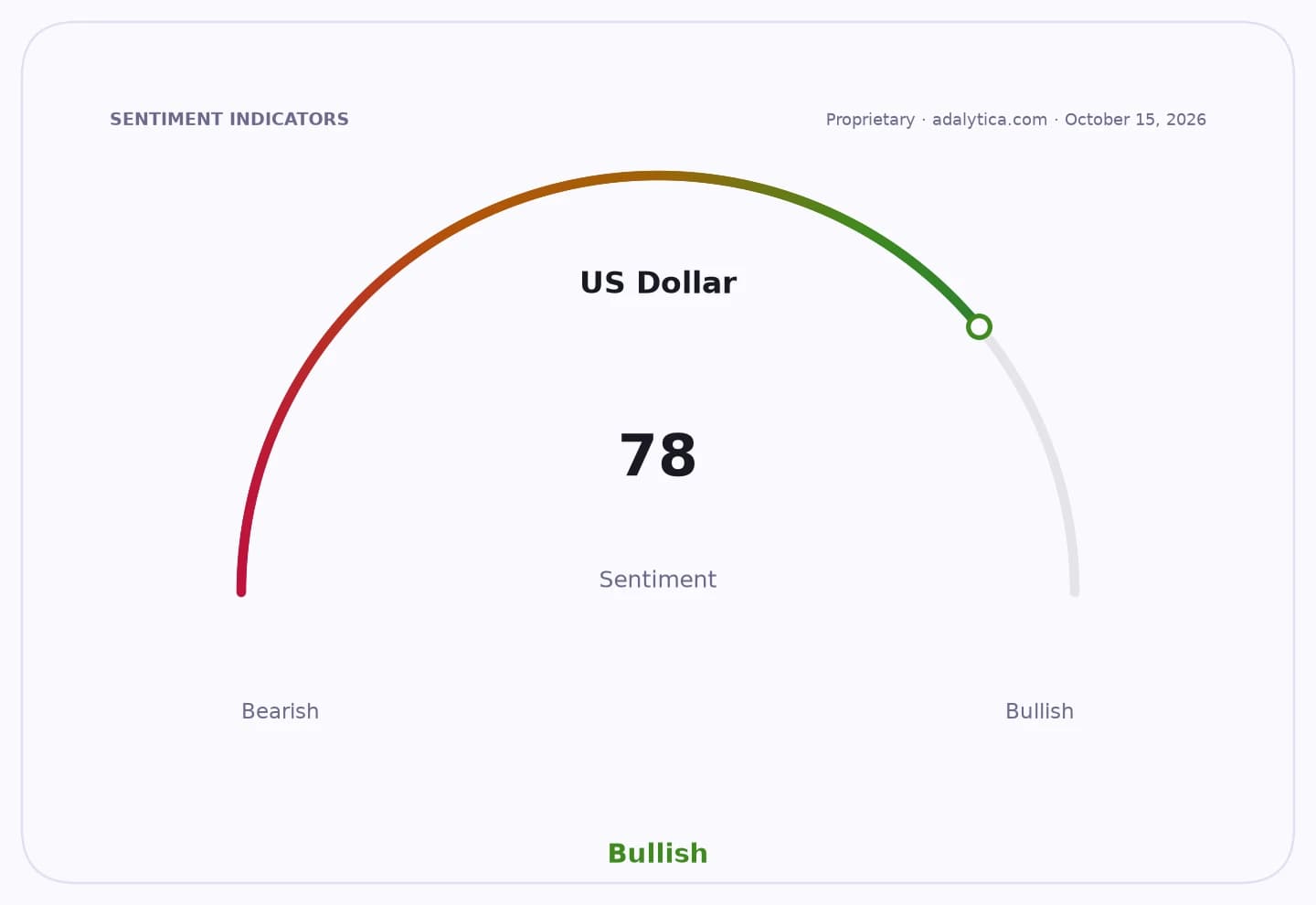
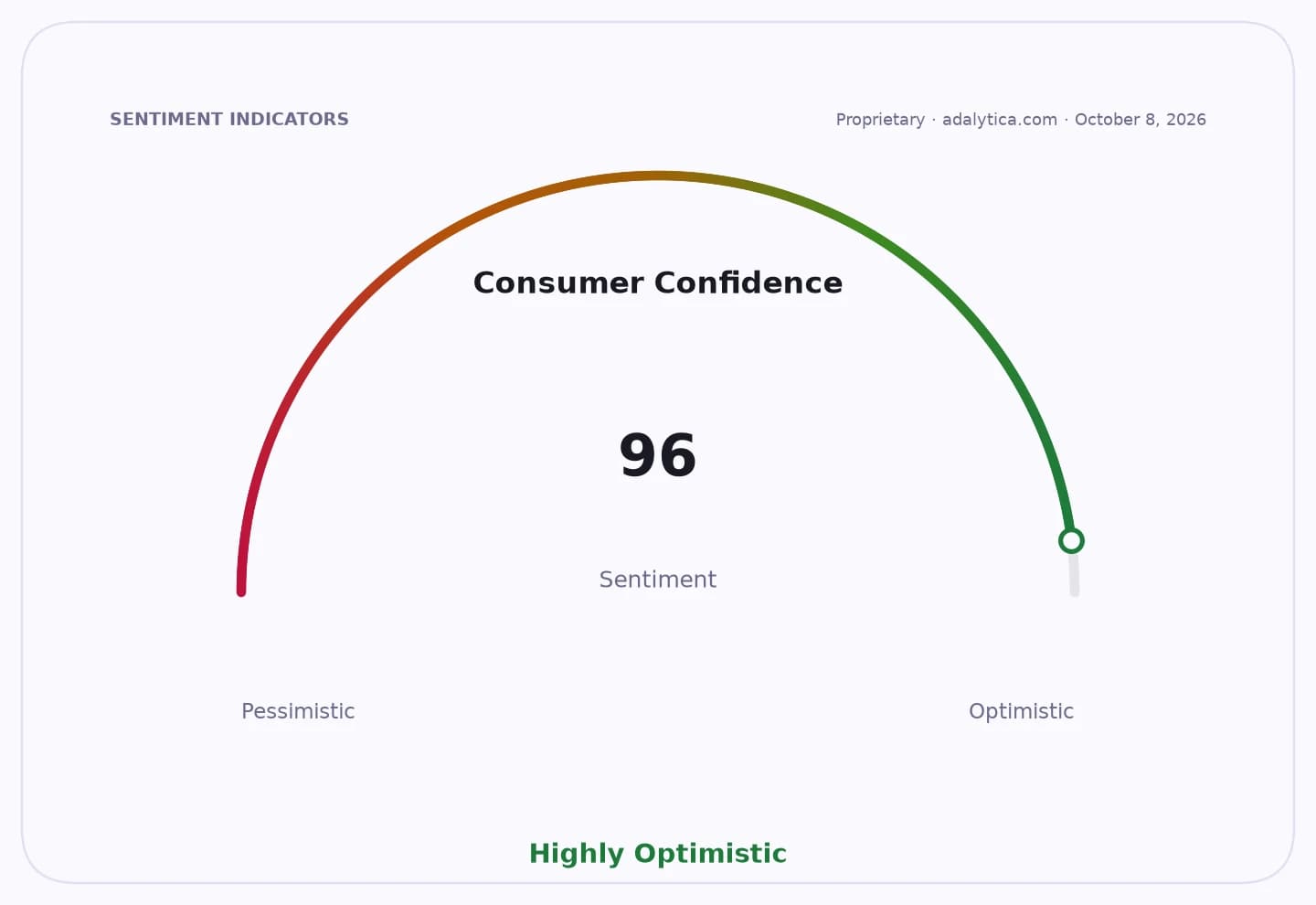
Sentiment IndicatorsⓘProprietary · adalytica.com · October 16, 2026
This is a snapshot — live sentiment, awareness and momentum for 130+ markets update continuously in the dashboard.Open AlphaPulse
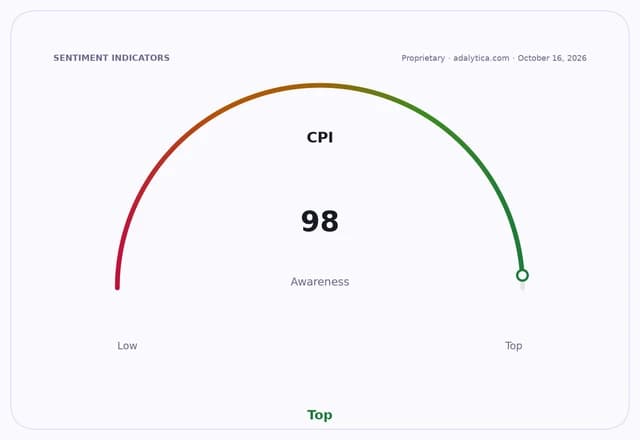
US consumer prices rose 0.6% in September from 0.4% the prior month, while annual inflation accelerated to 3.7%, above economists’ forecast of 3.6%. Core inflation, which strips out food and energy, rose 0.3% on the month and 2.6% year on year, also topping expectations. The reaction was immediate: the dollar strengthened and US Treasury yields moved higher as markets priced a more stubborn Federal Reserve.
For Israel, the transmission channel is straightforward and economically important. A weaker shekel raises the local currency cost of goods priced in dollars, from energy and raw materials to imported consumer products and industrial inputs. That can feed through to retail prices and corporate margins even if Israel’s own inflation rate remains within the Bank of Israel’s 1% to 3% target band.
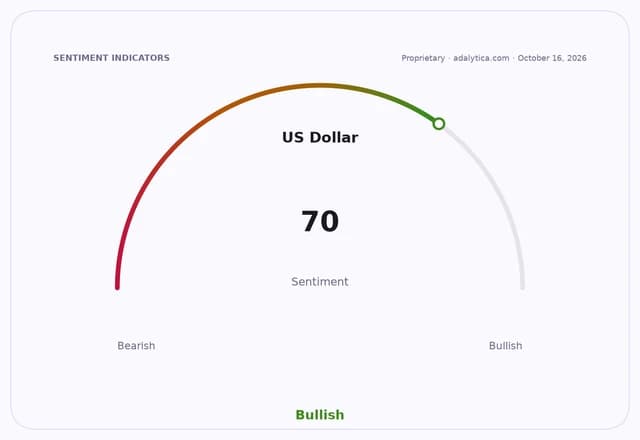
The stakes are sharpened by the policy divergence now taking shape. Israeli inflation for October is expected at about 1.8%, helped by seasonal airfare declines and lower fuel excise taxes, which would ordinarily preserve room for rate cuts. But if the Fed continues tightening while the Bank of Israel eases, the yield gap could encourage capital to flow toward the US, putting additional downward pressure on the shekel.
Market pricing already reflects that risk. The shekel has recently lost some of its earlier strength against the dollar, with USD/ILS trading around 3.11 after touching 3.07 on Oct. 14, according to the data provided. The 50-day moving average is around 3.02 and the 200-day average near 3.03, showing the currency pair has moved back above its longer-term averages. In US rates, the 10-year Treasury yield is around 5.17% in the forecast series, while the fed funds rate is seen near 3.73%, underscoring how restrictive US policy may remain.
That backdrop helps explain why investors are pulling back expectations for near-term easing in Israel. For households, the risk is a fresh imported inflation impulse through food, fuel and consumer durables. For companies, especially those reliant on foreign inputs, a softer shekel raises costs and complicates pricing decisions. For the central bank, it narrows the room to support growth without worsening currency pressure.
The bullish case for Israel is that US inflation could cool as base effects work through the data, allowing the Fed to stop short of another aggressive tightening cycle. In that scenario, the dollar rally could fade and the shekel could stabilize, restoring some policy flexibility in Tel Aviv. The bearish case is that energy-driven inflation in the US proves sticky and long-term yields keep climbing, forcing the Bank of Israel to hold rates higher for longer than it would otherwise like.
For investors, the key implication is that Israeli assets are increasingly being priced off the Federal Reserve’s path, not just domestic inflation. If US policy stays tighter for longer, the cost of borrowing in Israel, the currency outlook and imported price pressures could all move in the same unfavorable direction.
| Entity | Gains | Losses |
|---|---|---|
| US dollar | ▲Higher yield appeal | ▼Israeli importers |
| US Treasuries | ▲Safe-haven demand | ▼Shekel bulls |
| Bank of Israel | ▲More time to wait | ▼Borrowers and consumers |
| Israeli exporters | ▲Weaker shekel support | ▼Retailers reliant on imports |