Istanbul’s property market is showing signs of a broader shift in investor behavior, with commercial real estate sentiment running hot even as the U.S. dollar weakens and listed real estate exposure extends its rebound. That matters because a rising appetite for property can support transaction volumes and valuations, but it can also mask strain in the rental market if owners decide selling is more attractive than holding for income.
Istanbul Property Sentiment Turns Bullish But Risks Rise
For Istanbul’s sales executive office directorate, the key economic question is whether tighter rental economics are beginning to push more landlords toward the sell side, echoing the kind of supply surge seen in other regulated housing markets. If that happens, transaction activity rises, but rent growth, occupancy and pricing power can deteriorate, reshaping cash flows for owners, developers and brokers.
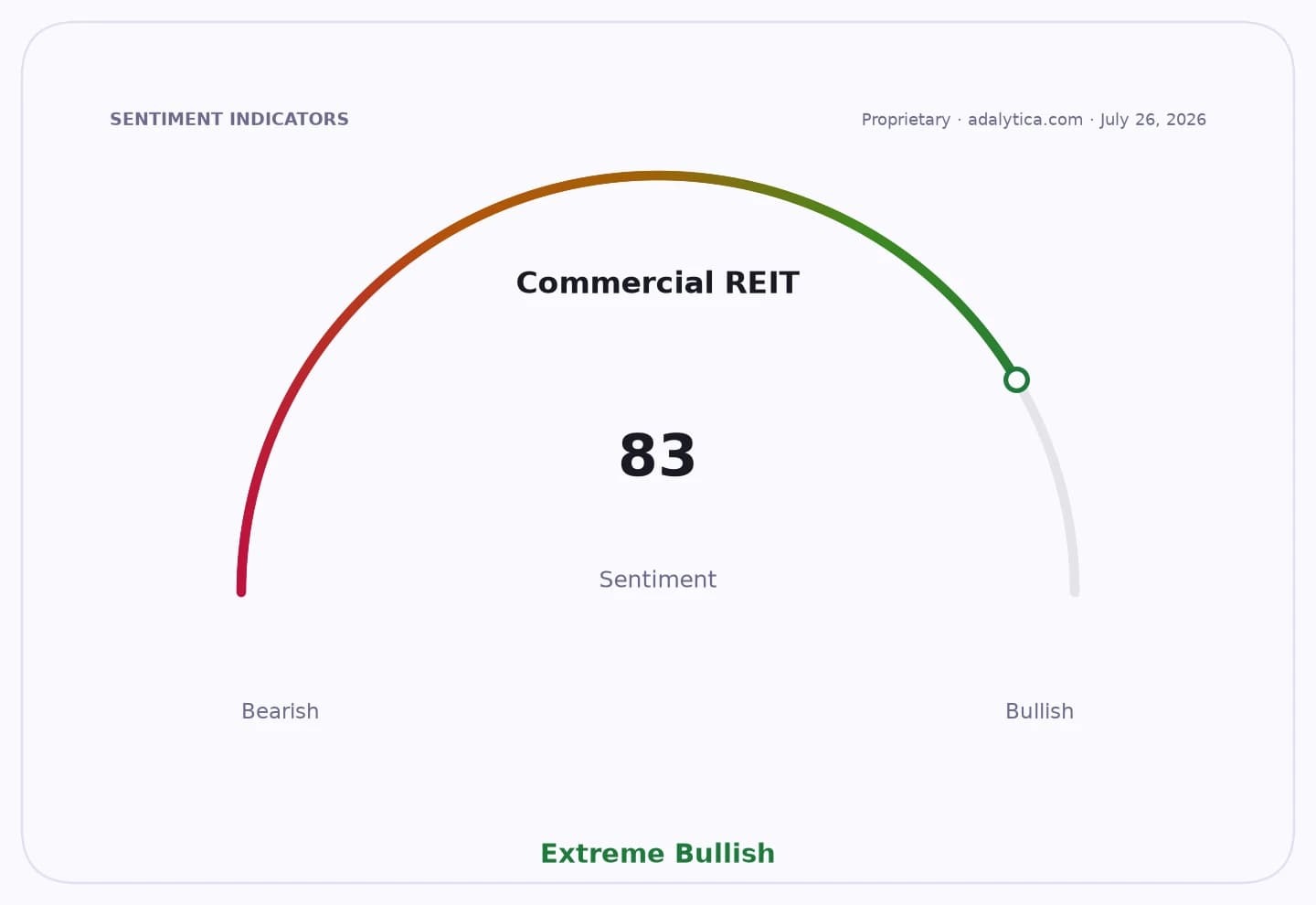
Sentiment IndicatorsⓘProprietary · adalytica.com · July 26, 2026
This is a snapshot — live sentiment, awareness and momentum for 130+ markets update continuously in the dashboard.Open AlphaPulse
The backdrop is supportive for real estate risk-taking. VNQ, the U.S. real estate ETF, rose to 100.81 on July 24, its highest reading in the data set, and is trading above both its 50-day and 200-day moving averages, while Adalytica’s Commercial REIT Sentiment gauge sits at 83, labeled “Greed,” with awareness at 87, or “Extreme Greed.” That combination points to strong investor willingness to own property assets, even after a volatile year in rates-sensitive sectors.
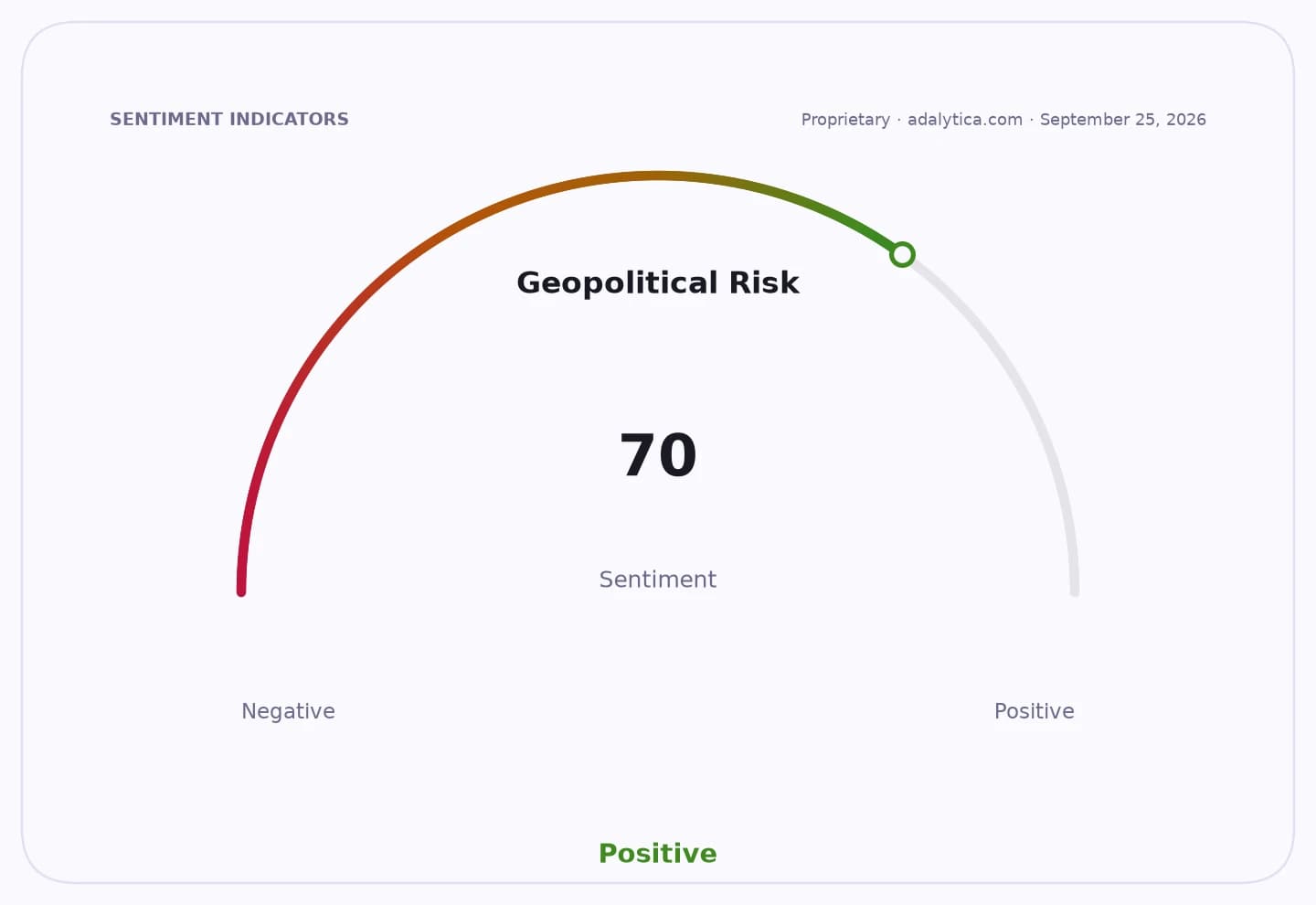
At the same time, the dollar signal has collapsed to 9, or “Extreme Fear,” a backdrop that can support global risk assets and make hard assets like property more attractive to some capital flows. For Turkish real estate, that is a relevant input: a softer dollar can ease financing pressure at the margin and improve cross-border appetite for assets priced in local currency or linked to tourism and foreign demand.
Yet the market is not offering a clean one-way trade. Some Istanbul property owners may be tempted to crystallize gains or exit rental exposure if policy or operating conditions compress returns, which would increase available supply and pressure longer-term landlords. That would be good for buyers looking for inventory, but it would hurt sellers dependent on rental income and could weigh on values if listings outpace demand.
Investors will be watching whether the current bid in real estate translates into actual transactions or simply higher asking prices. The next catalyst is whether sales data and rental conditions confirm a rotation toward disposals, or whether strong sentiment keeps capital flowing into the sector despite weaker income dynamics.
| Entity | Gains | Losses |
|---|---|---|
| Buyers / investors | ▲More inventory, better entry points | ▼Less pricing leverage |
| Sellers / landlords | ▲Faster exits, potential capital gains | ▼Lower rent income, weaker bargaining power |
| Istanbul brokers / sales offices | ▲Higher transaction volume | ▼More volatile commissions |
| Long-only REIT holders | ▲Sentiment tailwind, asset support | ▼Higher risk if supply rises |