Italy’s 2027 budget will lower the personal income tax burden for middle-income households by extending the 33% Irpef bracket to incomes of 55,000 euros, a move the government says will save some families as much as 500 euros a year.
Italy 2027 budget extends 33% Irpef bracket
The measure is the clearest tax relief in the coalition’s latest fiscal package and is aimed squarely at the country’s squeezed middle class, a politically sensitive bloc that Prime Minister Giorgia Meloni has repeatedly tried to shield from inflation and sluggish growth. Meloni said the extension from 50,000 euros to 55,000 euros will cost the state about 1.2 billion euros, while a move to 60,000 euros would have raised the bill to 2.7 billion euros.
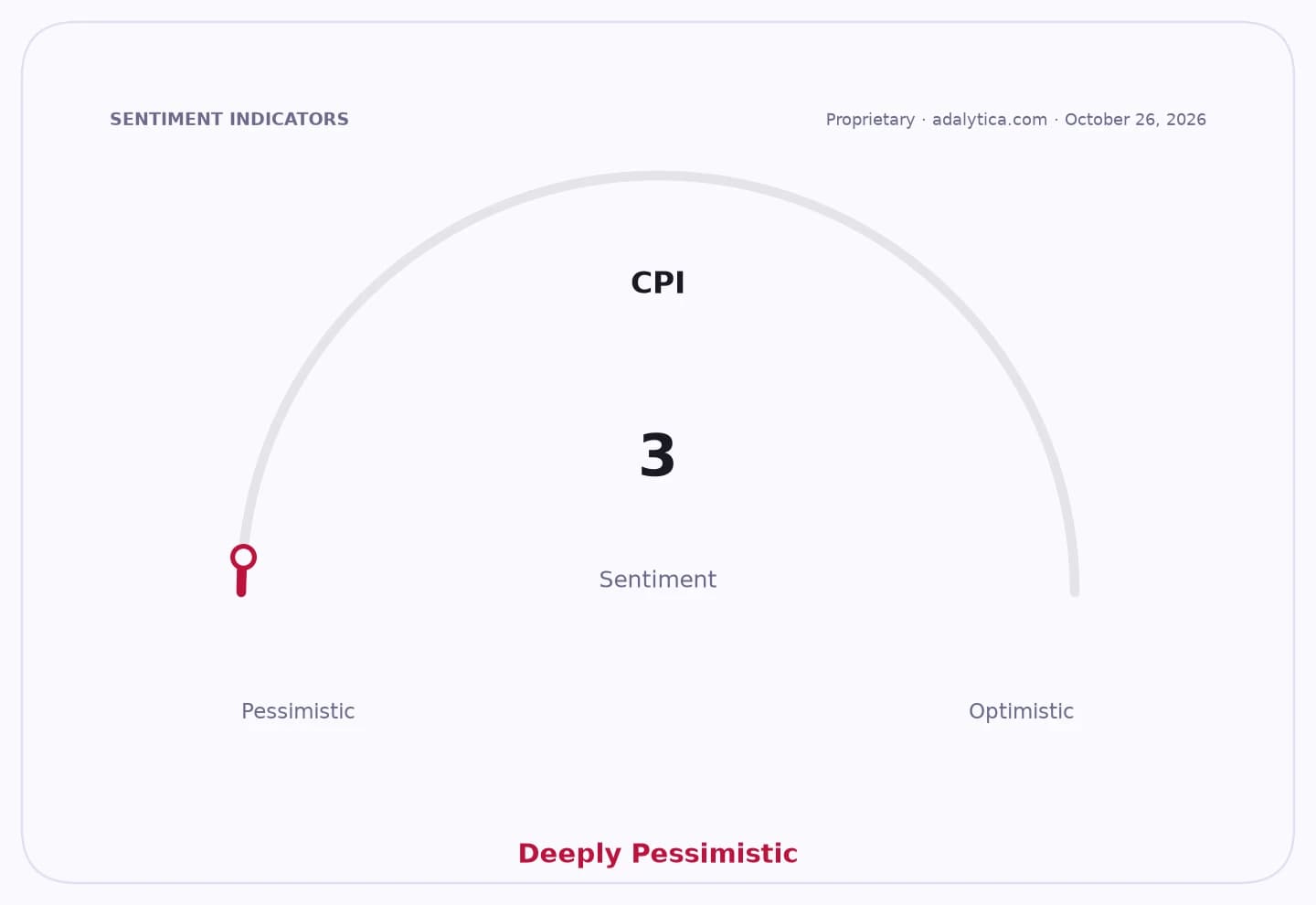
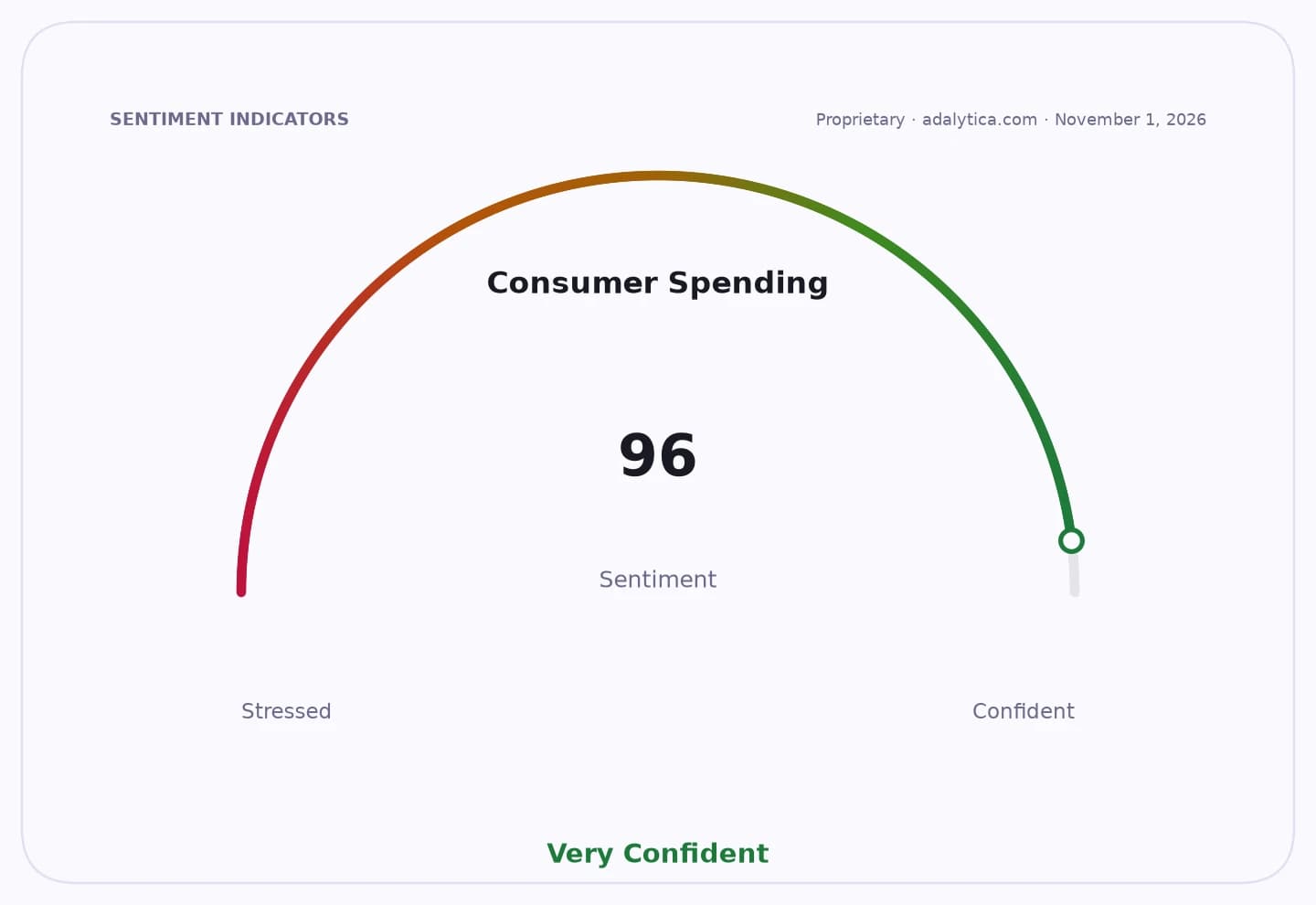
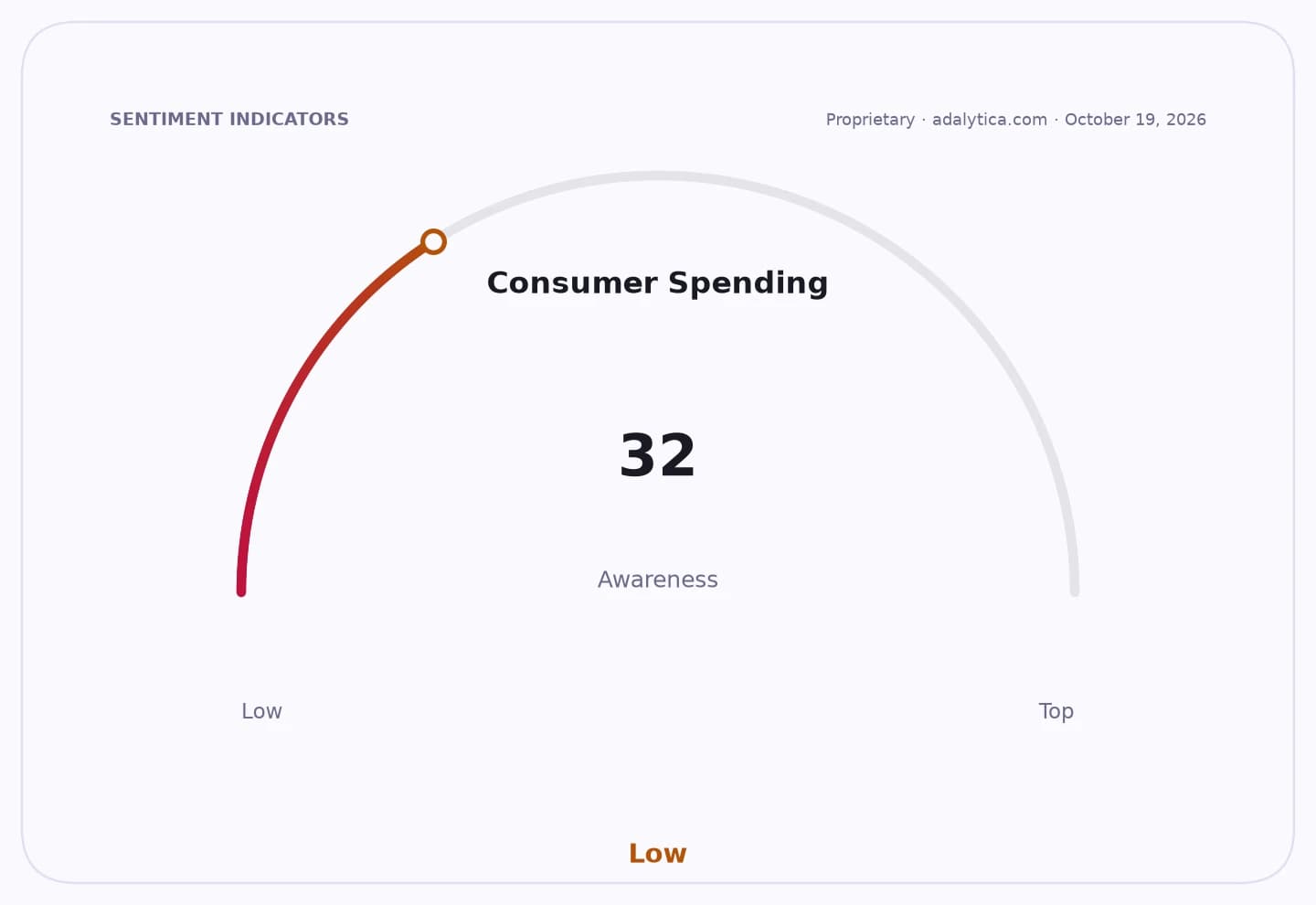
Sentiment Indicators
For investors, the change matters because it supports disposable income without a broad-based fiscal giveaway. That should help consumer spending at the margin, especially for households near the top of the tax band, while also limiting the hit to public finances compared with a larger cut. The government said it has already given up around 21 billion euros through earlier Irpef changes, underscoring how carefully it is balancing tax relief with budget constraints.
The benefit is concentrated. About 600,000 taxpayers earn between 50,000 and 55,000 euros a year and will see the maximum gain from the lower rate. The broader reach is larger, however: roughly 3.3 million people could be touched by the change once higher earners who sit above the threshold are included in the new calculation.
The savings rise step by step with income. A worker on 51,000 euros would save about 100 euros a year, while someone on 52,000 euros would save roughly 200 euros, up to the 500-euro ceiling at 55,000 euros. Meloni said a taxpayer on 55,000 euros now pays 15,350 euros in annual Irpef, down from 16,550 euros when her government took office, implying a net yearly benefit of 1,200 euros after earlier changes and before productivity-premium exemptions.
The budget also widens Italy’s flat-tax regime for the self-employed to 100,000 euros, sharpening the political divide between salaried workers and partite Iva. That contrast has already drawn criticism from the CGIL labor union, which said a self-employed professional on 100,000 euros would pay far less tax than an employee earning 51,000 euros, intensifying debate over fairness and the distribution of relief.
Consumer-facing stocks are the clearest potential beneficiaries if households spend part of the windfall, with discretionary retailers and mass-market chains best placed to capture the incremental income. But the policy also reinforces Italy’s broader fiscal trade-off: modest stimulus for households now, with the state forgoing revenue in an economy still constrained by low growth and persistent pressure to keep the deficit in check.
The key question for markets is whether the extra take-home pay feeds quickly into consumption or gets saved, and whether the government can keep expanding relief without reviving concerns over fiscal slippage in the next budget cycle.
| Entity | Gains | Losses |
|---|---|---|
| Middle-income Italian households | ▲Higher take-home pay | ▼Smaller tax relief than hoped |
| Consumer retailers | ▲Potentially stronger spending | ▼Margin pressure if demand stays weak |
| Italian government | ▲Political support from taxpayers | ▼1.2 billion euro revenue loss |
| Salaried workers vs. self-employed | ▲Some relief for employees | ▼Fairness gap vs. flat-tax beneficiaries |