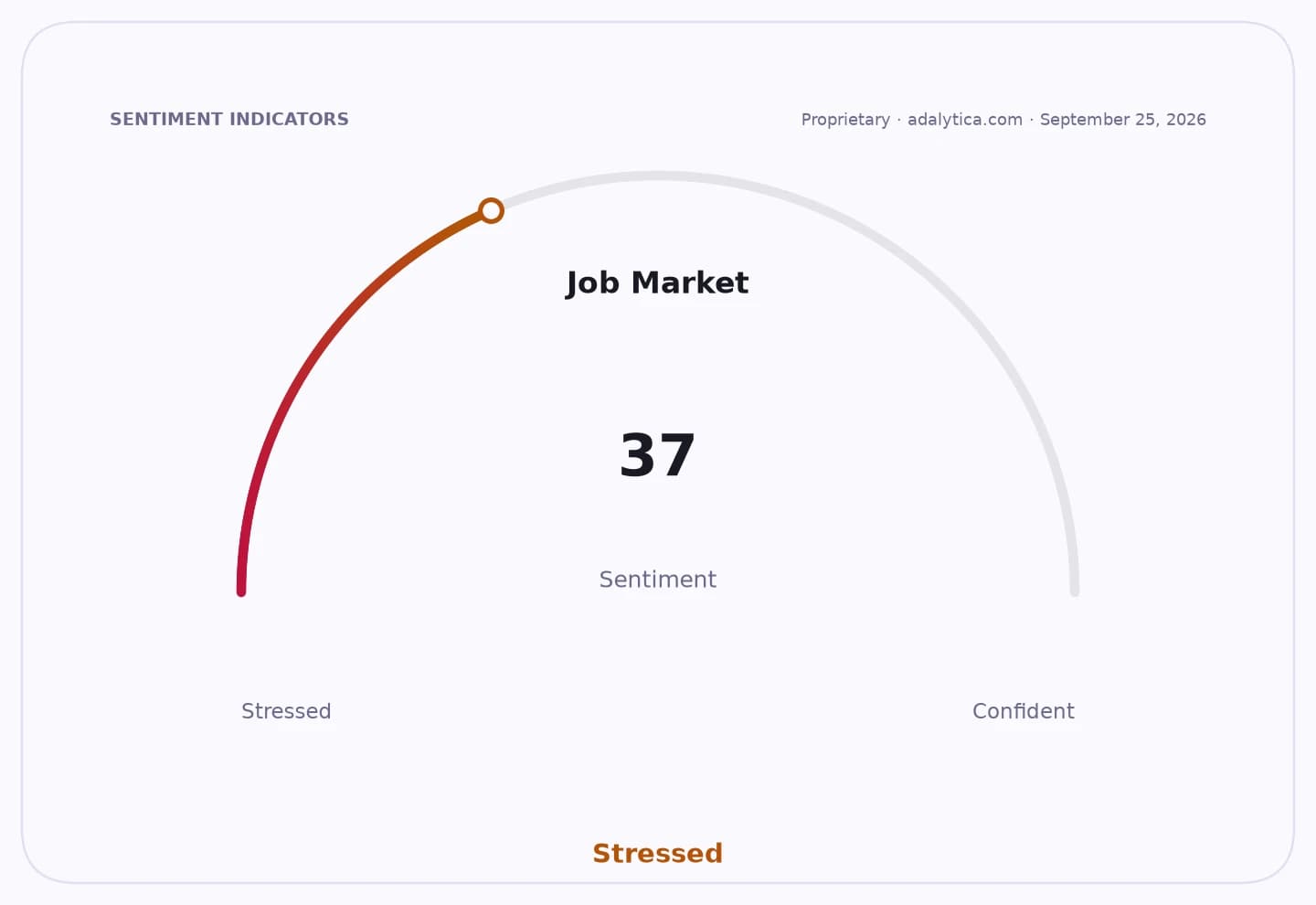
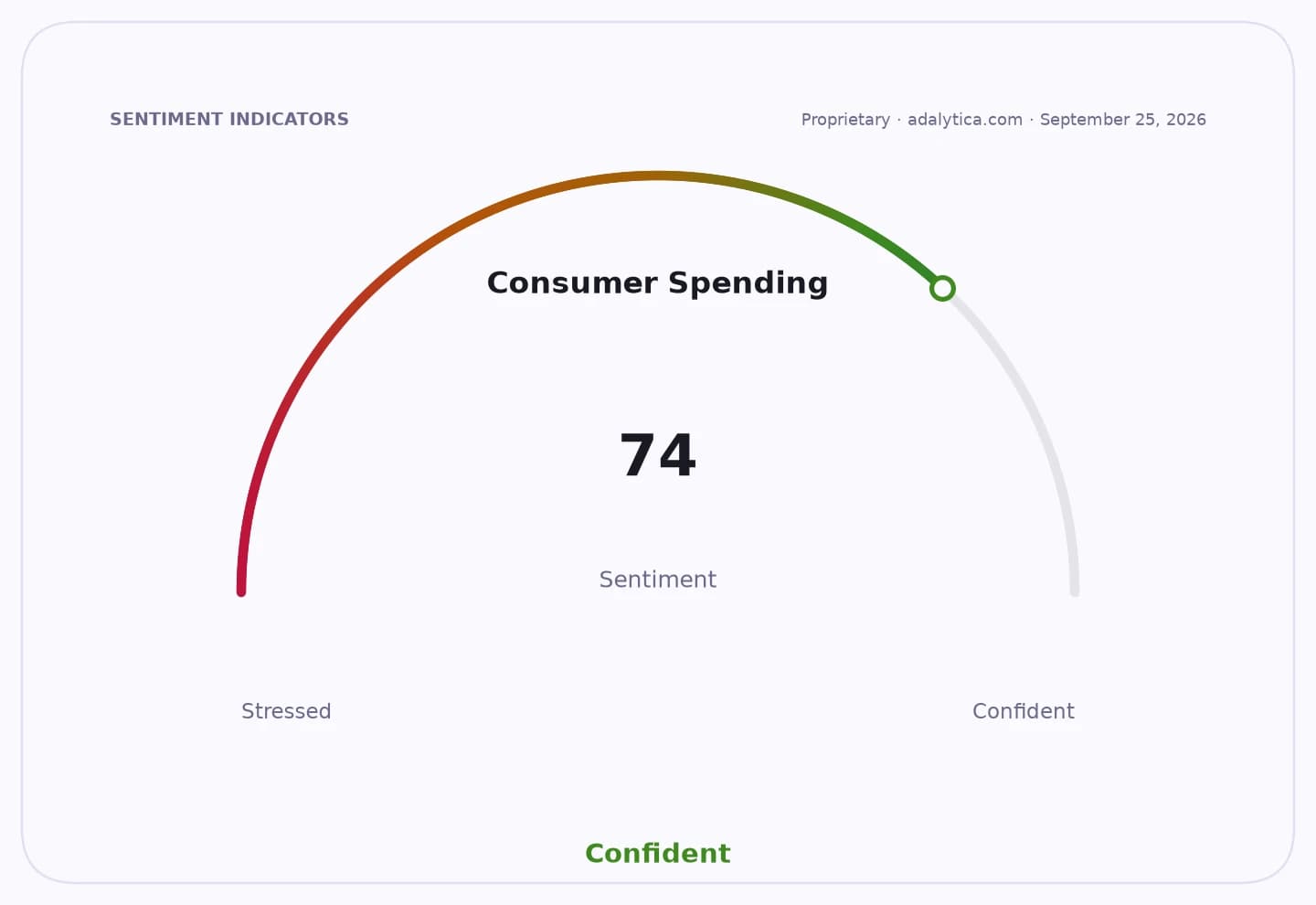
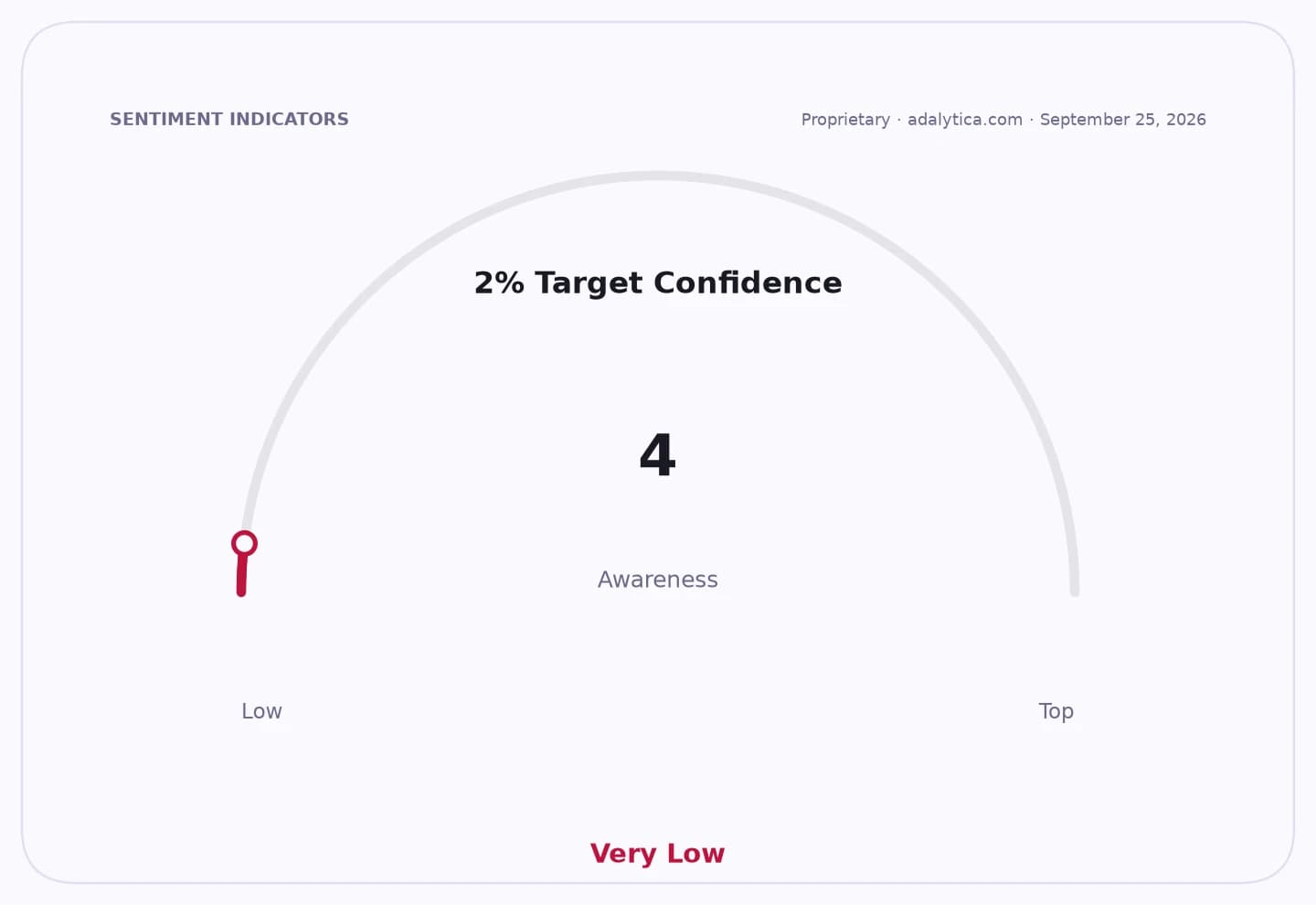
Italian households are feeling less pressure from inflation, but not enough to call the cost-of-living fight over, with consumer concerns still centered on bills, healthcare and the summer heat as prices moderate and policymakers weigh whether the European Central Bank can pause its tightening cycle.
Italy Inflation Eases to 2.8% in July
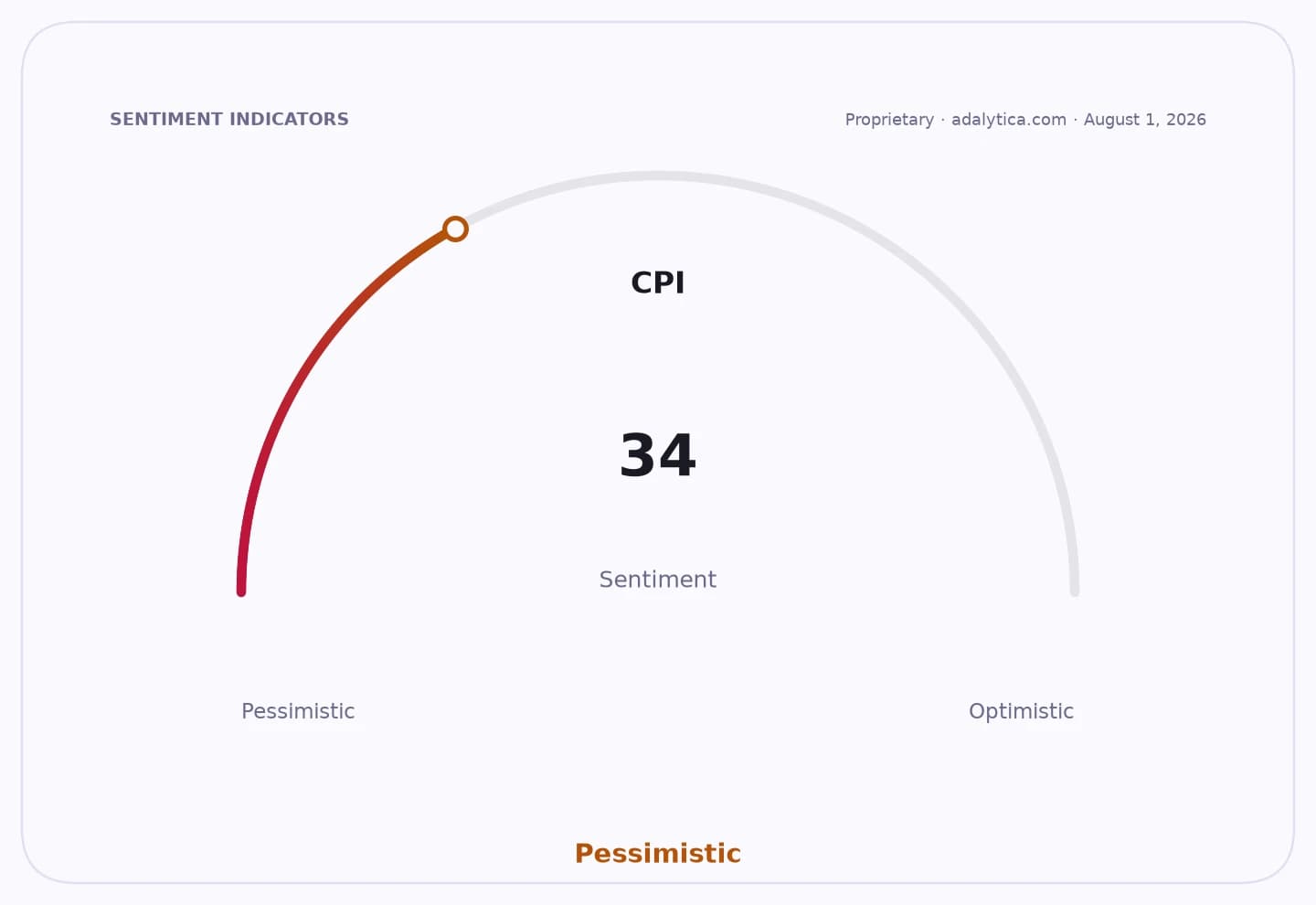
The most important development is not just that inflation eased to 2.8% in July, but that the slowdown is offering limited relief to families whose budgets have been squeezed by years of higher energy, food and services costs. The data suggest the worst of the price shock may be behind Italy, yet it also shows how quickly soft headline inflation can coexist with persistent anxiety over essential expenses, especially when household spending is concentrated on non-discretionary items.
Sentiment IndicatorsⓘProprietary · adalytica.com · August 1, 2026
This is a snapshot — live sentiment, awareness and momentum for 130+ markets update continuously in the dashboard.Open AlphaPulse
That matters economically because Italy remains one of the euro zone’s more fragile large economies: consumer confidence and real purchasing power are key to growth, and any improvement in inflation only helps if it translates into more spending. A cooler inflation reading also eases pressure on the ECB, which has been fighting to bring price growth back toward target without tipping the region into recession. For Italy, a lower rate of price growth can help support disposable income, but it does not automatically repair demand if wages, rents and utility bills still feel elevated for lower- and middle-income households.
For investors, the immediate implication is that the inflation backdrop is becoming less hostile for domestic demand and for rate-sensitive assets, while reducing the odds of aggressive policy tightening. That is constructive for Italian equities with exposure to local consumption and for borrowers that benefit from a more stable rates environment. It is also supportive for banks such as UniCredit, which has already reported record first-half profits above 6 billion euros, showing that the sector can remain profitable even as inflation cools. At the same time, easing inflation tends to underpin luxury names such as Ferrari, whose pricing power and wealthy customer base give it more insulation from household strain.
But the narrative is more uneven beneath the surface. The survey cited in the seed headline points to a public still focused on inflation, heat, healthcare and bills — a reminder that the average consumer experiences inflation through accumulated essentials, not through headline prints. That split helps explain why the political and market significance of the July figure is modest rather than decisive: inflation is slowing, but the pressure on Italian living standards remains visible, and that can cap the pace of any consumer-led recovery.
The next test is whether softer inflation feeds through into better real incomes and steadier spending before the ECB has to decide whether growth weakness deserves more weight than lingering price risks. If inflation continues to cool, Italy’s economy could get a small but important tailwind. If essentials stay sticky, the consumer gloom will matter more than the headline number suggests.
| Entity | Gains | Losses |
|---|---|---|
| Italian households | ▲Slight relief on prices | ▼Still squeezed by bills |
| ECB policymakers | ▲More room to pause hikes | ▼Less urgency to keep tightening |
| Italian banks and borrowers | ▲Easier rate backdrop | ▼Slower loan demand if growth weakens |
| Luxury exporters like Ferrari | ▲Pricing power holds up | ▼Domestic consumers remain weak |