Italy’s recovery of stolen works by Renoir, Matisse and Cézanne underscores how aggressively European authorities are moving against a surge in cultural-property crime that has rattled museums, insurers and private collectors.
Italy recovers Renoir, Matisse and Cézanne works
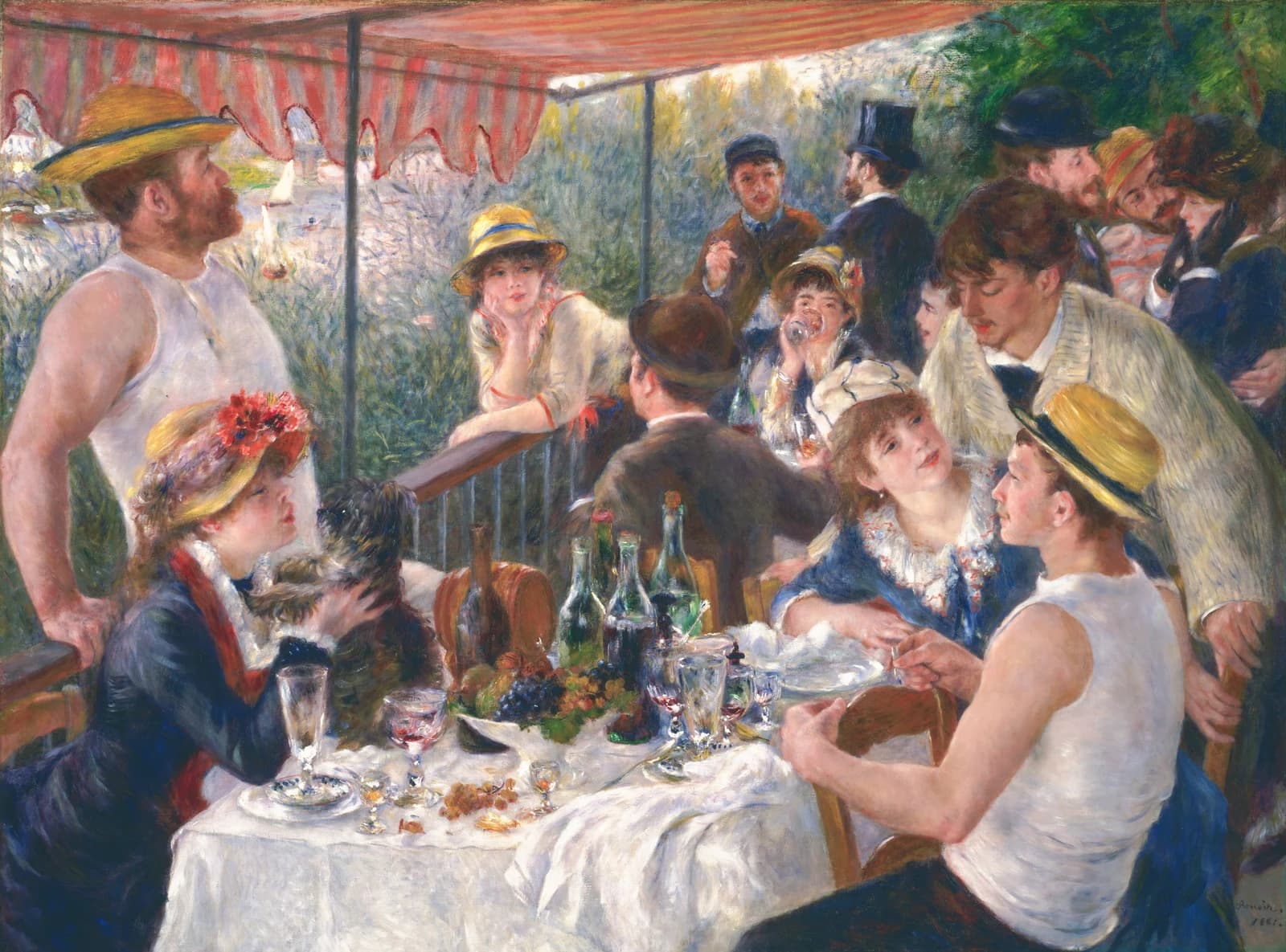
The seizure matters because masterpieces are not just symbolic assets; they are economically valuable, highly portable and often used by organized criminal networks as collateral, bargaining chips or easy-to-hide stores of value. When police recover works of this caliber, they disrupt a market where the upside for thieves can be enormous and the downside has historically been limited by weak cross-border enforcement.
Sentiment IndicatorsⓘProprietary · adalytica.com · August 16, 2026
This is a snapshot — live sentiment, awareness and momentum for 130+ markets update continuously in the dashboard.Open AlphaPulse
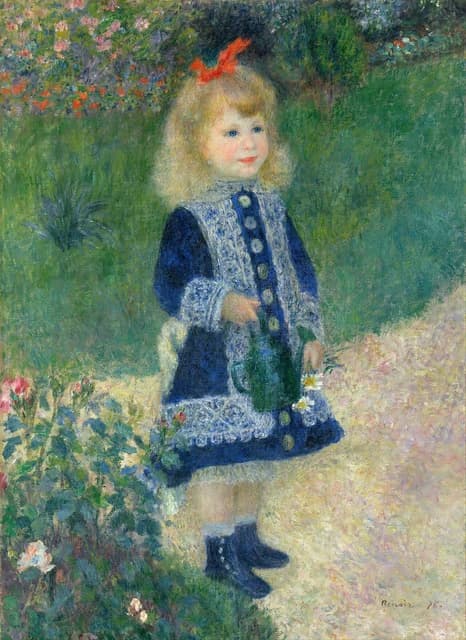
The latest case follows a broader pattern across Europe. In nearby Parma, five suspects were arrested after paintings by the same three modern masters were taken, while in Salzburg 210 golden Mozart figures were stolen, showing that targets range from blue-chip art to cultural memorabilia. The common thread is not just opportunistic theft but a persistent vulnerability in institutions that often hold assets worth tens of millions of euros with security budgets far smaller than the value at risk.
For investors, the immediate relevance sits less in the art market than in the industries exposed to it. Museums, galleries, logistics firms and specialty insurers face higher compliance, surveillance and claims costs when thefts become more frequent. Private collectors may also see higher premiums and tighter underwriting. For the broader European luxury and auction ecosystem, repeated high-profile thefts can dent confidence, complicate provenance checks and make legitimate transactions slower and more expensive.
The case also highlights the value of international coordination. Stolen art is easier to move than to monetize openly, so recoveries typically depend on rapid police work, intelligence sharing and border enforcement. That raises the probability that the current wave of thefts will produce tougher rules on museum security, inventory tracking and transport, with knock-on costs for institutions already under budget pressure.
For now, the recovery is a win for Italian authorities and the wider European cultural sector. But the pattern suggests the problem is not isolated. Until thieves face a consistently higher chance of arrest and recovery, major artworks will remain attractive targets, and the costs of protection will keep rising.
| Entity | Gains | Losses |
|---|---|---|
| Italian police | ▲Enforcement credibility | ▼None |
| Museums and collectors | ▲Asset recovery | ▼Higher security costs |
| Art insurers | ▲Tighter risk controls | ▼More claims pressure |
| Thieves and trafficking networks | ▲None | ▼Disrupted operations |