Japan’s proposed record defense budget for fiscal 2027 would deepen a multi-year military buildout that is increasingly becoming a macroeconomic and market story, not just a geopolitical one.
Japan defense budget 2027 lifts Mitsubishi Heavy, Kawasaki

The plan matters because it signals that Tokyo is prepared to lock in higher defense spending as a structural part of policy, even as it faces pressure to manage fiscal costs, support growth and respond to a deteriorating security environment. For investors, the message is that Japan’s defense industry is moving from episodic procurement to a steadier spending cycle, with implications for domestic contractors, parts suppliers and global defense partners.
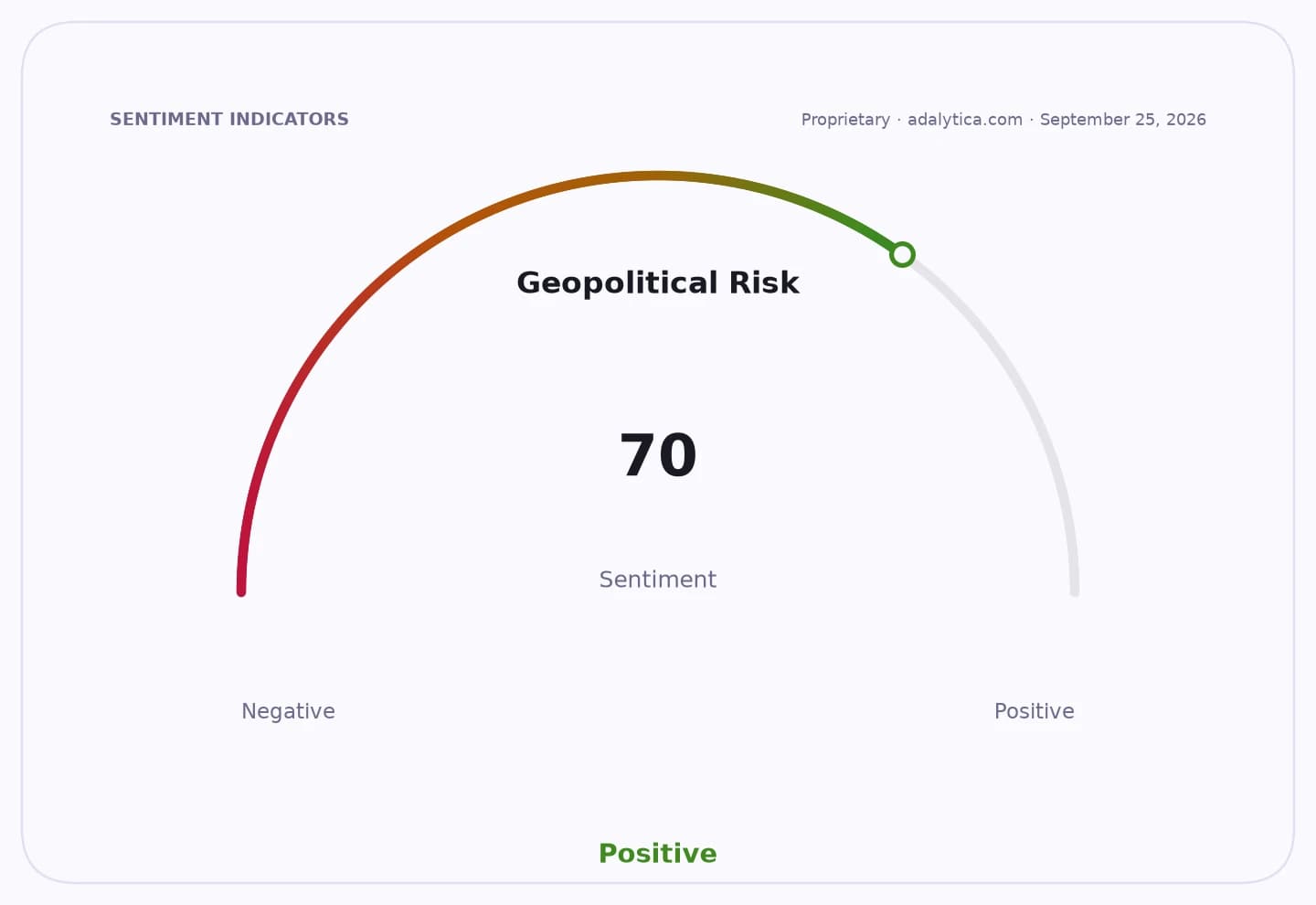
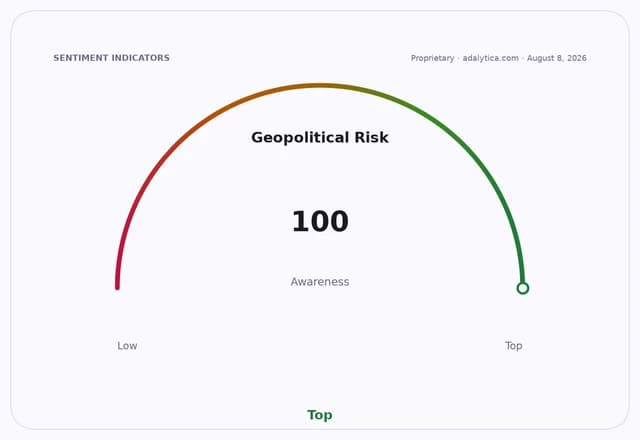
Sentiment IndicatorsⓘProprietary · adalytica.com · August 8, 2026
This is a snapshot — live sentiment, awareness and momentum for 130+ markets update continuously in the dashboard.Open AlphaPulse

The Ministry of Defense is framing the expansion as a response to the most severe security situation since World War Two, underscoring how quickly regional tensions are translating into budget priorities. Japan is also preparing to share advanced procurement plans with contractors, which suggests the pipeline is broadening beyond headline aircraft and missile purchases to a wider industrial base. That should help improve visibility for suppliers, even if order timing remains uneven.
Markets have already begun to price that shift. Shares of Mitsubishi Heavy Industries, ticker 7011.T, have risen sharply in recent months and were up to 4,044 yen on Aug. 7, after touching 4,646.76 yen in January and 5,092.49 yen in February. The stock’s 50-day moving average remains well below the current price, while the relative strength index has climbed to 68.8, pointing to strong momentum but also a stretched near-term setup. Kawasaki Heavy Industries, 7012.T, has also rallied, closing at 5,620 yen on Aug. 7 after a run that pushed its RSI to 88.4, a level that typically indicates the shares are overbought by conventional technical standards.
The defense theme is being reinforced by wider policy support. Japan has been trying to align security spending with industrial policy, arguing that defense can also underpin growth through manufacturing, advanced technology and supply-chain investment. That framing is important for investors because it broadens the case beyond one-off weapons orders: if spending stays elevated, the beneficiaries could include prime contractors, electronics groups, propulsion and materials suppliers, and service companies tied to maintenance and logistics.
The U.S. connection also matters. Japan’s military expansion comes alongside deeper coordination with Washington, including recent support for yen stabilization, a reminder that security and financial diplomacy are increasingly intertwined. A more defensive Japan can mean more demand for U.S. systems and joint programs, but it also gives Tokyo more leverage to cultivate domestic capabilities and reduce reliance on imports over time.
The bull case for defense stocks is straightforward: higher budgets, longer procurement cycles and a growing sense of urgency should support revenue and backlog growth. The bear case is equally clear: after the recent rally, valuations and momentum look extended, and the execution risk is significant if budget increases are delayed, reallocated or spread across too many programs. For now, investors are treating Japan’s defense expansion as a durable policy shift rather than a temporary reaction.
| Entity | Gains | Losses |
|---|---|---|
| Japanese defense contractors | ▲Bigger orders, fuller backlogs | ▼Budget timing risk |
| U.S. defense suppliers | ▲More joint procurement opportunities | ▼Localized substitution risk |
| Japan government | ▲Stronger deterrence, industrial support | ▼Higher fiscal burden |
| Short sellers in defense names | ▲Volatility opportunities | ▼Momentum-driven losses |