Gasoline prices have climbed to around 175 yen a liter in Japan, and the bigger story is not the number itself but what happens if fuel keeps rising from here: households get squeezed, transportation costs ripple through the economy, and automakers that depend on Japanese demand face another headwind just as investors were hoping for stability.
Japan fuel spike pressures consumers and automakers
That matters because fuel is one of the most visible costs in daily life. When drivers say prices are “at the limit,” they are talking about more than inconvenience. Higher gasoline costs act like a tax on consumers, especially in a country where wage growth has been uneven and many households still budget tightly. If oil prices stay elevated, the pain does not stop at the pump. It flows into delivery costs, logistics, food distribution and eventually into the broader inflation picture.
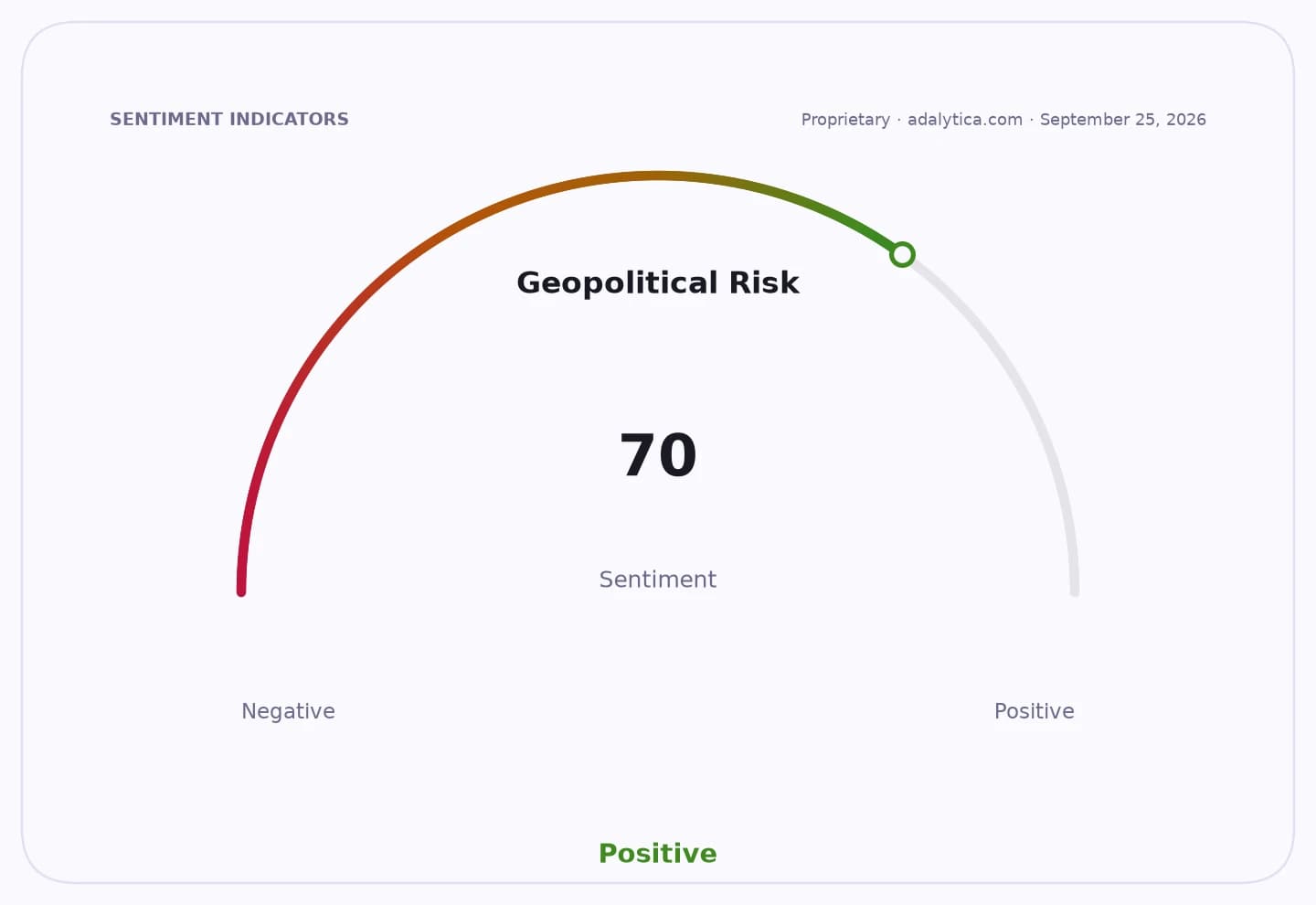
Sentiment IndicatorsⓘProprietary · adalytica.com · July 23, 2026
This is a snapshot — live sentiment, awareness and momentum for 130+ markets update continuously in the dashboard.Open AlphaPulse
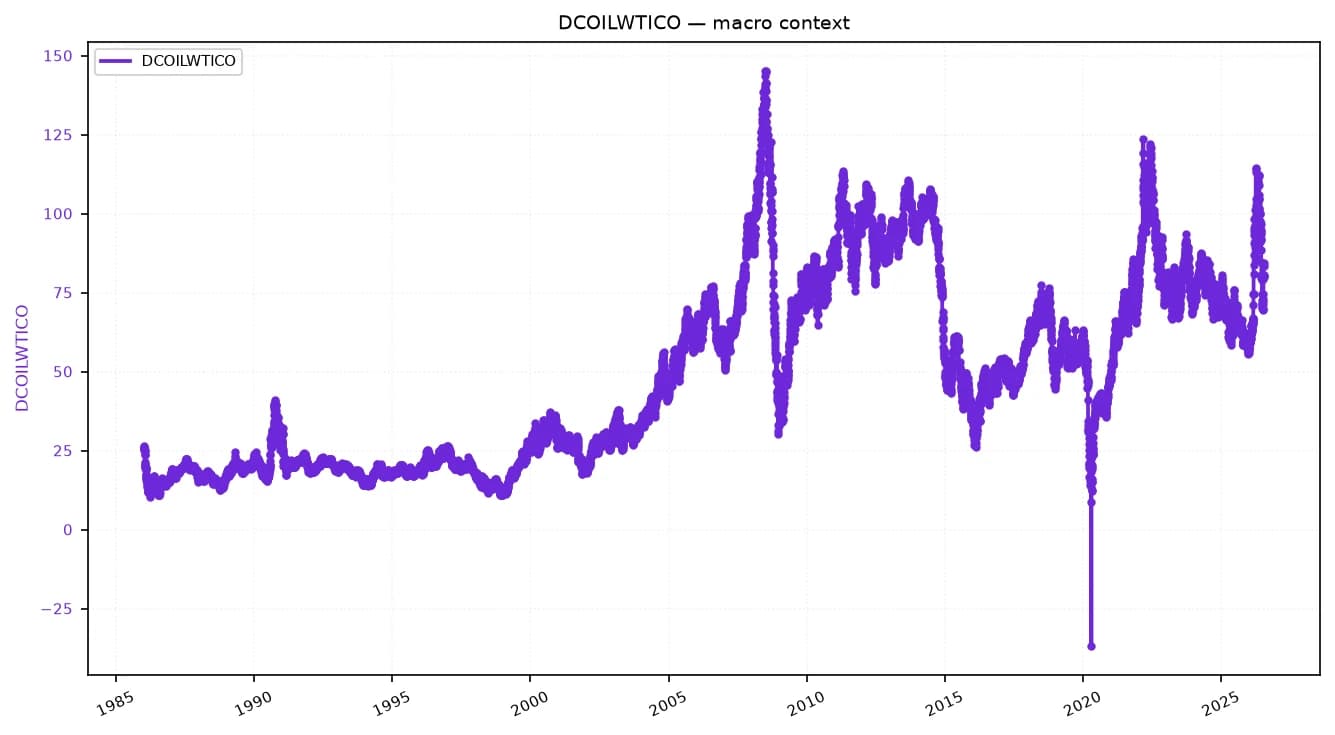
The recent move in crude oil is the real driver. WTI climbed back to about $84.98 a barrel in the latest forecast after trading near $80 earlier in the week, extending a rebound from mid-July. Adalytica’s Oil WTI trade signals show awareness at an “Extreme Greed” reading, a sign that traders are paying close attention to the commodity’s momentum. The catalyst is geopolitical stress around the Middle East, especially concerns tied to tensions involving the United States and Iran and the strategic Strait of Hormuz, a chokepoint for global energy flows. When supply risk rises there, gasoline prices everywhere can react quickly.
For Japan, that creates an uncomfortable mix. The economy has been trying to sustain a cycle of modest inflation and higher wages, but energy inflation is the kind that hurts consumers before it helps anyone. Imported fuel costs can also pressure the yen, and the latest Adalytica snapshot shows the U.S. dollar with a “Greed” reading, underscoring how currency moves and oil prices can reinforce each other. A weaker yen would make imported energy even more expensive for Japan, adding another layer of strain.
Investors should care because this is not just a macro headline. It has direct implications for automakers, retailers and transport companies. Toyota Motor, which has already seen its shares climb from recent lows, sits at the center of Japan’s industrial story and remains sensitive to consumer confidence and input costs. Honda and Nissan face the same reality: when fuel prices rise sharply, buyers may delay purchases, shift preferences or trade down. At the same time, companies with exposure to hybrid and fuel-efficient vehicles can gain relative appeal, because high gasoline prices tend to reward efficiency.
The market reaction so far suggests investors are watching the energy input more than the end-demand effect. Toyota’s stock has recently recovered to around 180 yen in the latest trading data, while Honda has stabilized near 28.5 and Nissan has hovered just above 4.0. Those moves do not tell the full story, but they show that auto shares are already pricing in a tug-of-war between resilient operating trends and a tougher consumer backdrop. Technical readings for Toyota and Honda have improved from oversold levels, which hints that sentiment can turn quickly if oil eases, but the underlying risk remains the same: sustained fuel inflation would eventually weigh on volumes and margins across the sector.
The broader lesson for long-term investors is simple. Energy shocks are temporary until they are not. If geopolitics keeps oil elevated, Japan’s households will feel the squeeze first, and companies tied to domestic consumption will absorb it next. If prices fade, the pressure eases just as quickly. Either way, this is a reminder to focus on businesses with pricing power, strong balance sheets and products that benefit from efficiency rather than excess fuel use. For investors, that makes the gasoline spike worth watching closely — and worth treating as a macro risk, not just a headline at the pump.
| Entity | Gains | Losses |
|---|---|---|
| Oil producers | ▲Higher realized prices | ▼Demand risk if prices stay too high |
| Fuel-efficient automakers | ▲Stronger appeal for hybrids/EVs | ▼Smaller effect if fuel spikes fade |
| Japanese consumers | ▲— | ▼Higher commuting and household costs |
| Transport and logistics firms | ▲— | ▼Rising operating expenses |