Japanese households are still embracing NISA investing even when it leaves them scraping by on bean sprouts for a week, because the real prize is not this month’s comfort but decades of tax-free compounding. That tradeoff matters: with inflation still above the Bank of Japan’s comfort zone and cash yielding far less than long-term assets, sitting on the sidelines is starting to look like a more expensive decision than investing.
Japan households shift cash into NISA investing

The heart of the story is that Japan’s long-running savings culture is shifting. For years, households were taught to prize safety, but the combination of higher prices, a weaker yen and an older population that cannot rely on wage growth alone is forcing a rethink. NISA, Japan’s tax-free investment wrapper, has become the channel for that change because it gives ordinary savers a practical way to own stocks, funds and dividend payers without handing a portion of the gains to the taxman. In a country where the cost of everyday life has become more visible, the appeal of building wealth outside the bank account is hard to ignore.
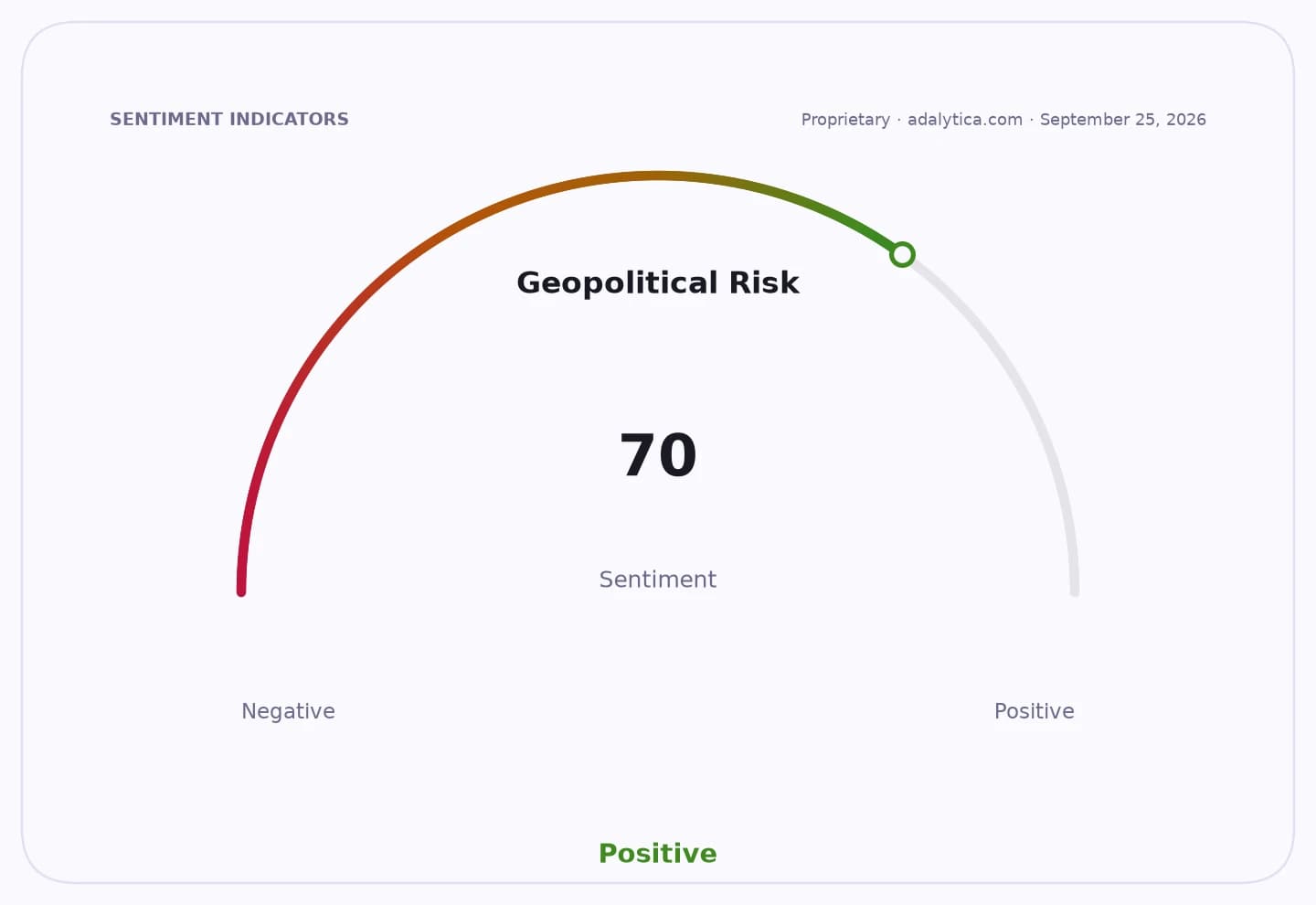
Sentiment IndicatorsⓘProprietary · adalytica.com · July 27, 2026
This is a snapshot — live sentiment, awareness and momentum for 130+ markets update continuously in the dashboard.Open AlphaPulse

That economic backdrop helps explain why the debate over lump-sum investing versus drip-feeding money is drawing so much attention. The long-term math still favors getting capital to work sooner, especially in a tax-advantaged account. But the emotional hurdle is real, particularly for investors who worry about being “NISA poor” after shifting too much cash into equities too quickly. The fear is understandable. In the short run, volatility can make a carefully planned portfolio feel like a mistake. Over years, though, what matters is whether the investor stayed invested long enough to let compounding do its work.
The market signal from Japanese shares says many investors are already making that leap. Toyota, SoftBank and Japan’s big banks have all seen sharp moves in recent months, reflecting a market that is rewarding companies tied to exports, technology and financial normalization. Toyota has held up better than the broader market, while SoftBank has remained volatile and the banks have surged as investors bet higher rates will eventually improve lending margins. That mix is a reminder that NISA investors are not just buying an account wrapper; they are making a structural bet on Japanese equities, global demand and a more normal interest-rate environment.
And rates are the key macro variable here. The 10-year U.S. Treasury yield is sitting around 4.7%, while the U.S. federal funds rate is near 3.6% and inflation remains sticky. For Japanese investors, that matters because higher global yields keep pressure on asset prices and currency markets, but they also reinforce the case for owning productive assets instead of cash. The yen’s own trading signals have recently pointed to extreme greed, while the dollar has been flashing extreme fear in Adalytica’s proprietary sentiment gauges, underscoring how fast currency expectations can swing. For Japanese households investing through NISA, that adds another reason to think in years, not weeks.
The bigger investment lesson is simple: NISA is less about maximizing a single contribution and more about building a habit. Investors do not need to chase every market dip or obsess over whether to invest all at once or monthly in order to win. They need a plan they can stick with through downturns, and enough diversification to avoid turning a promising tax break into a concentrated risk. For many households, that means broad funds, dividend growers and a patient allocation to high-quality Japanese and global stocks.
Could the market wobble from here? Absolutely. Valuations can always compress, the yen can strengthen, and policy shifts can jolt sentiment. But if Japan’s savers are finally moving from cash to assets, that is a secular change, not a trade. For long-term investors, the people who feel “NISA poor” today may be the ones best positioned to own the compounding machine that matters most over the next 10 years. That makes the strategy worth watching — and, for disciplined investors, worth sticking with.
| Entity | Gains | Losses |
|---|---|---|
| NISA investors | ▲Tax-free compounding | ▼Near-term cash comfort |
| Japanese banks | ▲Higher-rate tailwinds | ▼Cash hoarders |
| Exporters like Toyota | ▲Weaker-yen support | ▼Currency-sensitive importers |
| SoftBank | ▲Risk-on appetite | ▼Volatility-averse sellers |