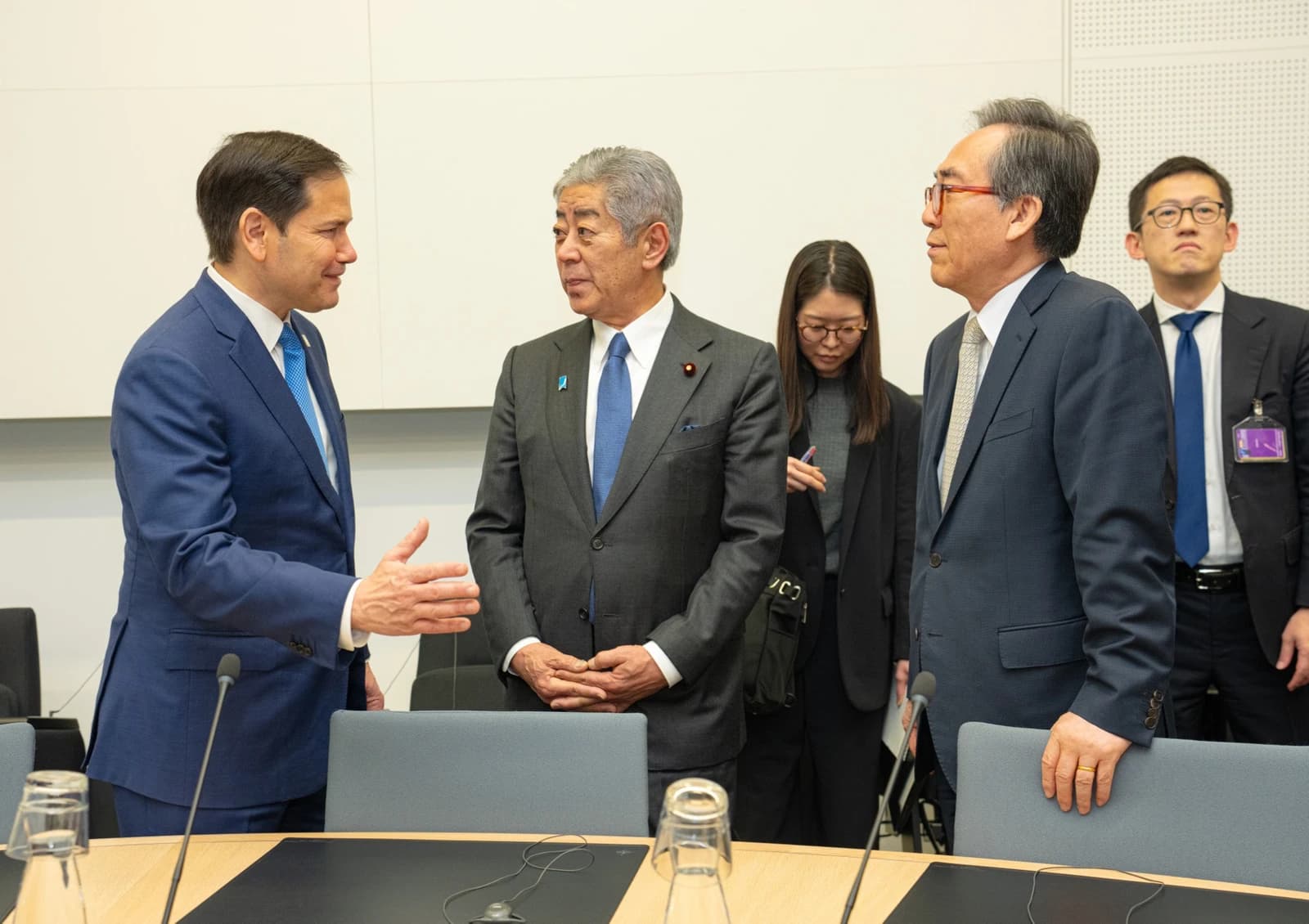
Seven Japanese lawmakers are heading to Taiwan this week with a message that goes well beyond ceremonial goodwill: Tokyo’s political circles want deeper diplomatic and defense coordination with Taipei even as Beijing doubles down on punishment for anyone who challenges its claim over the island.
Japan Lawmakers Visit Taiwan on Security Cooperation
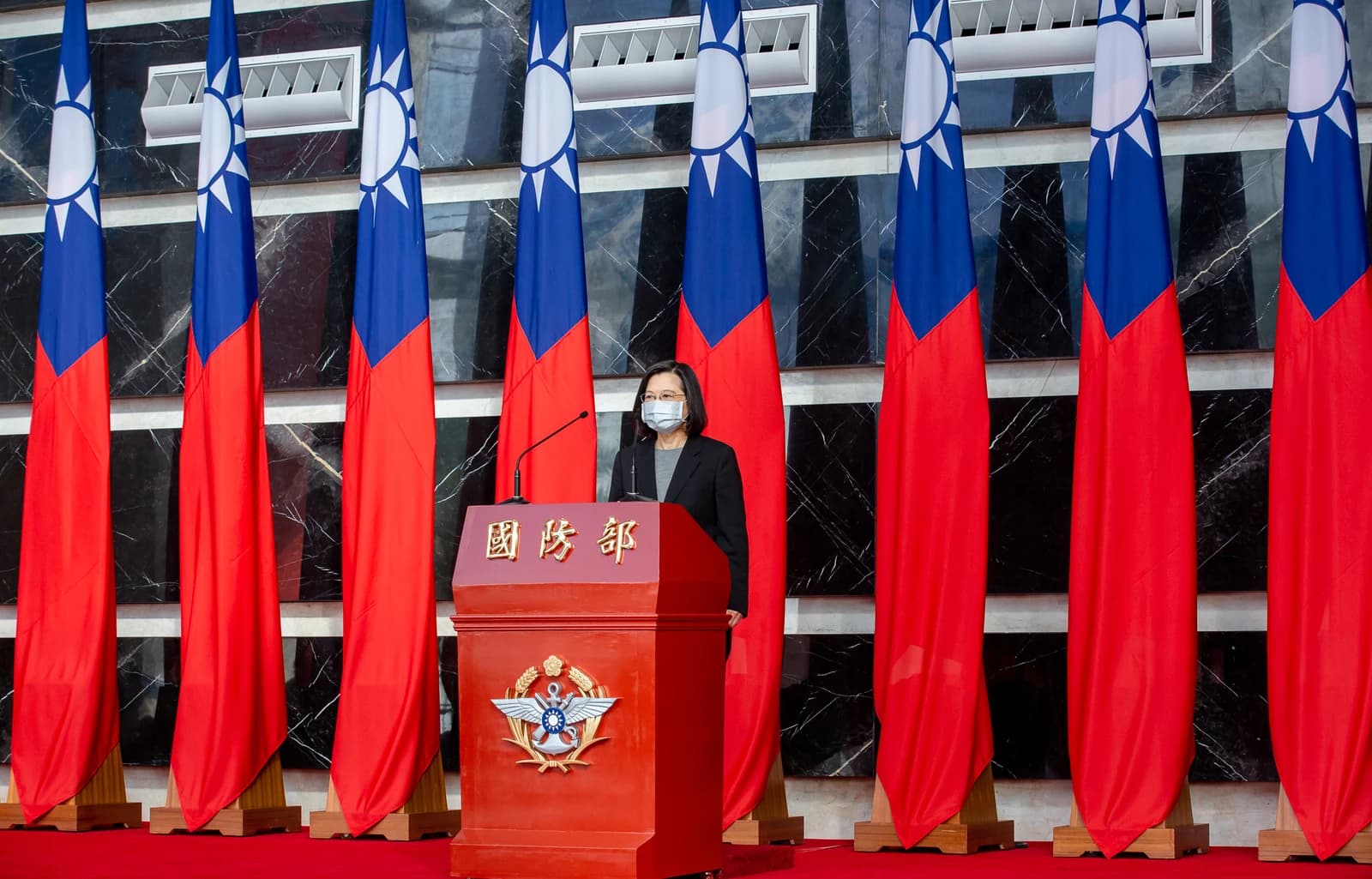
That matters because the cross-strait dispute is no longer just a diplomatic feud. It is a live geopolitical risk that can alter defense budgets, trade routes, technology supply chains and investor sentiment across Asia. For markets, the key takeaway is simple: every step that hardens Taiwan’s external support network makes the status quo more resilient, but also keeps the premium for regional instability elevated.
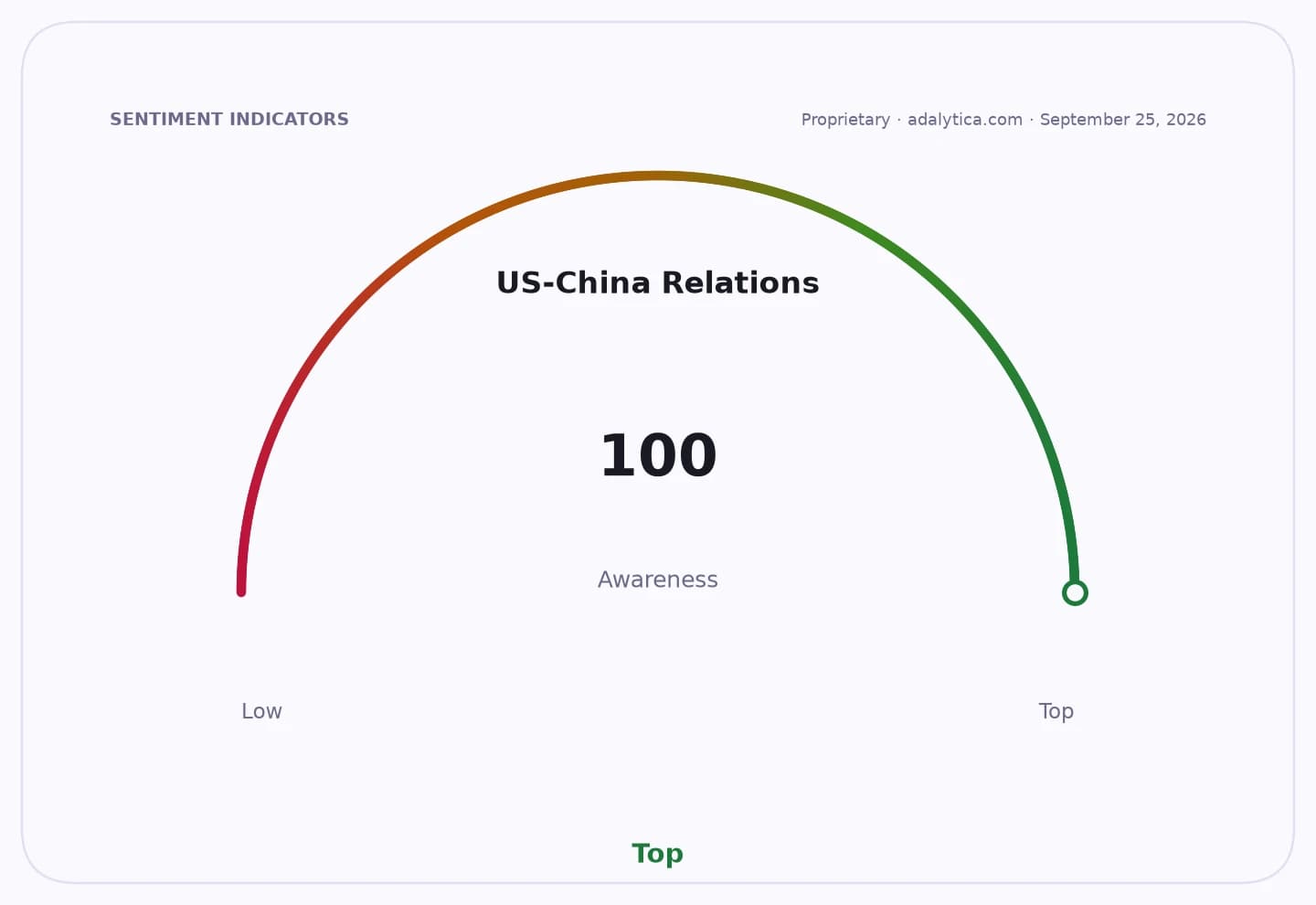
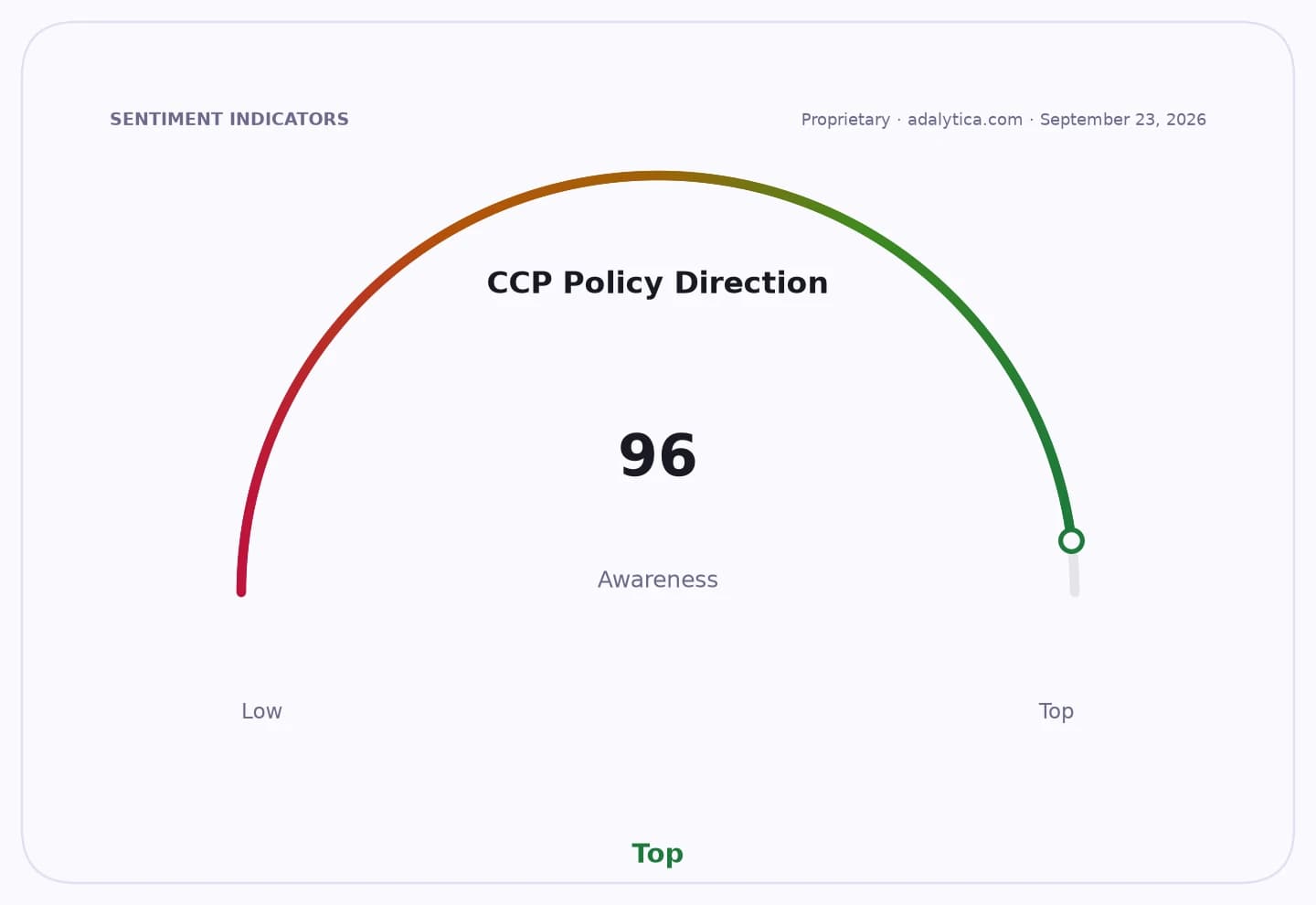
Sentiment IndicatorsⓘProprietary · adalytica.com · September 6, 2026
This is a snapshot — live sentiment, awareness and momentum for 130+ markets update continuously in the dashboard.Open AlphaPulse

The delegation, scheduled to visit from Aug. 8 to 10, is being led by upper house lawmaker Haruo Kitamura of the Japan Conservative Party and includes lawmakers from the Democratic Party for the People, Nippon Ishin no Kai, the Sanseito and others. They plan to pay courtesy calls on Taiwan’s presidential office and meet officials from the National Security Council, as well as the foreign and defense chiefs. They will also attend a Taiwan-Japan foreign and defense symposium and speak with members of the Legislative Yuan.
The most important signal is the lawmakers’ intent to move the relationship “beyond ordinary friendship,” as Shi Ping put it. That language is politically meaningful because it points to a more durable framework for cooperation in security, intelligence-sharing and diplomatic coordination — exactly the areas Beijing wants Taiwan isolated from.
Geopolitical Risk vs EWTadalytica.com
Explore this data interactively — full history, time series and cross-market comparisons.Open AlphaPulse

China’s reaction has already set the tone. Shi Ping has been under sanctions since September last year, including an entry ban, after criticizing Beijing’s policies on Taiwan and Xinjiang. His presence in the delegation underscores how China’s pressure campaign can sometimes have the opposite effect: it hardens support among politicians who see Taiwan as a democratic partner under threat.
For investors, the broader implication is not a single tradeable event but a persistent theme. Japan’s security posture, Taiwan’s external partnerships and China’s coercive diplomacy all feed into the same long-running market narrative: more defense spending, more supply-chain redundancy and more volatility around semiconductors, shipping and regional risk assets. That is why names tied to Taiwan’s strategic role in electronics manufacturing remain central to long-term portfolio debates.
The latest price action in Taiwan-focused and Asia-exposed assets reflects that tension. Even without a direct market shock from this trip, the backdrop is one of elevated cross-strait risk and ongoing demand for assets that benefit from diversification away from China concentration. The practical lesson for investors is to think in years, not days: the political relationship between Tokyo, Taipei and Beijing is moving toward deeper alignment on security, and that trend is unlikely to reverse quickly.
The likely outcome is a gradual strengthening of unofficial Taiwan support networks among democratic partners, paired with more Chinese sanctions and rhetorical pressure. For long-term investors, that makes Taiwan’s strategic industries worth watching — and makes diversified exposure to Asia’s technology and defense ecosystem more important than ever.
| Entity | Gains | Losses |
|---|---|---|
| Taiwan lawmakers and officials | ▲Wider security backing | ▼Greater Chinese retaliation |
| Japan-Taiwan ties | ▲Deeper cooperation | ▼More diplomatic friction with Beijing |
| China | ▲Signals deterrence | ▼Risks hardening opposition |
| Investors in defense and semis | ▲Higher strategic relevance | ▼Elevated regional risk premium |