Japanese power and gas utilities are moving to secure long-term liquefied natural gas supply ahead of a wave of contract expirations, a sign that Asia’s biggest seaborne LNG buyer is trying to protect itself from tighter markets, volatile prices and rising geopolitical risk.
Japan Utilities Lock In LNG Supply
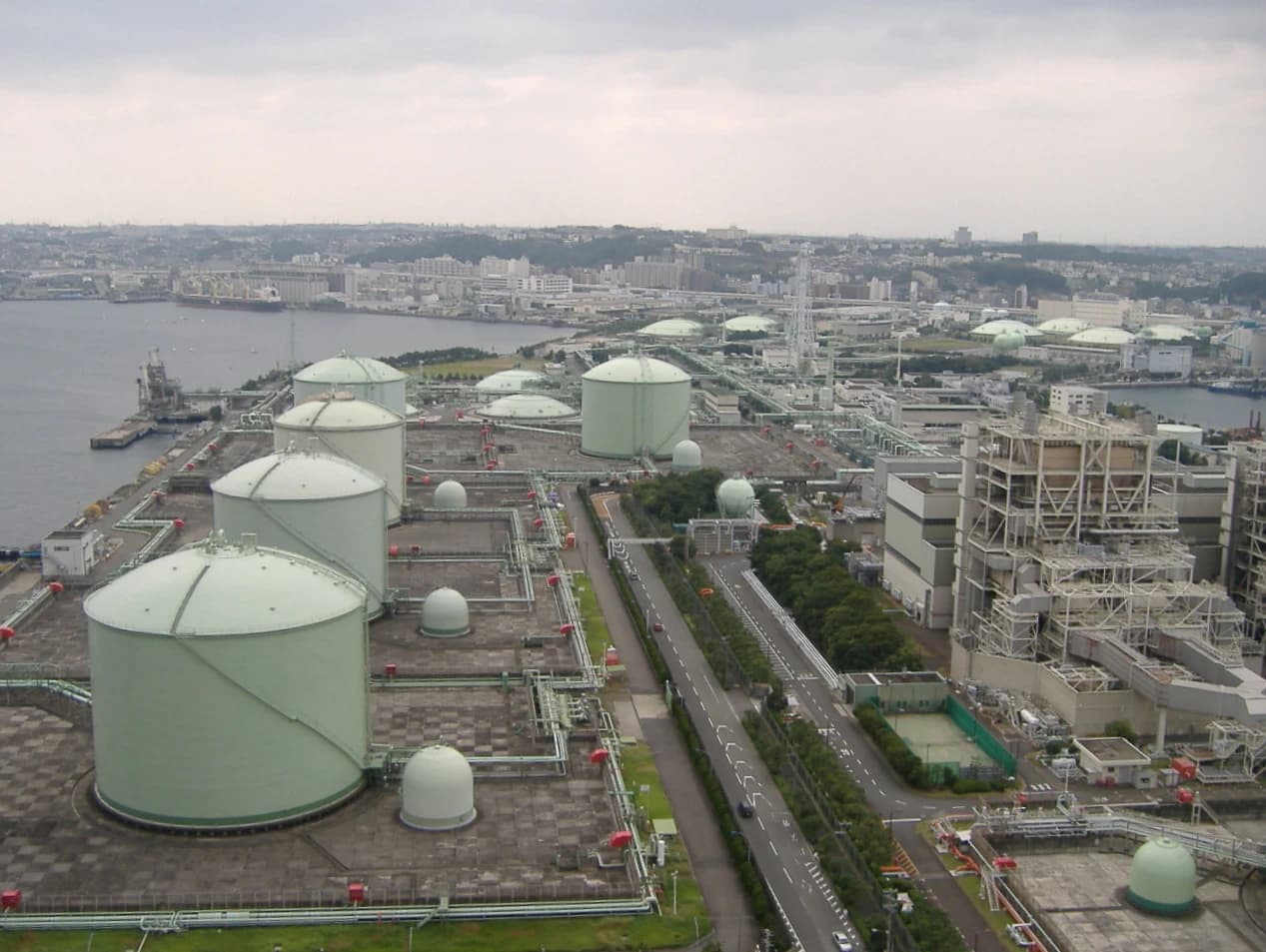
The urgency matters because Japan remains structurally dependent on LNG to balance power demand, especially after years of nuclear outages, slower renewables growth and a hotter summer cooling load. Long-term contracts are still the backbone of Japanese fuel security, and the next round of renewals will help determine whether utilities can keep costs stable or face more exposure to the spot market.
Sentiment IndicatorsⓘProprietary · adalytica.com · July 21, 2026
This is a snapshot — live sentiment, awareness and momentum for 130+ markets update continuously in the dashboard.Open AlphaPulse
That backdrop has become less forgiving. Brent-linked oil prices have been volatile, with U.S. crude near $79 a barrel in the latest data after a sharp swing from early July lows, while U.S. Treasury yields remain elevated, keeping financing costs higher across the energy supply chain. For LNG sellers, tighter macro conditions, a firmer dollar environment and geopolitical uncertainty all strengthen the case for locking in buyers on multi-year terms rather than relying on shorter, more volatile trading flows.
For Japanese utilities, the economic logic is straightforward. Long-term LNG contracts can smooth fuel costs over years, reducing the risk of price spikes that feed directly into electricity tariffs and industrial power bills. They also improve planning for generation portfolios, helping utilities hedge against disruptions in spot cargo availability just as global supply remains contested by stronger seasonal demand from Asia and shifting import patterns elsewhere.
The investment implications run across the LNG value chain. Producers and exporters such as Shell and BP, both of which have large LNG portfolios, benefit from visible contracted cash flows, particularly when their latest disclosures show ongoing LNG volume management and broader sensitivity to commodity-price swings. For LNG developers and shipping providers, Japanese utility demand supports the case for new capacity and long-haul project financing. For buyers, the trade-off is less flexibility if prices soften later or if domestic power demand eases.
Markets are already treating LNG as a strategic asset rather than a purely cyclical commodity. Cheniere Energy shares have been trading well above both their 50-day and 200-day moving averages, with conventional technical indicators showing bullish momentum after a strong recent run. Shell’s shares have also recovered sharply from early July weakness. That may reflect investor confidence that contract renewal demand, not just spot market conditions, will continue to underpin cash flows for major gas suppliers.
The broader narrative is that Japan is trying to preserve energy security in a market that is neither cheap nor stable. A push for longer-dated LNG deals suggests utilities are less interested in chasing the lowest spot price than in insulating themselves from supply shocks, currency swings and regional competition for cargoes. The key catalyst now is how much of Japan’s expiring volume gets rolled over into new long-term deals, and whether those contracts come with the pricing discipline utilities want or the premium sellers can now command.
| Entity | Gains | Losses |
|---|---|---|
| Japanese utilities | ▲Supply security | ▼Spot price exposure |
| LNG exporters | ▲Contracted cash flow | ▼Buyer leverage |
| LNG developers | ▲Financing visibility | ▼Project uncertainty |
| Japanese consumers | ▲Fewer fuel shocks | ▼Potentially higher tariffs |




