A 60-year-old Japanese office worker earning 8.8 million yen a year can afford to turn down a reemployment offer that once would have looked like a financial necessity, underscoring how stronger household balance sheets and a still-tight labor market are changing the retirement calculus in the world’s fourth-largest economy.
Japan older workers decline reemployment as labor tightens
The shift matters because Japan’s aging workforce has long relied on post-retirement reemployment to plug labor shortages and hold down wage costs. When more workers choose to leave rather than stay on in lower-paid senior roles, companies face higher hiring pressure, more competition for experienced staff and, in some cases, a need to raise pay to retain talent. That is increasingly relevant at a time when the unemployment rate is hovering around 4.1%, near historic lows, and job openings remain elevated, with vacancies at 7,359 in the latest reading and a forecast 7,715.2 for July.
The Nikkei 225’s surge to 69,220.25 this week — up sharply from 49,823.94 in November — reflects the broader investor view that Japan’s economy is being reshaped by firmer nominal growth, wage gains and a more assertive labor market. For companies, the equity rally is a reminder that the old playbook of extracting value from cheap, abundant labor is fading. For investors, the question is whether tighter labor supply will support wages and consumption enough to justify higher corporate earnings, or whether margin pressure will offset those gains.
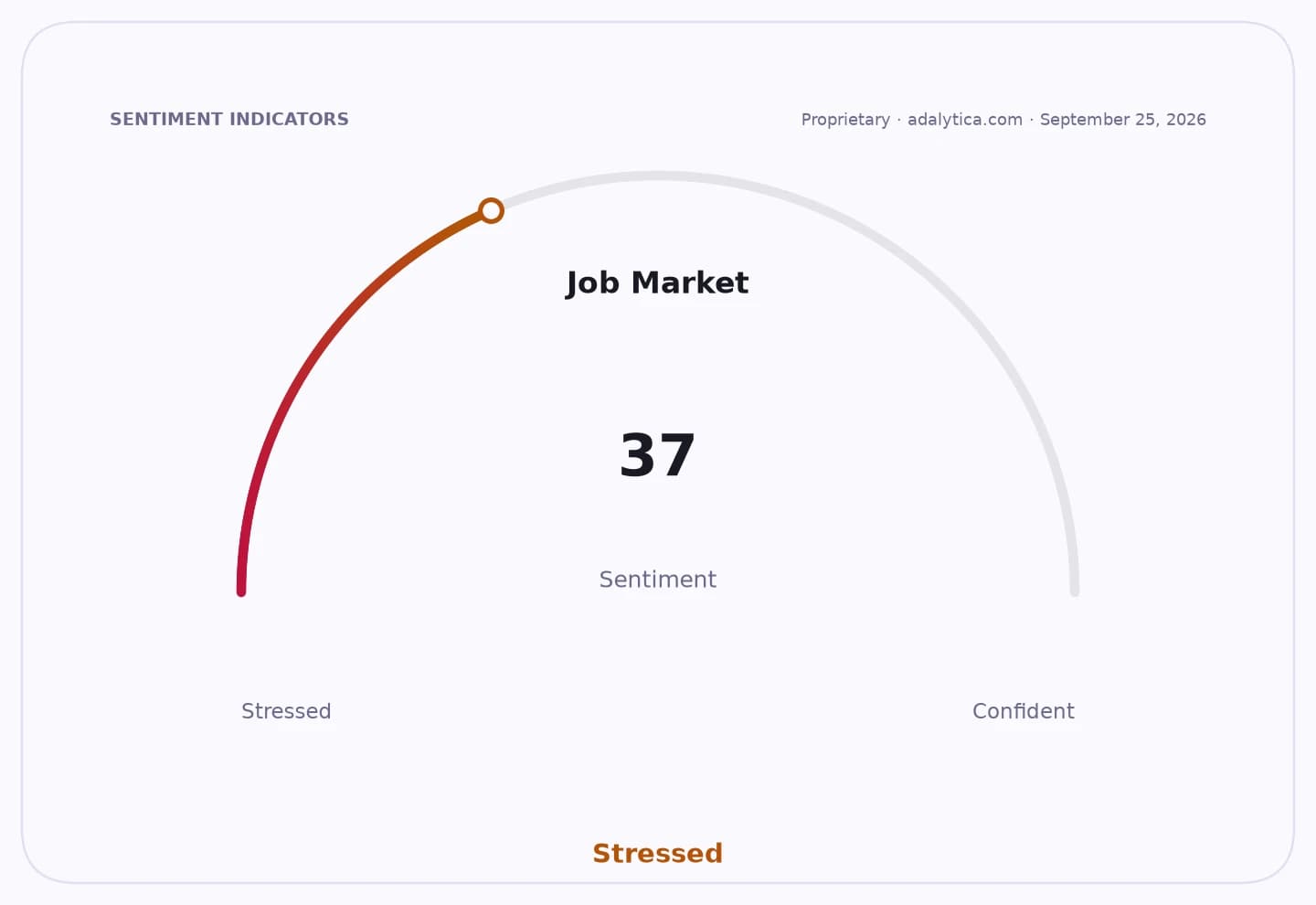
Japan’s job market has moved a long way from the dislocations seen during the pandemic, when unemployment jumped to 14.8% in April 2020. The latest forecast of 4.09% for August points to an economy that remains close to full employment. That backdrop gives older workers more leverage to decline second-career offers, especially when retirement savings, pensions and accumulated assets can bridge the gap. It also makes the country’s decades-long push to keep older employees in the labor force more complicated: firms can no longer assume that a lower-status, lower-pay rehire will be automatically accepted.
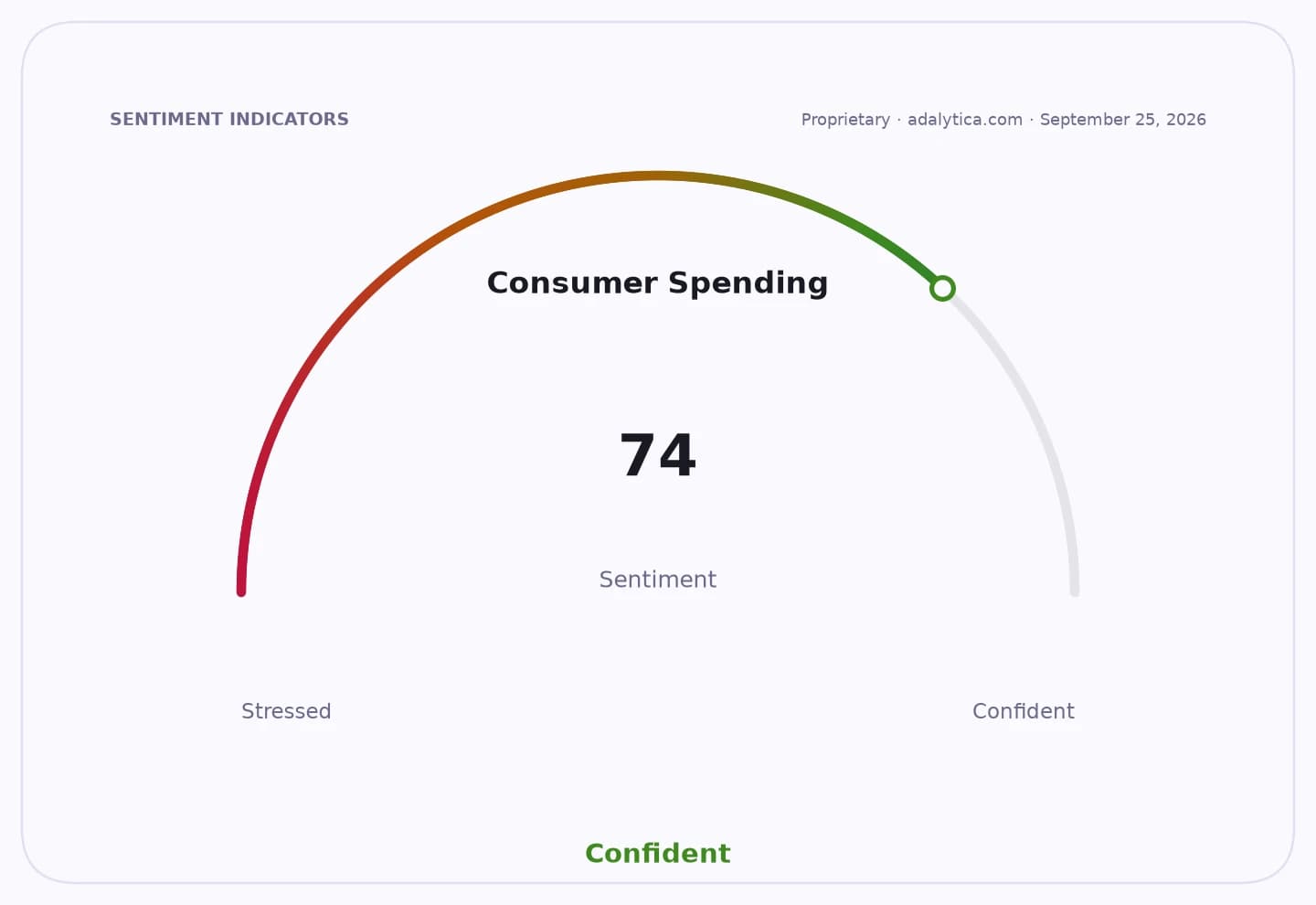
Foreign exchange adds another layer. The yen, at 159.62 per dollar, remains weak by historical standards, helping exporters and keeping imported inflation a concern for households. But a weak currency also raises the stakes for domestic wage growth, because real purchasing power is only protected if pay keeps up. That is part of why retirement decisions now carry broader macro significance: when experienced workers feel sufficiently secure to walk away, it suggests household confidence is improving even if price pressures remain.
The bull case for Japanese equities is that a healthier labor market, an aging society and the continued normalization of wages will support domestic demand, especially for retailers, services and banks exposed to household income. The bear case is that labor scarcity could squeeze margins in labor-intensive sectors and force firms to absorb higher compensation costs before productivity gains catch up.
For investors, the key catalyst is whether this retirement trend broadens into a structural shift in labor participation among older workers. If more senior employees decline reemployment, Japan could see faster wage gains, more churn and a deeper re-rating of companies that can pass on costs or automate quickly. If not, the current anecdotes will remain just that — stories of individual confidence rather than a lasting break from Japan’s low-wage labor model.
| Entity | Gains | Losses |
|---|---|---|
| Older Japanese workers | ▲More bargaining power | ▼Lower-paid rehire roles |
| Domestic consumers | ▲Stronger household income | ▼Higher prices if wages lag |
| Japanese employers | ▲None directly | ▼Labor shortages, higher pay costs |
| Exporters | ▲Weak yen tailwind | ▼Rising wage bills if labor tightens |