Japan’s manufacturing sector unexpectedly strengthened in July, a sign that corporate demand and production are still holding up even as global trade conditions, currency volatility and tariff uncertainty cloud the outlook.
Japan PMI Strength Supports Export-Led Equities
The flash au Jibun Bank manufacturing PMI climbed to 54.7, well above forecasts and firmly in expansionary territory, while the composite PMI rose to 53.1, the highest since February. For the world’s third-largest economy, that matters because manufacturing remains a key transmission channel for external demand, capital spending and earnings across exporters, machinery makers and industrial suppliers.
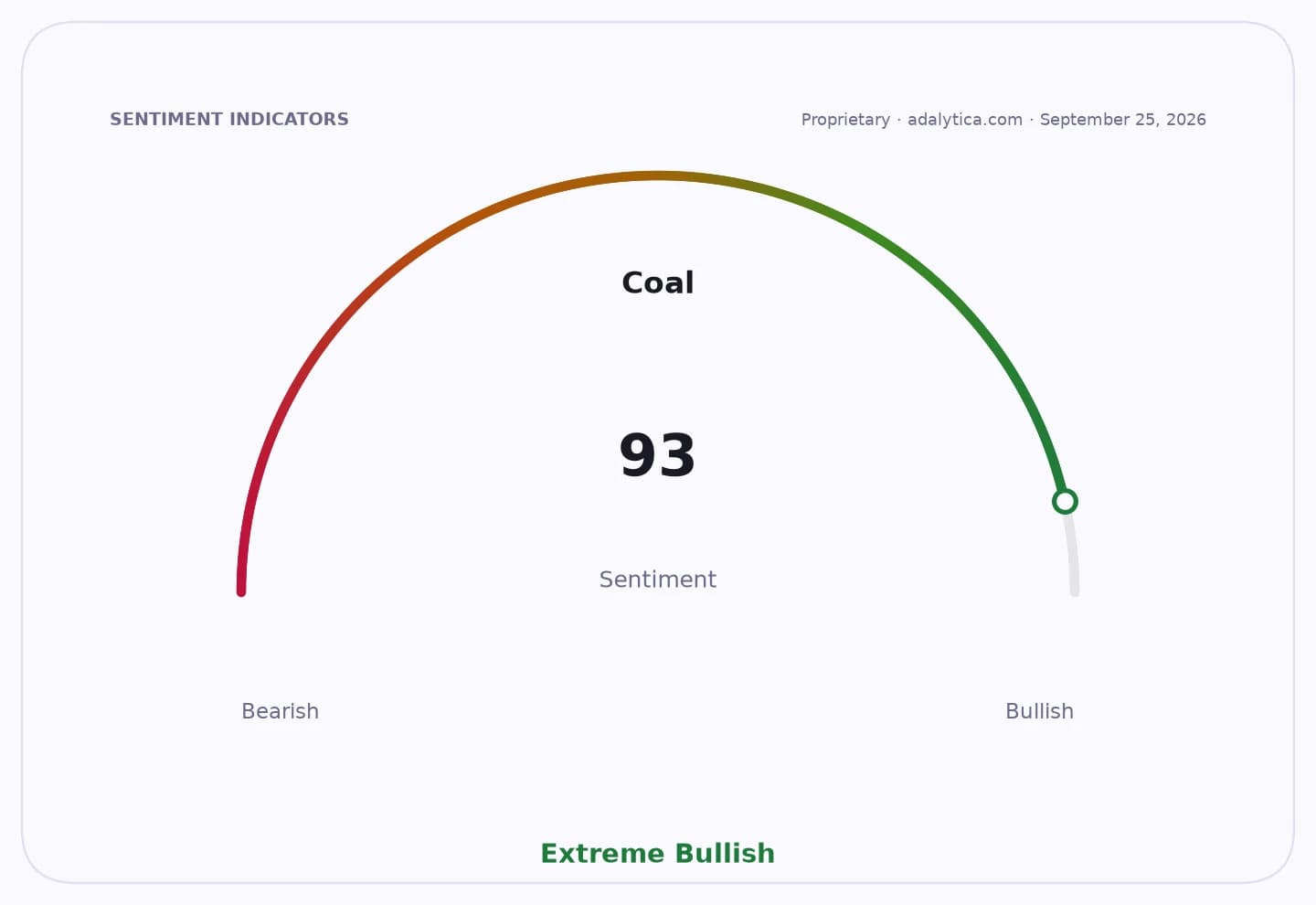
Sentiment IndicatorsⓘProprietary · adalytica.com · July 24, 2026
This is a snapshot — live sentiment, awareness and momentum for 130+ markets update continuously in the dashboard.Open AlphaPulse
The reading suggests Japanese factories are still benefiting from steady order books rather than relying on one-off inventory restocking. It also implies the drag from a softer global goods cycle has not yet fully reached Japan’s industrial base. The fact that the composite index — which blends manufacturing and services — also improved points to broader private-sector resilience, a useful offset for policymakers who have been trying to nurture a self-sustaining recovery without derailing wage growth.
Investors are likely to read the data as supportive for Japan equities, especially exporters and cyclicals. The iShares MSCI Japan ETF, EWJ, was trading around $91.10 on Thursday, below its 50-day moving average after a recent pullback, while the iShares Currency Hedged MSCI Japan ETF, DXJ, remained well above both its 50-day and 200-day moving averages, reflecting continued demand for Japanese stocks with yen risk stripped out. That divergence underscores how currency moves still shape returns: the yen was around 163.81 per dollar, near the weaker end of its recent range, which typically helps exporters’ translated earnings but raises questions about import costs and the domestic consumer squeeze.
The PMI strength lands at a delicate moment. A resilient manufacturing pulse could reinforce expectations that Japan’s corporate sector can absorb higher input costs and still expand output. But the bear case is that the improvement may prove temporary if U.S.-China trade frictions, slower Chinese demand or renewed tariff disruptions start to hit orders. Japan’s industrial production has been improving only gradually, and the latest factory survey does not eliminate the risk that export demand cools later in the quarter.
For the Bank of Japan, the data are constructive but not decisive. Stronger activity supports the case that the economy can withstand tighter policy over time, yet the BOJ is still likely to move cautiously as it watches wage trends, inflation persistence and the yen. A sustained manufacturing recovery would be more important if it starts to feed through into capital expenditure, profits and pay deals.
For now, July’s PMI points to an economy that is still expanding rather than stalling. Investors should watch whether the next data set confirms that resilience or whether external demand, the yen and global trade politics begin to weigh more visibly on Japanese industry.
| Entity | Gains | Losses |
|---|---|---|
| Japanese manufacturers | ▲Stronger orders, firmer output | ▼Margin pressure from costs |
| Exporters | ▲Yen weakness boosts earnings | ▼Higher input/import costs |
| Japan equities | ▲Support for cyclicals and exporters | ▼If global demand cools |
| Importers/consumers | ▲— | ▼More expensive overseas goods |