Japan’s Nikkei 225 fell more than 3% as a global selloff in AI-linked chip stocks triggered a broad de-risking across Asia, underscoring how quickly the market’s most crowded growth trades can unwind when U.S. tech turns lower.
Japan Selloff Signals AI Valuation Reset

That matters because Japan has become one of the clearest barometers of the AI-capex boom. A sharp move lower in Tokyo is not just a domestic equity event; it is a warning that investors are starting to question how much growth is already priced into semiconductors, equipment makers and the broader industrial chain feeding the artificial intelligence buildout. When the Nikkei drops on a tech-led liquidation, it usually reflects more than short-term volatility — it signals a repricing of the global earnings narrative.
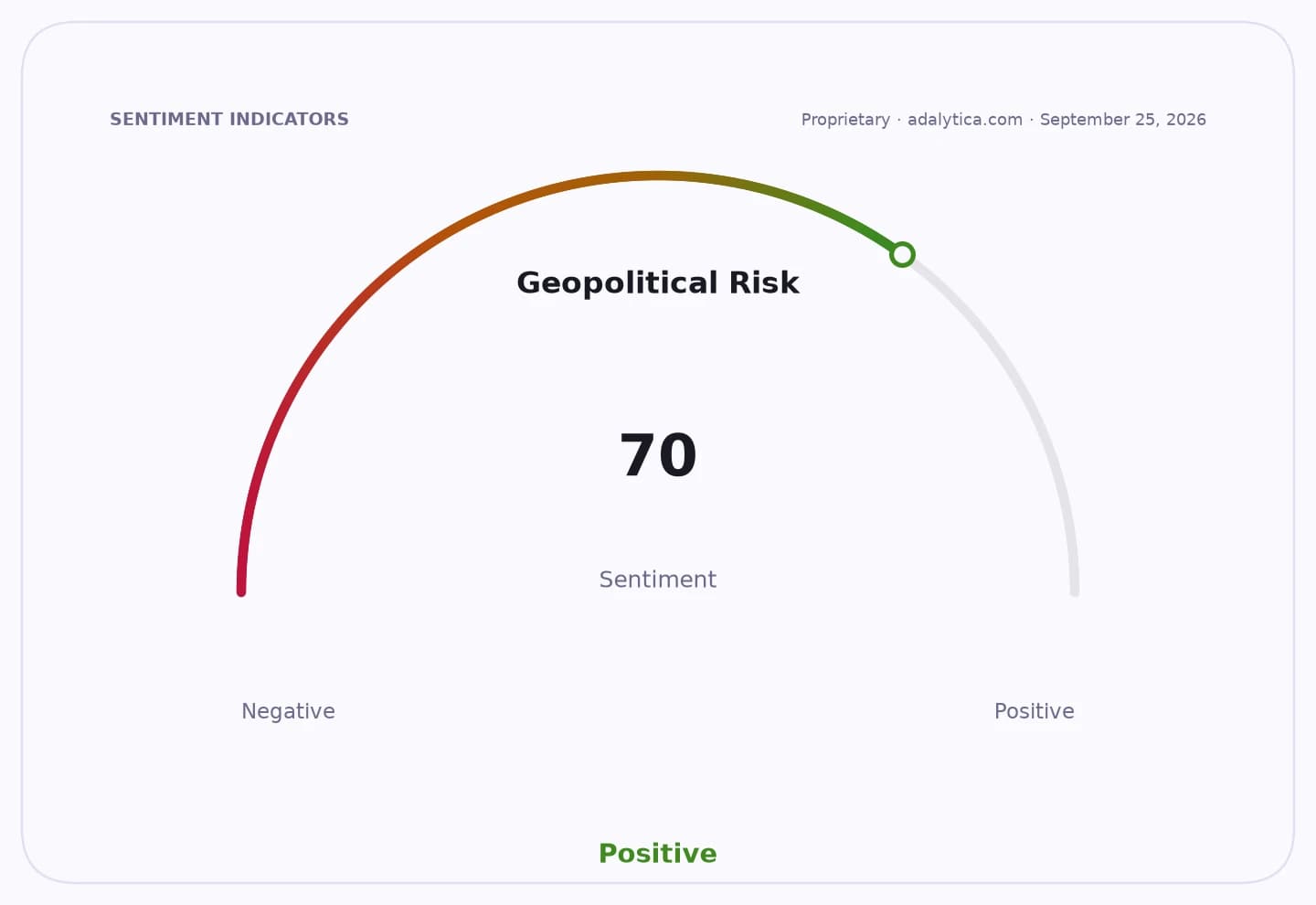
Sentiment IndicatorsⓘProprietary · adalytica.com · July 28, 2026
This is a snapshot — live sentiment, awareness and momentum for 130+ markets update continuously in the dashboard.Open AlphaPulse
The pressure was amplified by a weaker tone on Wall Street and by a nearly 8% slide in crude oil futures, which reinforced the shift into risk-off assets. Lower oil prices can ease inflation and help consumers, but they also tend to drag on the energy complex and can feed the view that markets are losing confidence in synchronized growth. In this case, the more important message is that capital is rotating away from the high-beta winners that led the rally.
For investors, the key issue is whether this is the start of a deeper multiple contraction in AI-exposed equities or just a healthy washout. The technical backdrop in EWJ, the iShares MSCI Japan ETF, suggests the pullback is real but not yet broken: the fund’s price remains above its 200-day moving average, while the 50-day average sits close enough to act as a near-term line in the sand. At the same time, RSI readings have cooled from overbought levels, which typically signals the market is digesting gains rather than abandoning the trend outright.
Safe Haven Demand vs EWJadalytica.com
Explore this data interactively — full history, time series and cross-market comparisons.Open AlphaPulse
That distinction matters. If this is a valuation reset rather than a trend reversal, the winners are likely to be investors who use the selloff to buy Japan’s structural beneficiaries — firms tied to automation, precision manufacturing, industrial software and the AI hardware supply chain — rather than chasing the most extended momentum names. The market underestimates how much of Japan’s equity story is still driven by capex, productivity reform and a weaker-yen export engine, not just speculative chip enthusiasm.
Foreign exchange remains part of the same trade. Adalytica’s JPY trade signals show awareness around the yen has stayed elevated even as sentiment has faded back toward neutral, a sign the currency remains central to global positioning. A stronger yen would add another layer of pressure to exporters and to the Nikkei’s earnings upgrade story, while also making risk assets more sensitive to any further unwinding of carry trades.
The broader narrative is straightforward: the AI boom is not over, but the easy money phase is. As capital becomes more selective, investors should favor the infrastructure and industrial beneficiaries of the buildout over the most expensive chip and software names. Pullbacks like this often mark the point where leadership narrows, not where the secular trend dies.
My view: use the Nikkei’s drop as a warning that the market is entering a more discriminating phase, and position for the next leg in Japan through quality exporters, automation leaders and infrastructure-linked ETFs rather than chasing the most crowded AI momentum.
| Entity | Gains | Losses |
|---|---|---|
| Quality Japan exporters | ▲Selective buying on dips | ▼Broad risk-off selling |
| AI chip stocks | ▲None | ▼Valuation compression |
| Yen bulls | ▲Safe-haven demand | ▼Carry-trade unwind risk |
| EWJ holders | ▲Potential long-term entry point | ▼Near-term volatility |