Japan’s trade flows hit record levels in July, underscoring how a weak yen and elevated energy costs are reshaping the country’s external accounts even as domestic demand stays soft.
Japan Trade Flows Hit Record Levels in July

The headline matters because it points to a more complicated version of economic strength: exporters are still selling, but import values are being inflated by expensive commodities and a cheaper currency. That combination can lift nominal trade totals and support parts of corporate Japan, while also squeezing households and adding to inflation pressure through higher fuel and input costs.
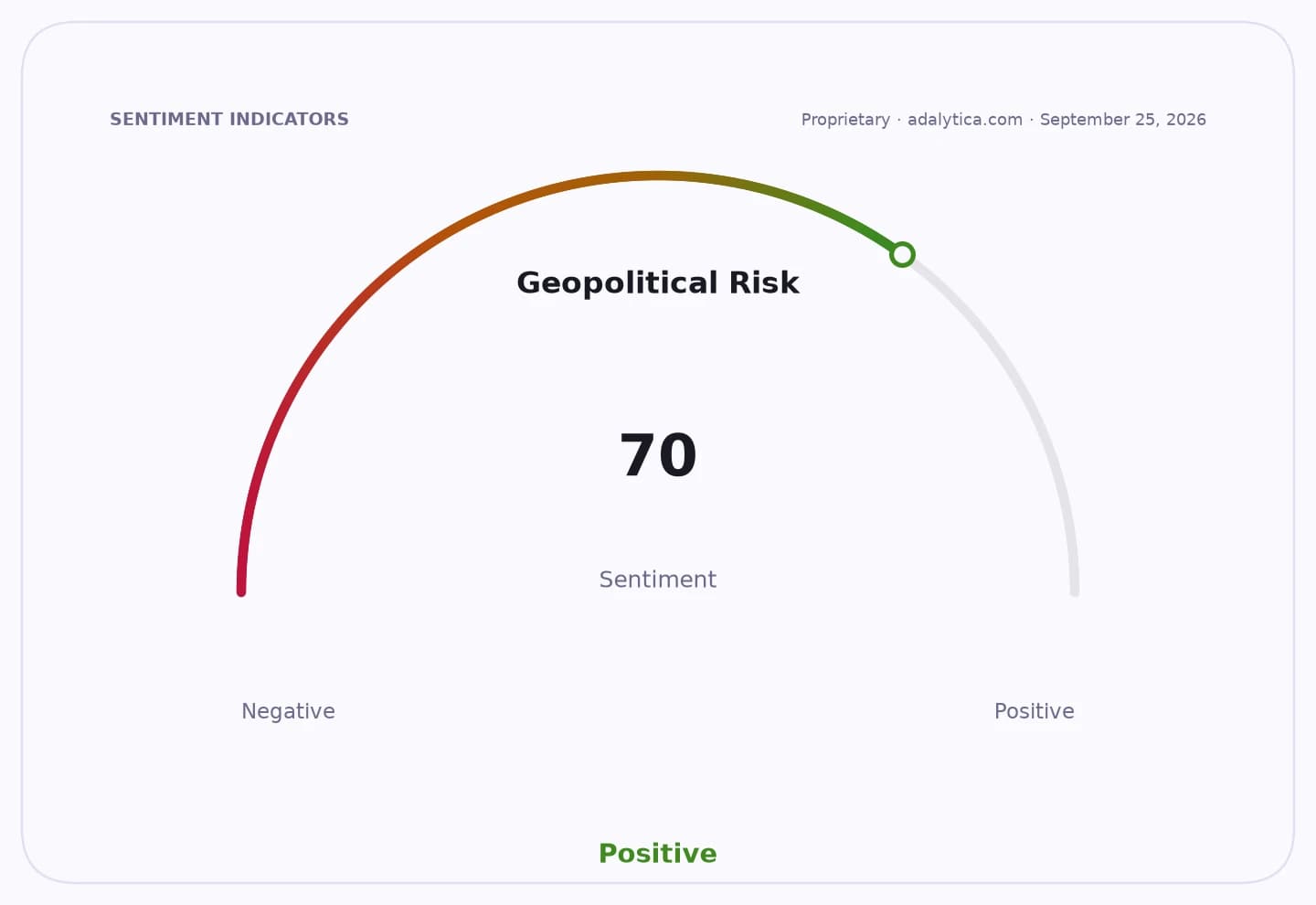
Sentiment IndicatorsⓘProprietary · adalytica.com · August 20, 2026
This is a snapshot — live sentiment, awareness and momentum for 130+ markets update continuously in the dashboard.Open AlphaPulse

Export growth was driven by autos and semiconductor-related shipments, extending a run of gains that has helped keep Japan’s industrial sector and manufacturing earnings resilient. A weaker yen tends to amplify overseas revenues when foreign sales are repatriated, which has been a tailwind for large exporters such as automakers and electronics groups. Honda, for example, said in recent filings that a weaker yen boosted quarterly sales revenue, a reminder that currency moves still feed directly into corporate results.
But the same currency effect makes imports more expensive, particularly for oil and other energy products. That is economically significant for Japan, which remains heavily reliant on imported fuel. When crude prices and exchange rates move against the country at the same time, the trade bill rises quickly, narrowing the benefit from stronger exports. Latest market data showed Brent-like benchmark crude around the mid-$80s a barrel, a level that keeps pressure on Japan’s energy import costs even if prices are well below the peaks seen in 2022.
The broader macro picture is therefore mixed. Japan’s economy expanded only modestly in the second quarter, with weak domestic spending limiting momentum despite export support. That leaves the country dependent on foreign demand and currency conditions rather than a self-sustaining domestic recovery. For policymakers, it also complicates the inflation debate: stronger import costs can keep price pressures elevated even when consumption is fragile.
Investors will read the record trade figures through two lenses. On the positive side, they reinforce the earnings resilience of export-heavy sectors and support the case for Japanese equities with global revenue exposure. Exchange-traded funds tracking Japan, such as EWJ, have recently held above their 50-day and 200-day moving averages, while momentum readings remain elevated, suggesting investors are still willing to pay for export leverage.
On the negative side, the same weak yen that helps exporters can erode purchasing power, worsen the terms of trade and increase the risk of policy intervention if currency moves become too one-sided. Adalytica’s yen trade signals currently sit in neutral territory, but the dollar’s own signal has deteriorated sharply, reflecting a market that is still sensitive to shifts in rates and policy expectations.
For now, Japan’s record trade volumes tell a story of external strength without broad domestic healing. The key question for the months ahead is whether exports can keep carrying the economy if the yen stabilizes, oil stays firm and consumer demand remains subdued.
| Entity | Gains | Losses |
|---|---|---|
| Japanese exporters | ▲Higher foreign revenue in yen | ▼Stronger import-cost inflation |
| Energy importers | ▲None | ▼Higher oil and fuel bills |
| Japanese households | ▲Stable goods supply | ▼Weaker purchasing power |
| Japan equities with global sales | ▲Earnings support from weak yen | ▼Risk of margin squeeze from costs |