Japan’s labor representatives are pressing for another minimum-wage increase in the country’s lowest-paying prefectures, underscoring how a widening regional gap has become a policy issue as inflation erodes household purchasing power and employers struggle to secure workers.
Japan Wage Hike Pressures Regional Employers

The central economic issue is not simply the size of the next wage hike, but whether Japan can keep lifting the floor without deepening the divide between urban and rural labor markets. The gap between the highest and lowest regional minimum wages has stayed above 200 yen for 13 straight years, a sign that local wage-setting has not kept pace with cost-of-living pressures or labor scarcity outside the major cities.
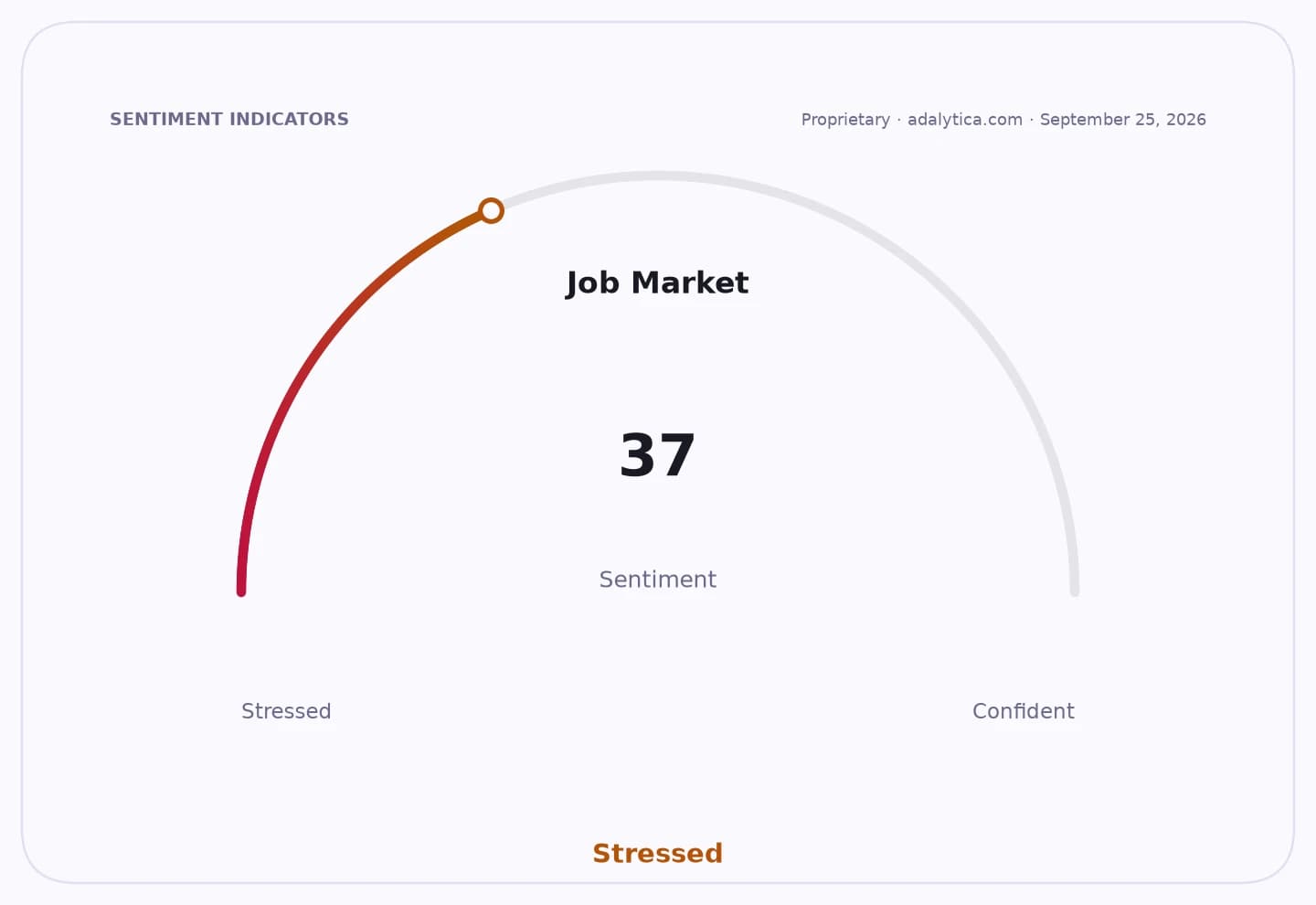
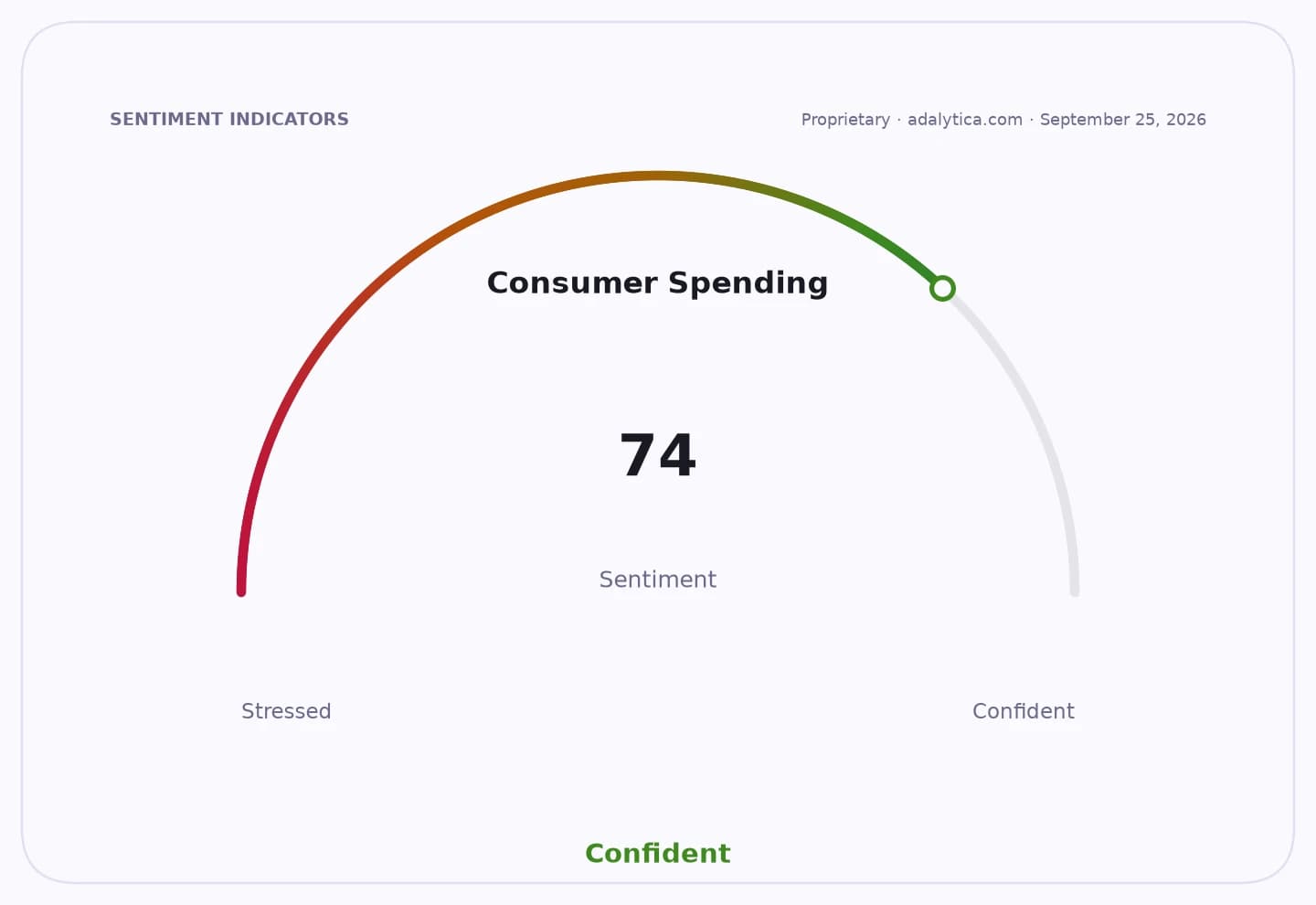
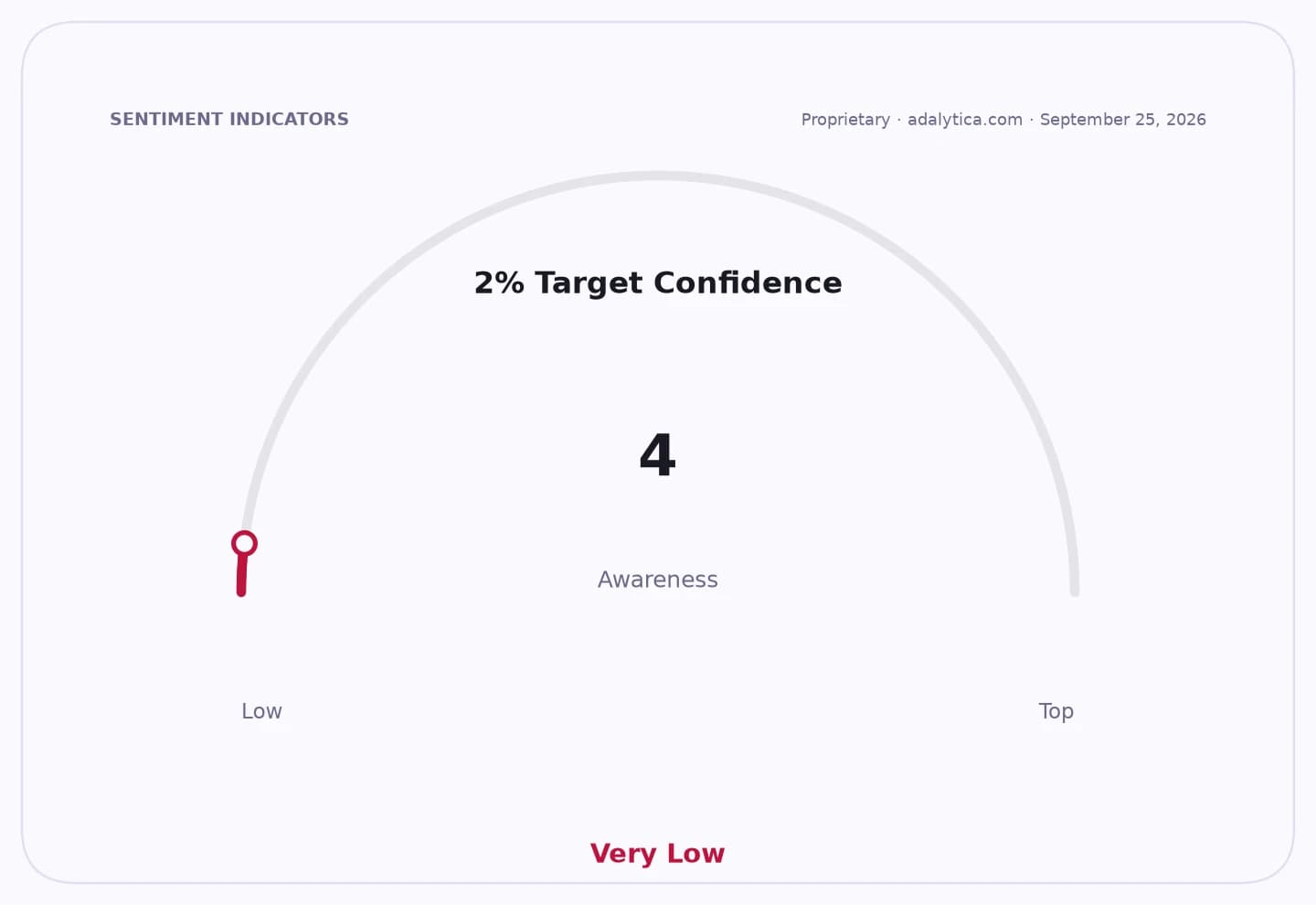
Sentiment IndicatorsⓘProprietary · adalytica.com · July 17, 2026
This is a snapshot — live sentiment, awareness and momentum for 130+ markets update continuously in the dashboard.Open AlphaPulse
That matters because Japan is trying to sustain a broader rise in wages after decades of stagnation while avoiding a hit to small and medium-sized businesses, which dominate employment in lower-wage prefectures. A higher minimum wage can support consumption by raising pay for lower-income workers, but it also raises labor costs for retailers, restaurants and service companies already dealing with tight staffing and thin margins. The policy tension is especially acute in regional economies where productivity is lower, price pass-through is limited and demographics are less favorable.
The macro backdrop strengthens the case for action. Consumer prices remain elevated relative to the pre-pandemic era, and the labor market is still tight enough that the unemployment rate is near multidecade lows by historical standards. That gives unions and worker advocates leverage to argue that wage floors must rise faster to preserve real incomes. The latest consensus in the National Wage Council to lift the regional minimum wage by 7.8% from Jan. 1, 2027, signals that policymakers are still willing to use wage policy as part of the inflation-and-income adjustment.
For investors, the implications are most immediate in labor-intensive sectors. Supermarkets, convenience stores, quick-service restaurants and logistics operators with a heavy regional footprint are most exposed to wage inflation, while companies with stronger pricing power, automation, or a larger urban customer base should be better insulated. The shares of Japan-focused consumer and retail vehicles have already reflected the market’s sensitivity to wage trends, with investors watching whether higher pay will broaden spending or simply compress margins.
There is also a currency and policy angle. Higher wages could support domestic demand and help the Bank of Japan’s long-standing goal of embedding a more durable wage-price cycle. But if regional wage gaps persist, the burden of adjustment may remain uneven, reinforcing migration toward major cities and weakening the long-term viability of smaller prefectures. That would keep pressure on local employers and policymakers alike.
The next test is whether the wage increase translates into broad-based income growth rather than just a compliance cost for smaller firms. If it does, it could strengthen consumption and justify a steadier normalization of wages across Japan. If it does not, the widening regional gap will remain a drag on productivity, hiring and household demand — and a growing constraint on any sustained recovery in Japan’s domestic economy.
| Entity | Gains | Losses |
|---|---|---|
| Low-wage workers | ▲Higher take-home pay | ▼Employer resistance |
| Unions/labor groups | ▲Stronger bargaining leverage | ▼If hikes are watered down |
| Small regional employers | ▲Potentially tighter labor supply | ▼Higher payroll costs |
| Urban, higher-margin firms | ▲Less exposed to wage gap | ▼Limited benefit from policy shift |