Losses of $96 billion on Japanese bonds are a warning shot for the global rate cycle, because the same forces that are battering long-duration debt in Tokyo are also exposing how fragile U.S. Treasury markets and bitcoin can be when yields stay elevated and liquidity gets tighter.
Japanese bonds lose $96 billion as yields stay elevated

The market is underestimating how much damage a sustained move higher in borrowing costs can do to portfolios that were built on the assumption that central banks would always keep rates pinned near zero. Japan’s long bond market is carrying the scars of that regime change, and the pain matters well beyond domestic investors: Japanese institutions are among the world’s biggest holders of foreign debt, and their willingness to keep recycling capital into Treasuries has been a pillar of U.S. funding.
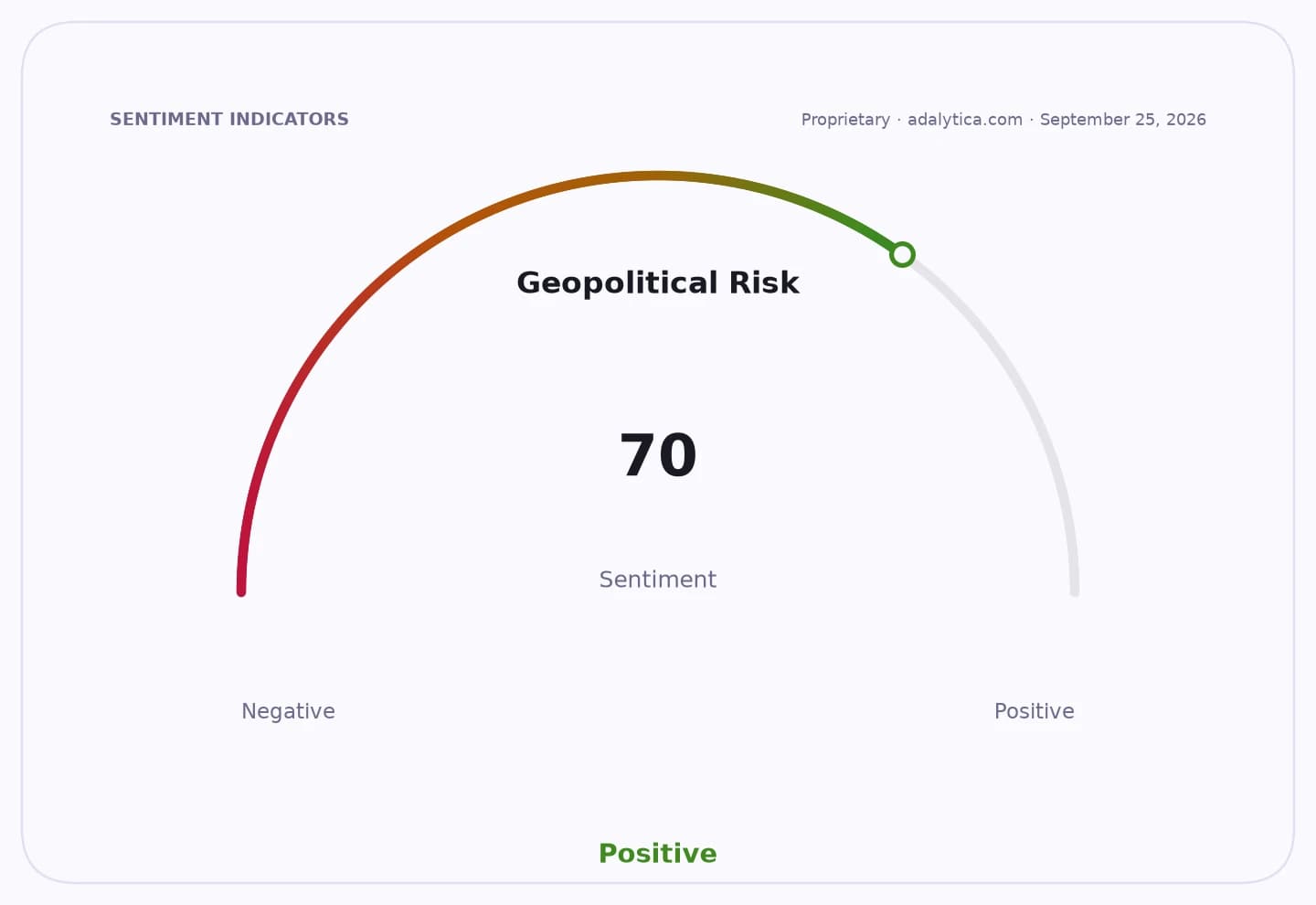
Sentiment IndicatorsⓘProprietary · adalytica.com · August 9, 2026
This is a snapshot — live sentiment, awareness and momentum for 130+ markets update continuously in the dashboard.Open AlphaPulse

That pillar is wobbling just as the U.S. yield curve stays restrictive. The 10-year Treasury is around 4.63%, the 2-year near 4.20%, while the fed funds rate sits at 3.63%, keeping real financial conditions tight and leaving little room for long-duration assets to breathe. In that environment, even a modest repricing of duration can trigger large mark-to-market losses, forcing asset allocators to rethink exposure across sovereign bonds, growth stocks and speculative crypto.
Bitcoin is the clearest expression of that risk appetite. The token has rebounded to about $65,150, but it remains far below last year’s peaks and still trades well under its 200-day moving average, even as its 50-day average has climbed back above spot. RSI readings have cooled from oversold levels, suggesting the immediate panic has faded, but the bigger message is that bitcoin remains tethered to global liquidity and the direction of real yields. When rates stay high and bond losses mount, the case for owning scarce, non-yielding assets gets tested.
The Japanese yen adds another layer to the trade. Adalytica’s yen signals show extreme greed, while the dollar also sits at extreme greed, a combination that underscores how crowded the currency and funding backdrop has become. A weaker yen has already pushed Japanese policymakers toward more intervention chatter and raised speculation that the Bank of Japan may be forced into earlier tightening. If that happens, it would not just move FX markets; it would raise the cost of carrying risk everywhere.
For investors, the opportunity is in the second-order effects. The winners are not the crowded duration trades, but the businesses that get paid by volatility, refinancing pressure and infrastructure spending: U.S. banks with trading and deposit franchises, short-duration credit, energy and defense names, and select crypto infrastructure operators that benefit when liquidity rotates rather than when it floods. The losers are long-duration sovereign bonds, levered growth and the parts of the digital-asset trade that still depend on abundant cheap money.
My view is that the market is still too comfortable assuming this is just a Japan story. It is not. It is a global repricing of duration, and the next leg will be decided by whether higher-for-longer rates force more selling from institutions that once treated Japanese and U.S. government debt as interchangeable safe havens. That is why this matters now, and why it is worth positioning before the next bond shock forces another round of capital rotation.
| Entity | Gains | Losses |
|---|---|---|
| U.S. banks | ▲Trading and funding tailwinds | ▼--- |
| Short-duration credit | ▲Better yield, less duration risk | ▼Long-bond holders |
| Bitcoin speculators | ▲Volatility-driven rebounds | ▼Yield-sensitive longs |
| Japanese bondholders | ▲--- | ▼Mark-to-market losses |