Republicans are increasingly treating Vice President JD Vance as the party’s leading candidate to carry the Trump coalition into 2028, a shift that matters because it could determine whether the president’s political brand outlives his own tenure or fractures into a wider succession fight.
JD Vance emerges as Trump’s 2028 heir
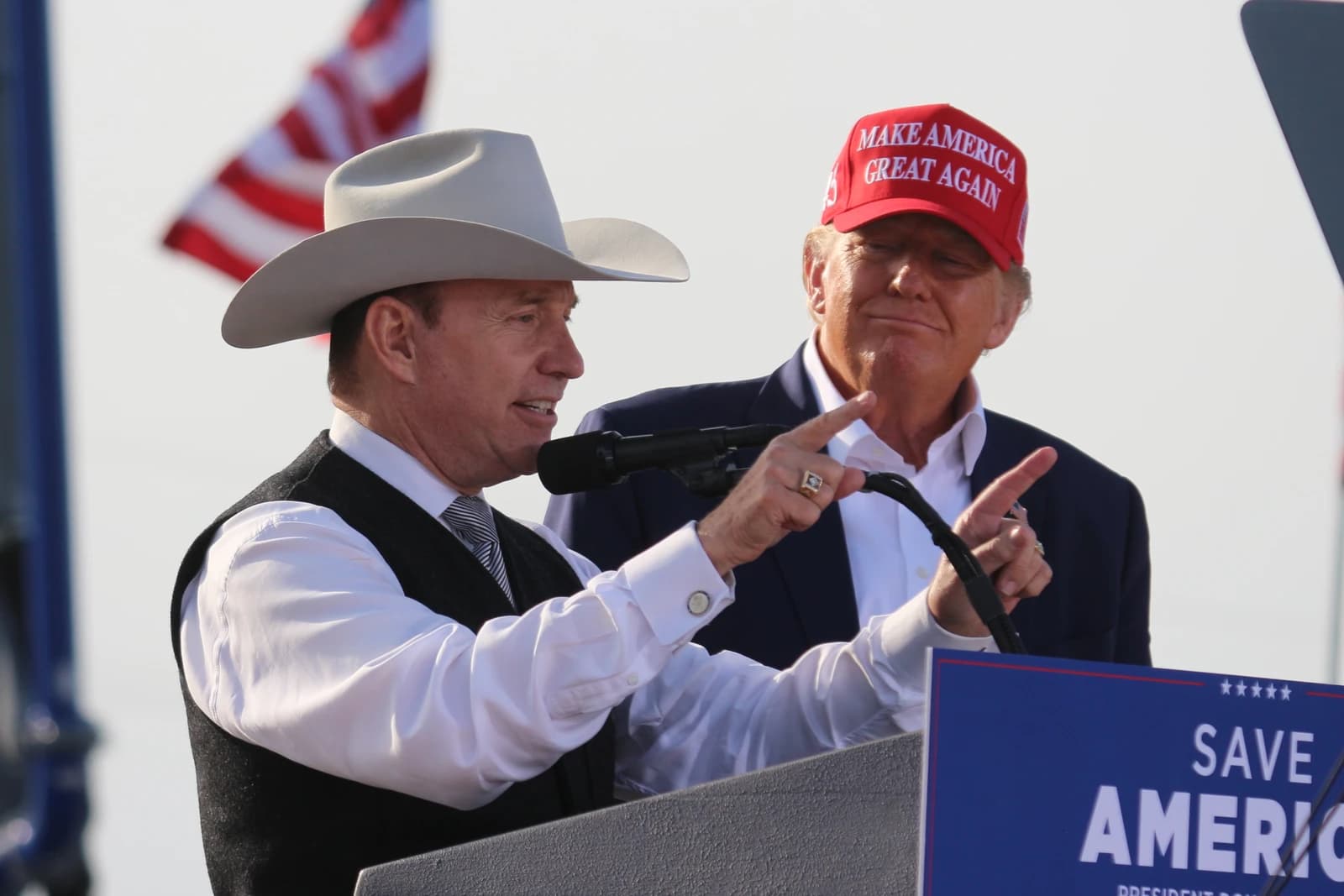
That emerging handoff is no longer just speculation. At a high-profile MAGA gathering in Dallas, Trump allies openly discussed who would inherit the movement after Trump, while Vance used the stage to showcase a more disciplined, traditional political style and draw one of the loudest reactions of the weekend. The crowd chanted “48,” a reference to the next Republican president, even as Trump stopped short of formally endorsing him.
Sentiment IndicatorsⓘProprietary · adalytica.com · October 17, 2026
This is a snapshot — live sentiment, awareness and momentum for 130+ markets update continuously in the dashboard.Open AlphaPulse
For investors, the bigger issue is what Vance’s rise implies for policy continuity. A Republican succession built around Trump’s vice president suggests a high probability that tariffs, hard-line immigration enforcement, deregulation and a confrontational foreign-policy stance would remain central in Washington after 2028, even if the rhetoric becomes more measured. That matters for sectors exposed to trade, defense, energy, industrials and multinational supply chains.
Vance is also working to broaden his appeal beyond the most reliable MAGA voters. He has leaned on his personal story, his family and his ties to conservative media figures such as Joe Rogan and Theo Von, while sidestepping the party’s most toxic flashpoints in Dallas, including tariffs, the Iran war and Trump’s proposal to hand voters $5,000 checks if Republicans keep Congress. The strategy reflects an effort to preserve the base while signaling that he can talk to less engaged or skeptical voters.
The Dallas event also underlined the central political risk for Vance: Trump still dominates the party and has not fully blessed a successor. Trump has repeatedly floated Vance and Secretary of State Marco Rubio as possible heirs, while Rubio and others keep their own 2028 ambitions alive. That leaves Republicans with a familiar problem — a clear front-runner, but no settled transition.
Vance’s most important advantage is access. He has quietly built a deeper national-security profile by seeking detailed briefings on the Iran conflict, calling commanders directly and pressing for unvarnished assessments of battlefield conditions, weapons stocks and the strain on U.S. missile defenses. That gives him credibility inside the party’s hawkish wing and helps him look more prepared for the presidency than a typical vice president.
The war itself adds another layer to the story. U.S. officials described depleted Patriot missile stocks and low inventories of key munitions after months of fighting, a reminder that Trump-era military commitments and a possible wider Middle East conflict could constrain U.S. readiness elsewhere. For markets, that keeps defense procurement, resupply contracts and Pentagon budget priorities in focus, while also increasing the risk of renewed volatility in oil and safe-haven assets if tensions flare.
The political takeaway is that Republicans appear to be coalescing around a successor, but not yet around a coronation. Vance is emerging as the strongest heir to Trump’s coalition, but his path still depends on whether he can keep the MAGA base, reassure skeptics and avoid being overshadowed by the president he is trying to succeed.
| Entity | Gains | Losses |
|---|---|---|
| JD Vance | ▲2028 frontrunner status | ▼Risks from Trump’s shadow |
| Trump loyalists | ▲Policy continuity | ▼Succession uncertainty |
| Defense contractors | ▲Higher resupply demand | ▼Supply strain headlines |
| Multinationals exposed to tariffs | ▲Clarity on trade risk | ▼Higher policy volatility |