Jordan’s latest 120,000-tonne wheat tender reportedly ended without a purchase, underscoring how softer global grain prices and uncertain supply expectations are reshaping buying behaviour across the import market.
Jordan wheat tender ends without purchase
For traders, the failure to secure cargoes is a signal that buyers are still waiting for better pricing rather than chasing supplies higher. That matters because Jordan is a regular benchmark for tenders in the Middle East, where state buyers often influence regional sentiment and help set the tone for Black Sea and EU export flows. A no-award outcome suggests sellers were not yet low enough to clear the market, even as wheat prices in Chicago and Paris have retreated from earlier highs.
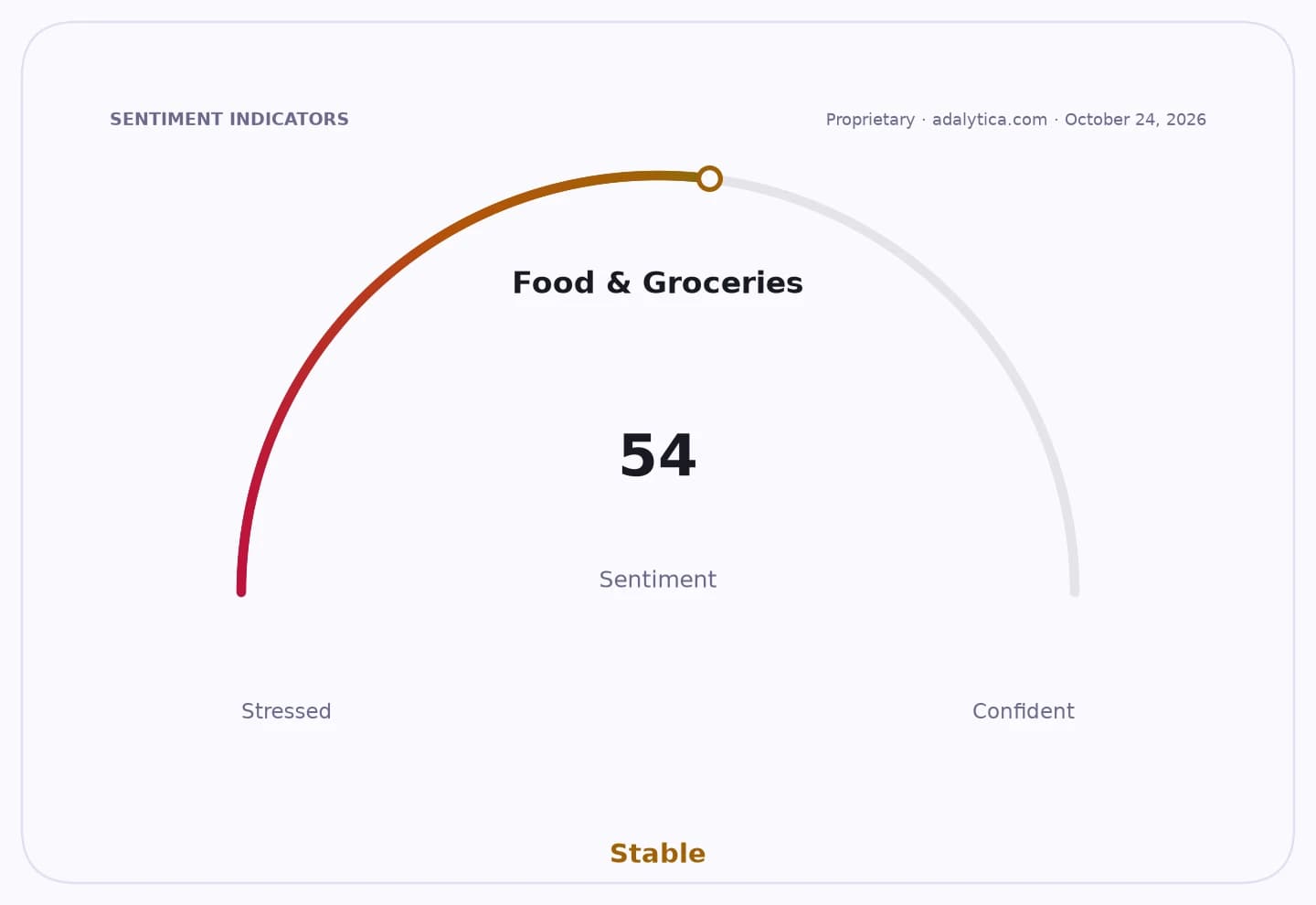
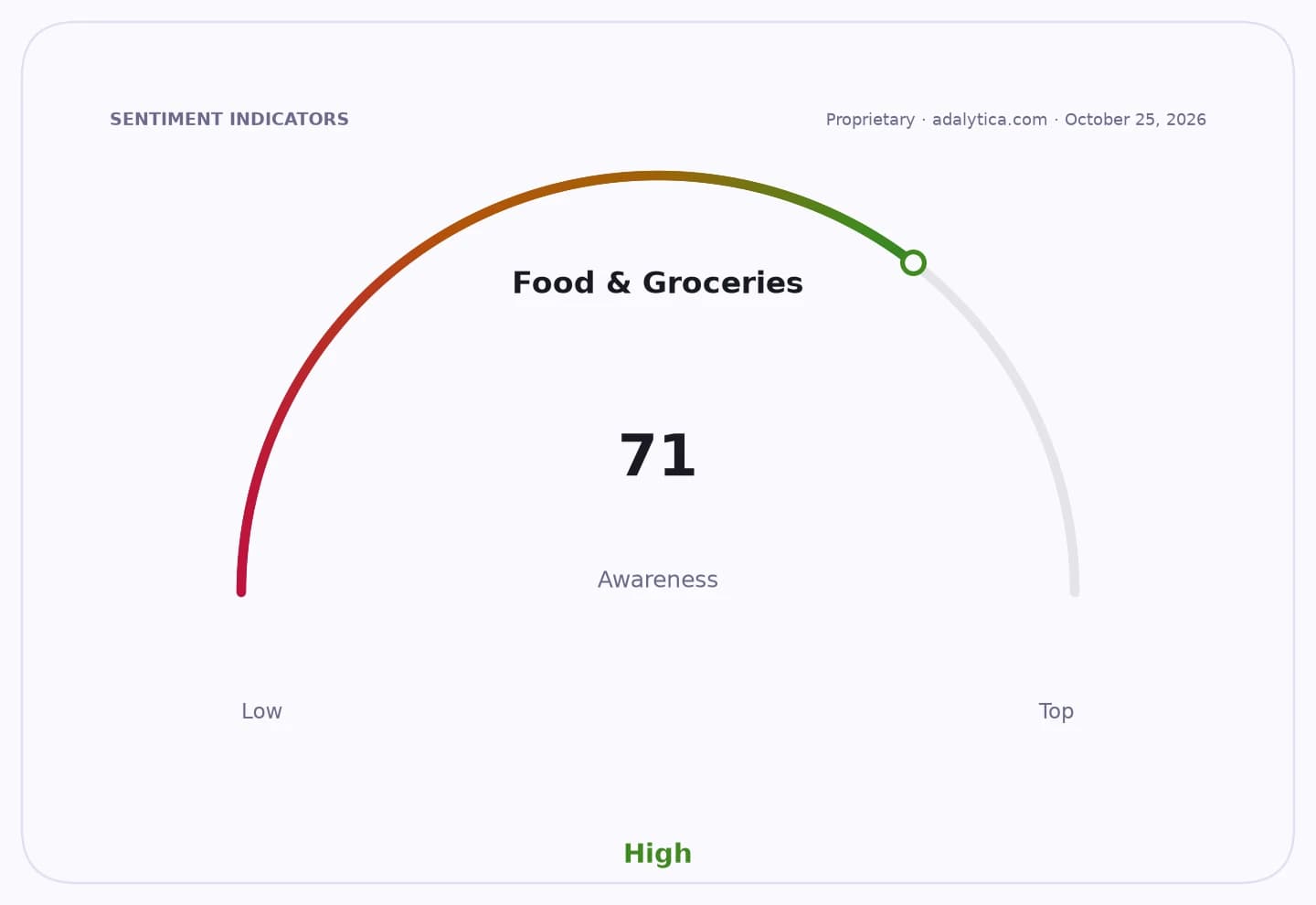
Sentiment IndicatorsⓘProprietary · adalytica.com · October 25, 2026
This is a snapshot — live sentiment, awareness and momentum for 130+ markets update continuously in the dashboard.Open AlphaPulse
The setback comes as expectations build for larger shipments from Russia and Ukraine, two suppliers that have been central to the global wheat trade since the war disrupted Black Sea logistics. At the same time, recent declines in European and Chicago wheat futures have weakened the urgency for importers to lock in cargoes. Chicago wheat tracked by the WEAT ETF has pulled back to $22.83 a share on Oct. 23 from a recent peak above $26 in July, while the broader grain complex has also softened, with corn futures and wheat-linked equities easing as supply concerns have moderated.
That price action matters economically because wheat is one of the most widely traded food staples and a key input for inflation in import-dependent economies. If tenders keep failing, it usually reflects a standoff between buyers seeking to capitalise on falling benchmarks and sellers unwilling to cut offers fast enough to match them. A prolonged stalemate can delay physical trade and keep volatility elevated in freight and basis markets, even when futures are drifting lower.
Investors are watching the grain complex for two reasons. First, repeated tender failures can pressure agribusiness earnings tied to merchandising, logistics and export origination, especially for merchants exposed to Black Sea competition. Second, lower wheat prices can ease cost pressure for food processors and consumer staples companies, but they also reduce upside for producers and agri-traders that benefit from tighter supply conditions. In equities, Nutrien has slipped to $69.74 from more than $78 in early September, while corn-linked markets have also faded from earlier highs, reflecting the broader easing in crop-price momentum.
The wider narrative is that the global wheat market is moving from scarcity anxiety toward a more price-sensitive phase. Better harvest expectations, stronger export prospects from the Black Sea and weaker futures have all made importers less willing to pay up. Jordan’s unsuccessful tender is less about one country’s procurement decision than about a market where buyers believe the next offer may be cheaper.
For now, the key question is whether sellers will eventually meet those lower bids or whether importers will have to return to market if weather, shipping or policy disruptions tighten supplies again. If export demand stays subdued, wheat prices could remain under pressure; if more tenders fail, the market may eventually test the resolve of buyers who are betting that grain keeps getting cheaper.
| Entity | Gains | Losses |
|---|---|---|
| Jordan and other importers | ▲Lower procurement costs | ▼Near-term supply coverage |
| Black Sea exporters | ▲Potential sales volume if they cut offers | ▼Pricing power |
| Wheat consumers | ▲Easier input inflation | ▼— |
| Wheat producers / grain bulls | ▲— | ▼Lower prices and weaker margins |