Unilever’s latest sales momentum is now strong enough that JPMorgan has turned constructive on the stock, upgrading the consumer giant to Overweight as investors begin to price in a more durable earnings recovery.
JPMorgan Turns Bullish on Unilever Recovery
That matters because Unilever is no longer being judged only as a slow-moving defensive name. The company’s recent trading update pointed to 5.8% sales growth, led by stronger demand for personal care brands such as Dove and Rexona, and management responded by lifting its growth and margin outlook through 2026. For long-term investors, that combination of top-line acceleration and improving profit expectations is the kind of reset that can re-rate a stock over time, especially when the business also throws off cash and pays a reliable dividend.
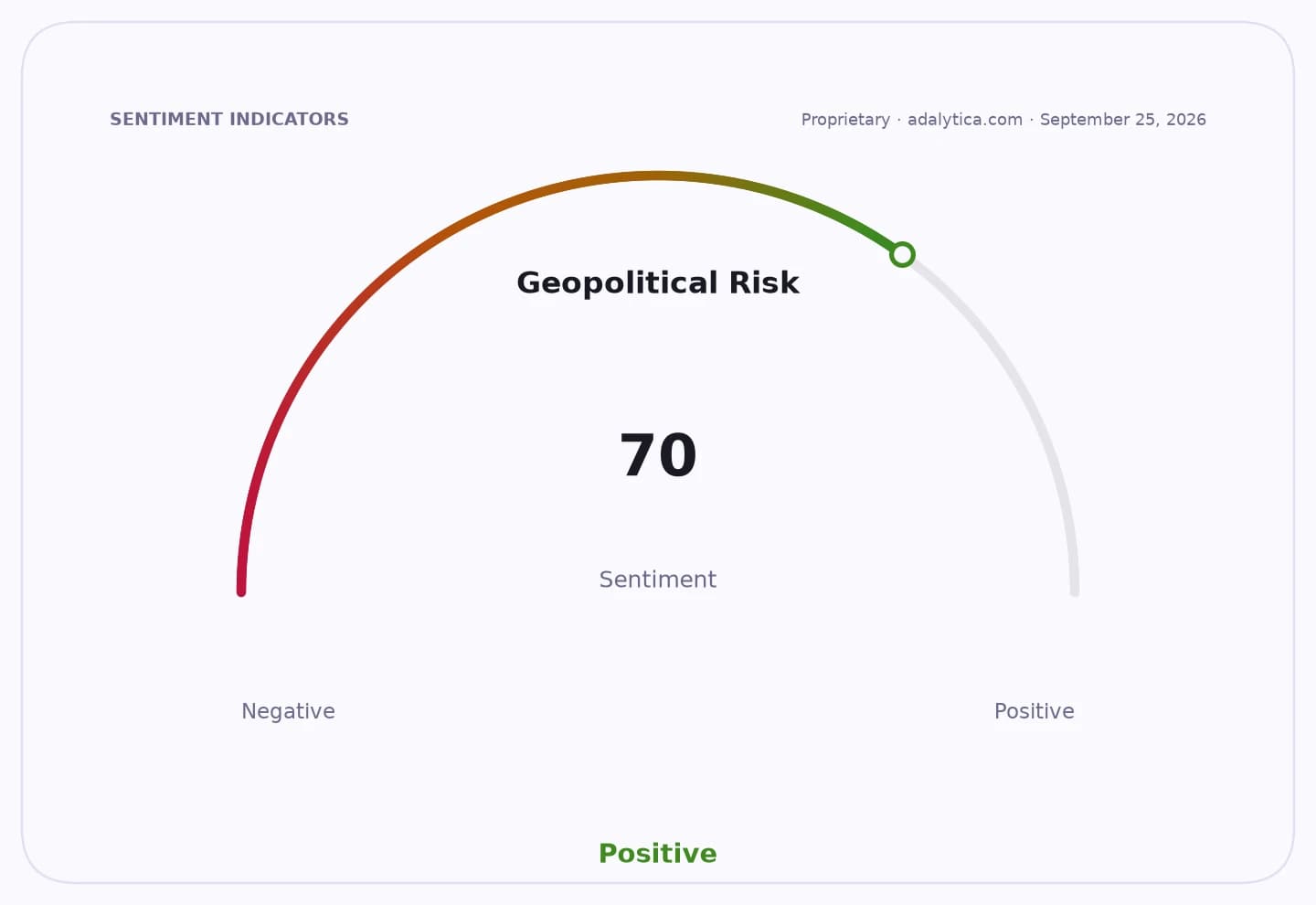
Sentiment IndicatorsⓘProprietary · adalytica.com · July 28, 2026
This is a snapshot — live sentiment, awareness and momentum for 130+ markets update continuously in the dashboard.Open AlphaPulse
The bigger story is that Unilever appears to be proving it can still grow in a sluggish consumer backdrop. Volume-led growth across its “power brands,” strength in emerging markets such as India, Indonesia and Latin America, and outperformance in North America suggest the company’s brand portfolio is doing more than just defending market share. That is important economically because multinational staples companies like Unilever sit close to the consumer pulse: when they can raise guidance, it often signals pricing power, healthier demand and better visibility on future earnings.
The market has started to notice. Unilever’s shares closed at $61.37 on July 27, up from $56.36 in late April, and the stock has recovered above its 50-day moving average. The recent move has come with technical support that looks firmer than it did during the spring slump, even though the shares remain well below last year’s highs. In plain English, investors have gone from treating Unilever as a bond proxy to considering it a genuine compounding story again.
JPMorgan’s call also fits a broader shift in how investors may want to think about consumer staples in 2026. With the U.S. dollar showing signs of weakness and global sentiment around equities staying constructive, large international brands with pricing power and exposure to emerging-market demand can become especially attractive. Unilever’s ability to combine dividend income, share buybacks and selective portfolio reshaping only strengthens that case.
There are still risks. Commodity inflation can pressure gross margins, and premium consumer demand is never perfectly steady. But Unilever’s latest update suggests the business has enough scale, brand equity and operational discipline to absorb those bumps better than many peers. For investors building wealth over five to 10 years, that is often what matters most: not excitement, but resilience, cash flow and the ability to keep compounding through different cycles.
For patient investors, JPMorgan’s upgrade is worth paying attention to. Unilever may not be the fastest stock in the market, but it is starting to look like one of the sturdier ways to own global consumer spending, and that is exactly the sort of setup long-term portfolios can reward.
| Entity | Gains | Losses |
|---|---|---|
| Unilever | ▲Higher valuation case | ▼Skeptics on stagnation |
| Long-term shareholders | ▲Better compounding outlook | ▼Short-term traders |
| JPMorgan | ▲Upgrade looks timely | ▼Bears on the stock |
| Rivals like P&G and Nestlé | ▲Less relative advantage | ▼Share against a strengthening Unilever |