JPMorgan Chase’s decision to cut off Polymarket last year over regulatory concerns is a reminder that the real bottleneck in crypto is still not technology, but access to the banking system.
JPMorgan Cuts Off Polymarket Over Regulatory Concerns
That matters because a digital-asset business can have users, product-market fit and even a rising profile, but without reliable bank partners it cannot move money efficiently, scale compliance or gain the kind of institutional trust that turns a niche product into a durable platform. For investors, the message is bigger than one prediction-market venue: the winners in crypto are likely to be the firms that can survive banking scrutiny, not just attract speculative interest.
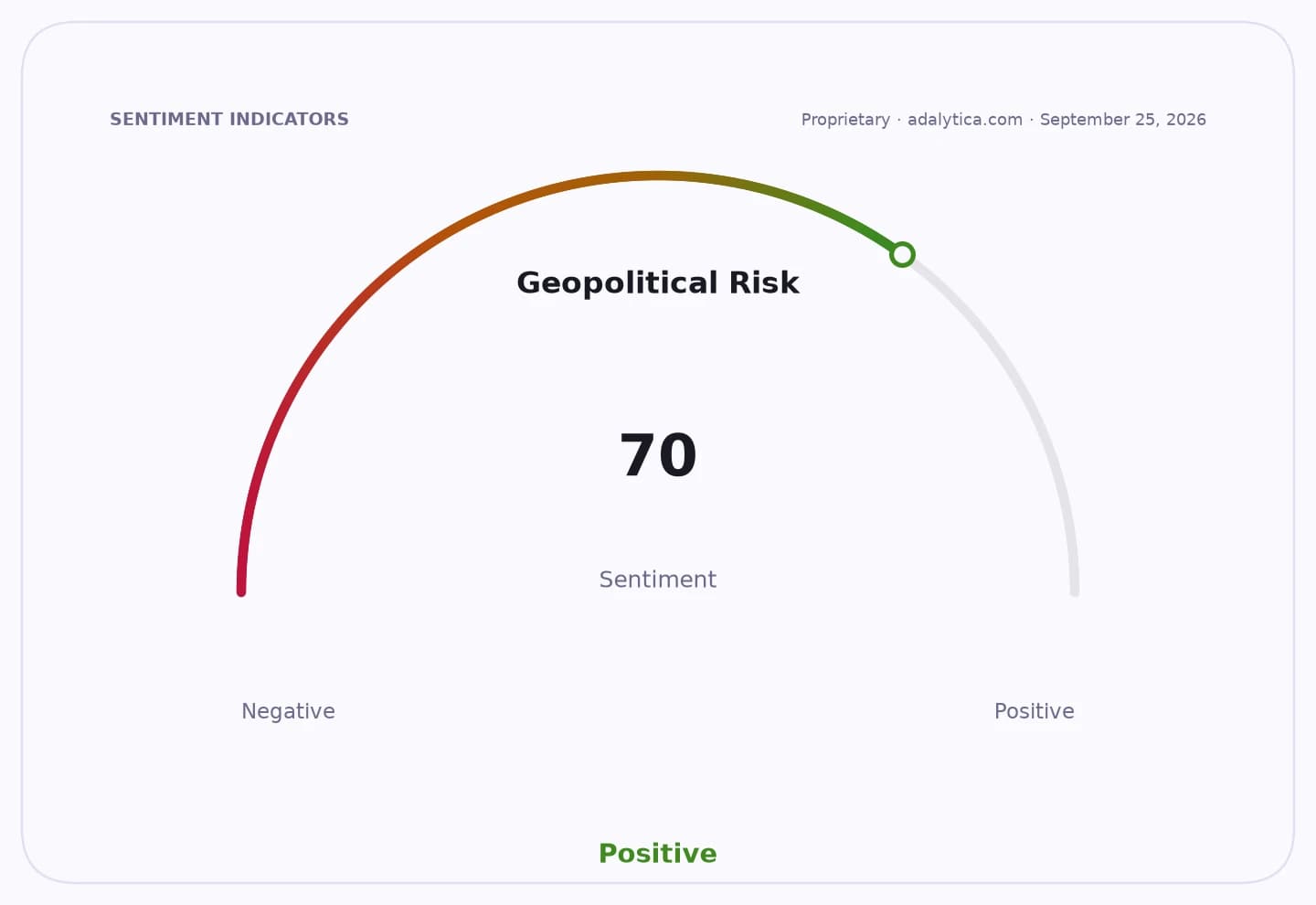
Sentiment IndicatorsⓘProprietary · adalytica.com · August 15, 2026
This is a snapshot — live sentiment, awareness and momentum for 130+ markets update continuously in the dashboard.Open AlphaPulse
Polymarket’s troubles sit squarely in a sector where regulation is increasingly shaping who gets to operate, and how. The backdrop includes tighter controls on crypto transfers in the U.K., fresh enforcement actions in the U.S. and a broader push by regulators to police stablecoins, payment rails and customer onboarding more aggressively. In that environment, a major bank’s willingness to keep a crypto client on board is not a small operational detail — it is a competitive advantage.
JPMorgan, for its part, is behaving like a bank that understands reputational and regulatory risk still outweighs the short-term revenue from fringe crypto relationships. That is especially notable because the broader market has been quick to extrapolate that mainstream finance is fully embracing digital assets. The reality is more selective. Banks may support regulated stablecoin businesses, exchange-traded products and custody services, but they are likely to remain cautious around businesses that can be viewed as legally gray or hard to supervise.
For long-term investors, that creates a useful distinction. Crypto adoption is real, but the businesses most likely to compound are often the infrastructure providers — banks, exchanges, custodians and payment platforms with strong compliance muscle — rather than the most attention-grabbing applications. Coinbase remains one of the clearest examples of a publicly traded company positioned to benefit from that shift, while JPMorgan’s own stock has held up well as investors continue to reward its fortress balance sheet and scale.
The stock charts also reflect that split. JPMorgan has been trading well above its 50-day and 200-day moving averages, while Coinbase has remained far more volatile and sits well below its longer-term trend, underscoring how much regulatory uncertainty still matters to crypto-linked names. In plain English: investors are still paying up for certainty and punishing businesses that depend on a friendlier policy climate.
The bigger takeaway is that crypto’s next leg of growth will likely be decided in boardrooms and compliance departments as much as on trading screens. If regulators keep tightening, the industry’s strongest companies will be the ones that can secure and keep bank relationships, adapt to licensing regimes and prove they are built for years, not hype cycles. That is the kind of setup long-term investors should keep on their watchlist.
| Entity | Gains | Losses |
|---|---|---|
| JPMorgan Chase | ▲Limits regulatory risk | ▼Forfeits some crypto business |
| Polymarket | ▲Pressure to professionalize | ▼Loses banking access |
| Coinbase | ▲Compliance-first credibility | ▼Slower growth than hype names |
| Crypto investors | ▲Clearer winners emerge | ▼Fewer easy speculation bets |