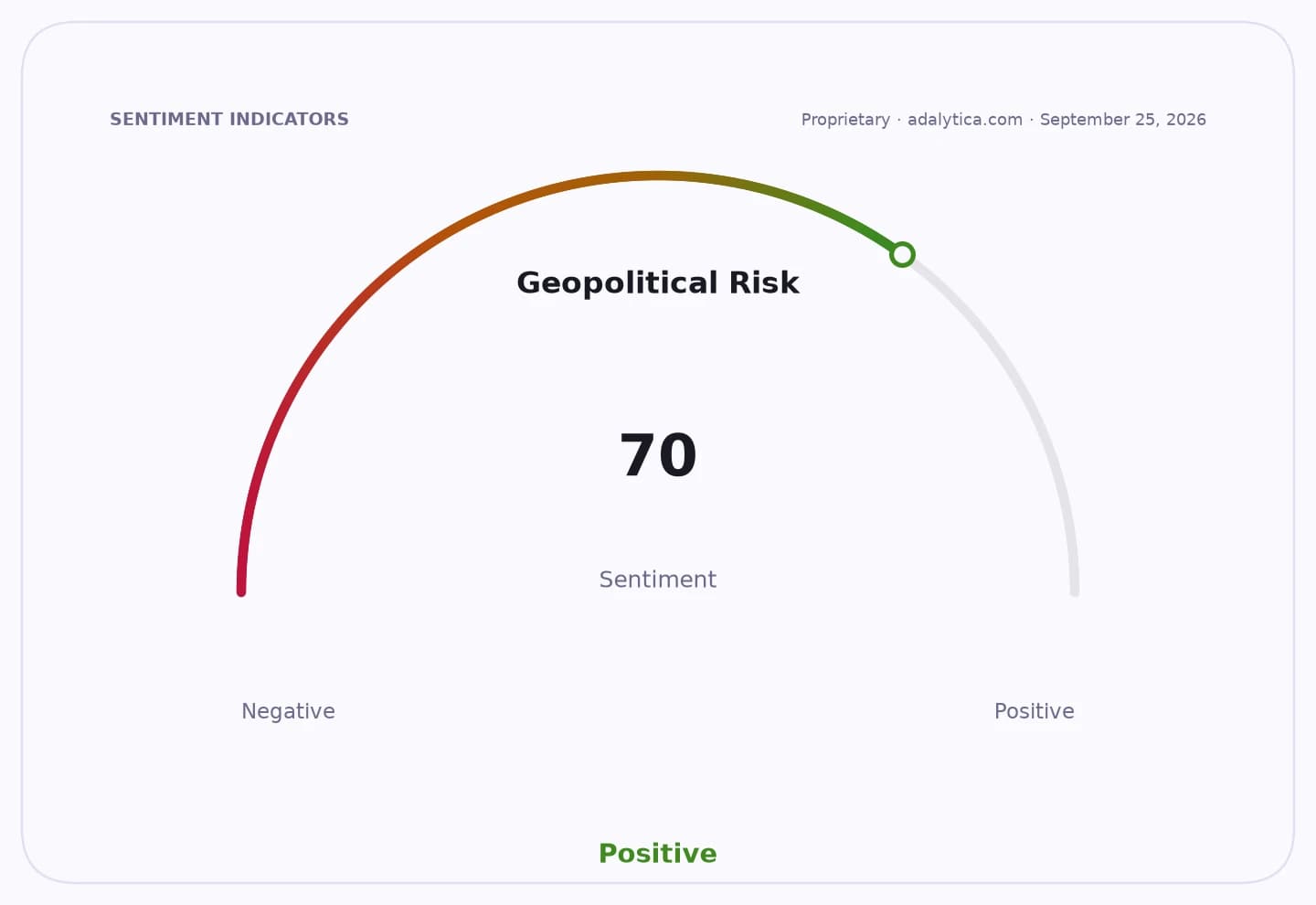
Jute prices are rising, but that is not rescuing farmers in Lalmonirhat because the crop is not getting out of the fields in time and yields are plunging, turning what should have been a cash-crop windfall into a margin squeeze for growers. The real story is not the price chart — it is the breakdown in harvest economics, where labor shortages and wage pressure are overwhelming any benefit from firmer demand.
Jute Rally Masks Bangladesh Harvest Breakdown
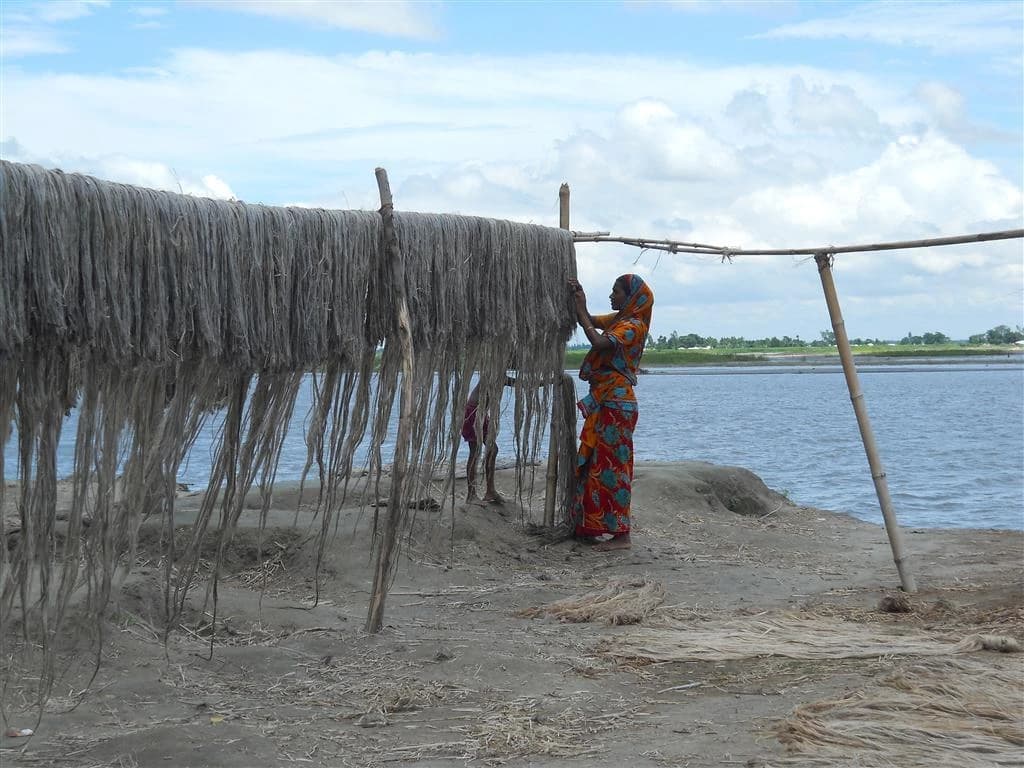
For investors and policymakers, that matters because it exposes a classic supply-side bottleneck: when production costs and field-level execution fail, higher commodity prices do not translate into farmer income, acreage retention or rural purchasing power. Jute is one of Bangladesh’s important natural-fiber exports, so falling output tightens supply just as global buyers continue to value sustainable packaging inputs and other plant-based alternatives. In other words, the market is underestimating how quickly weather, labor and rural credit stress can erase the gains from a commodity rally.
Sentiment IndicatorsⓘProprietary · adalytica.com · July 25, 2026
This is a snapshot — live sentiment, awareness and momentum for 130+ markets update continuously in the dashboard.Open AlphaPulse
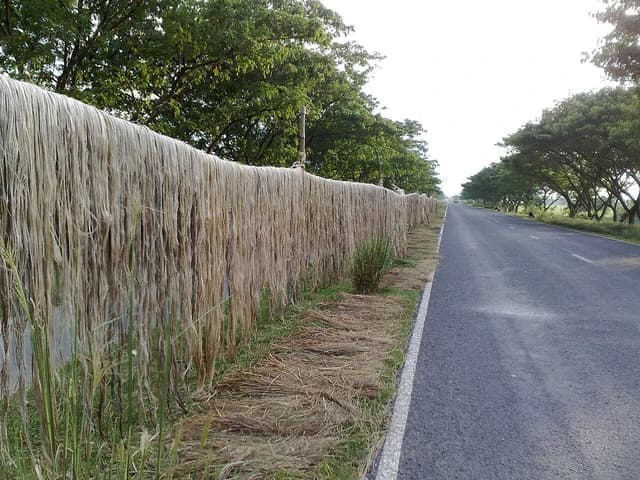
The pressure is showing up not just in villages but in the broader agri-commodity complex. U.S. producer-price data and core inflation remain elevated in the background, reinforcing the idea that input costs and wages are still sticky across food and fiber supply chains. Crude oil at roughly the mid-$80s a barrel also keeps transport, fertilizer and processing costs from easing decisively. That combination makes it harder for smallholders to absorb shocks, especially in crops like jute where harvesting is labor-intensive and timing is everything.
The market implications are broader than one district in northwestern Bangladesh. A crop that rots in the field because labor cannot be hired fast enough is a warning sign for every soft-commodity chain dependent on seasonal manpower. It also argues for a new investment lens: the winners are not just farmers with better prices, but the suppliers of mechanization, logistics, storage and crop services that can reduce harvest risk. That is the kind of second-order opportunity the market often misses until shortages become visible in earnings and exports.
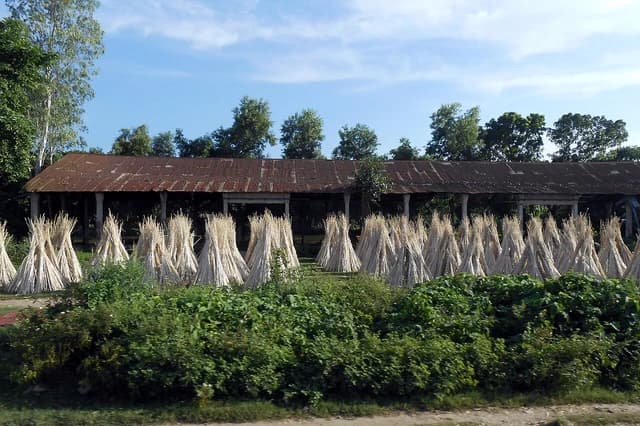
In the listed space, the message is to favor businesses with pricing power and supply-chain control over pure commodity exposure. Jute-related stress strengthens the case for agribusinesses and processors that can source efficiently, hedge input costs and capture share when weaker growers are forced out. If the labor crunch persists into the next harvest cycle, the rally in jute prices may prove less important than the structural decline in usable output — and that is when the best opportunities emerge for the companies built to profit from scarcity.
| Entity | Gains | Losses |
|---|---|---|
| Jute traders/exporters with inventory | ▲Higher selling prices | ▼Less usable supply |
| Lalmonirhat farmers | ▲Little from price surge | ▼Lower yields, higher labor costs |
| Labor-saving agri-service firms | ▲More demand for mechanization | ▼N/A |
| Downstream buyers of jute fiber | ▲Potential supply tightness | ▼Higher input costs |