Karnataka consumers are getting relief on a staple food item as new Sona Masuri rice prices fall by as much as ₹20 a kg after a jump in arrivals from Maharashtra and Telangana eased a supply squeeze.
Karnataka Sona Masuri rice prices fall on higher arrivals
Retail prices, which had climbed to about ₹80 to ₹90 per kg, are now around ₹65 to ₹70 per kg, while wholesale paddy rates have dropped roughly ₹2,000 a quintal to about ₹6,500, according to local trade representatives. The move matters because rice is a household essential, and even a modest price decline can ease pressure on family budgets and broader food inflation.
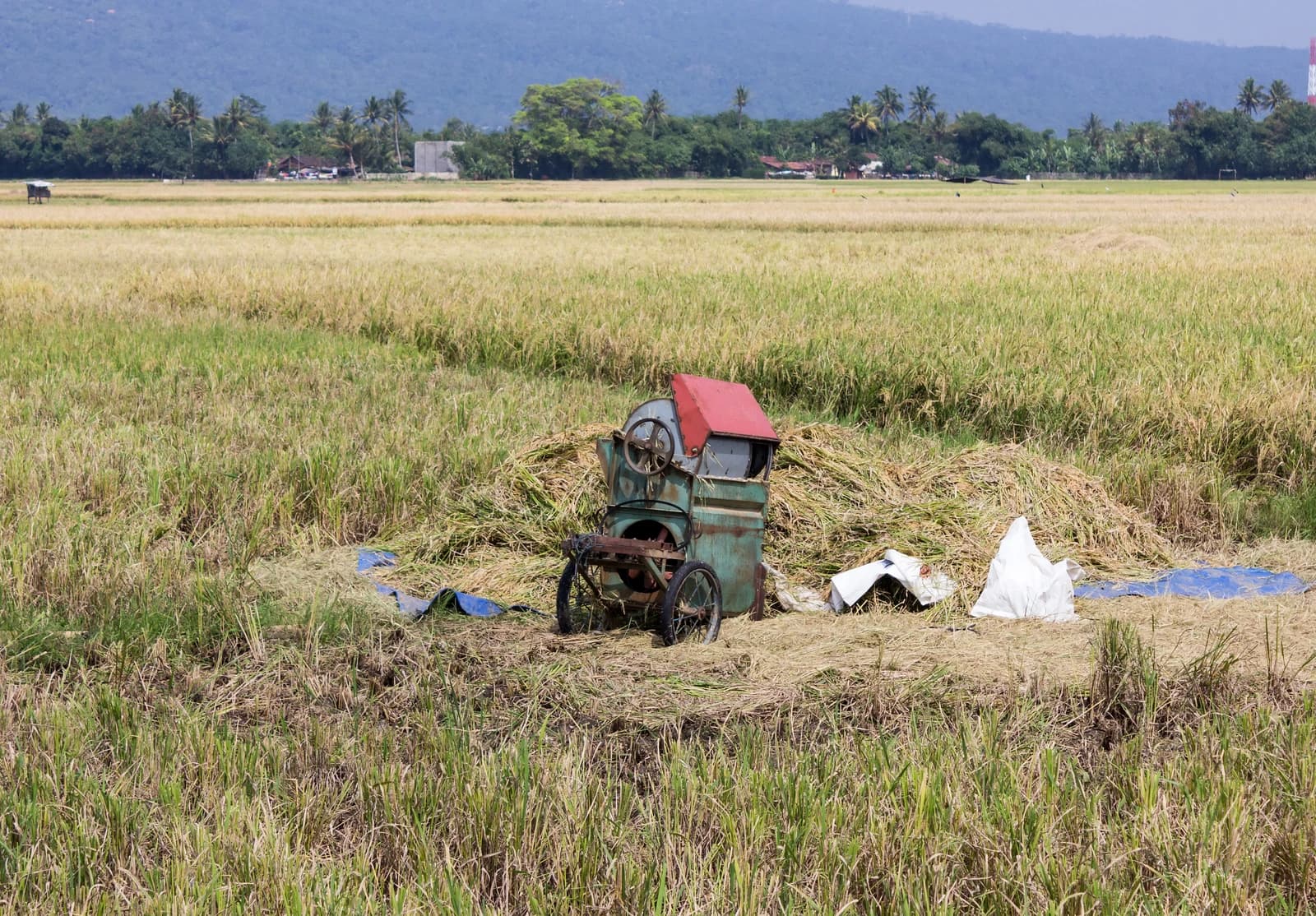
The trigger is a seasonal supply rebound. Harvested paddy from Maharashtra and Telangana is now reaching rice mills in larger volumes, reversing the tighter market that had pushed prices higher earlier. Industry representatives said the improved flow of grain is restoring availability after production was weaker in parts of the Tungabhadra basin, while output was stronger in the Krishna basin.
For millers, the price drop helps clear some of the immediate cost pressure, but it also raises a new question: how long the relief lasts. Rice mill owners are urging the government to raise stock limits, warning that tighter rules could constrain inventories and push prices back up if arrivals slow later in the year.
Investors in the broader agri and food complex will read the decline as a local sign of easing input costs, even as the wider rice market remains sensitive to weather, production and policy. The broader backdrop still includes elevated rice prices across parts of Asia, so Karnataka’s move lower looks more like a supply-driven correction than a lasting disinflation trend.
The next catalyst is whether current arrivals continue through the season and whether policymakers adjust stock rules. If summer supply tightens again, the recent drop in Sona Masuri prices could prove temporary.
| Entity | Gains | Losses |
|---|---|---|
| Karnataka households | ▲Lower grocery bills | ▼Less urgency for price relief |
| Rice millers | ▲Easier paddy procurement | ▼Margin pressure if stocks tighten |
| Farmers with paddy | ▲Better prices during earlier squeeze | ▼Lower selling prices now |
| Consumers in higher-price markets | ▲Benchmark for easing supply | ▼No immediate relief if shortages persist |