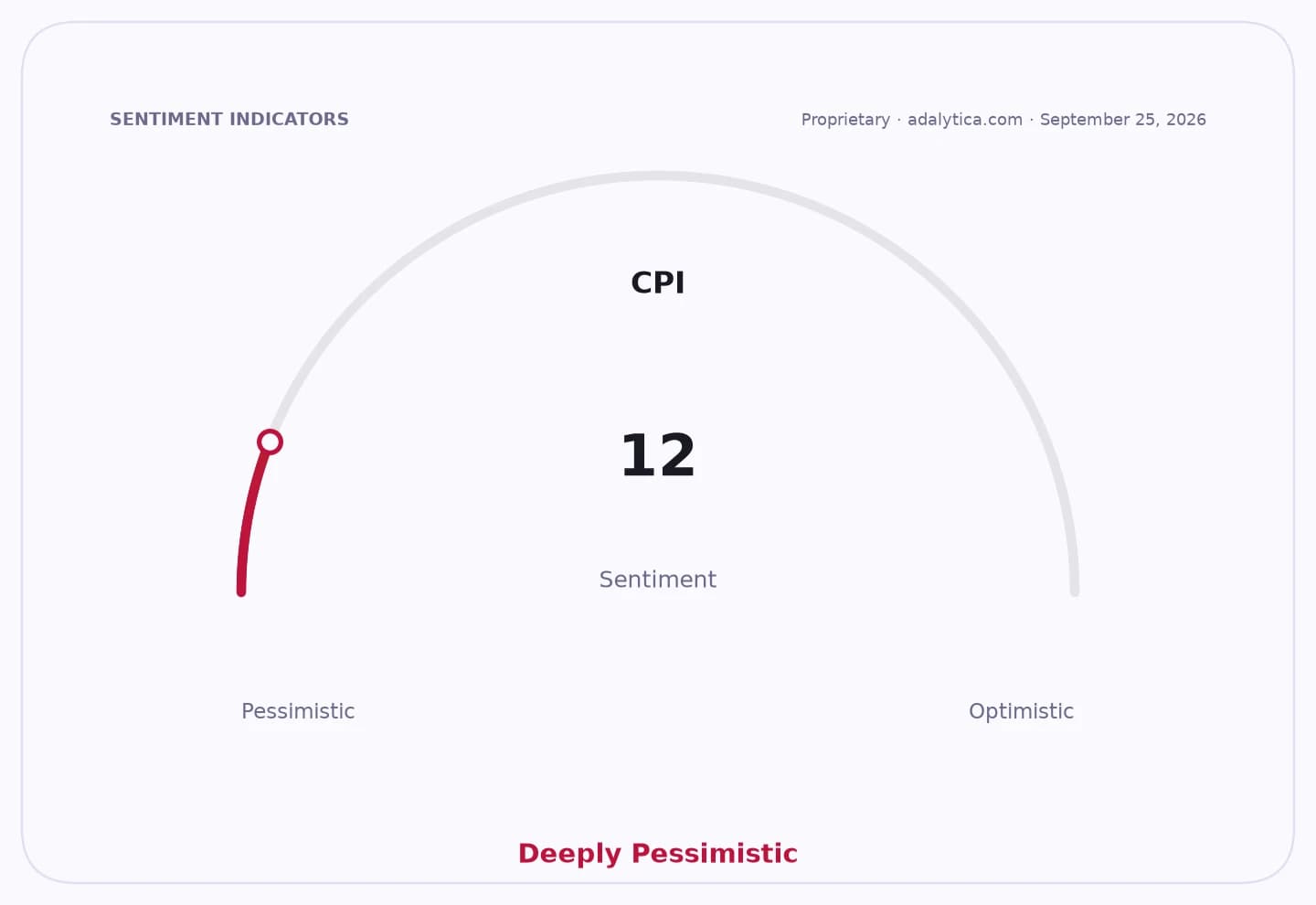
Kazakhstan’s report that it has harvested 461,200 tonnes of wheat since the start of the season matters less as a local agricultural update than as a signal on Black Sea and Central Asian grain supply at a time when weather and policy are keeping wheat markets tight.
Kazakh Wheat Harvest Eases Tight Supply Concerns
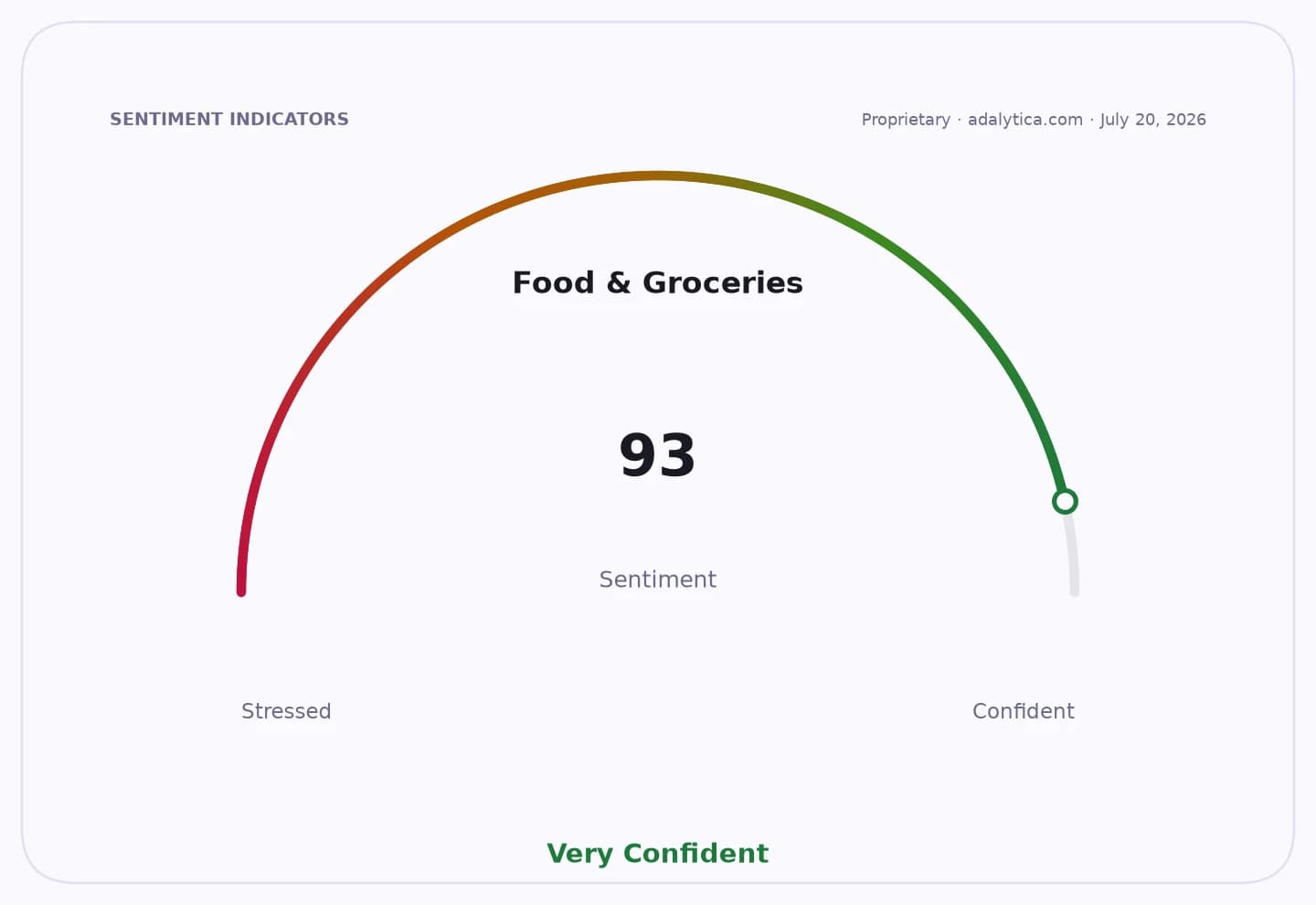
The immediate economic significance is that Kazakhstan is one of the region’s key exporters into nearby import-dependent markets, and any confirmation that the harvest is moving early and in volume helps determine how much grain will be available for domestic milling, regional trade and onward shipment later in the season. With Kazakhstan also imposing a temporary ban on wheat imports, the balance between domestic supply, exportable surplus and price stability becomes even more important for farmers, traders and food buyers.
Sentiment IndicatorsⓘProprietary · adalytica.com · July 20, 2026
This is a snapshot — live sentiment, awareness and momentum for 130+ markets update continuously in the dashboard.Open AlphaPulse
For global markets, the number feeds into a broader question: whether this year’s crop can offset pockets of weakness elsewhere. Harvest conditions across Europe and the wider region have been uneven, with France reporting a 4% decline in wheat yields and growers in places such as Hatay facing extreme heat and water stress. Against that backdrop, Kazakhstan’s progress suggests not a bumper global year, but a partial cushion in a market that remains sensitive to weather disruption and policy interventions.
That is why wheat futures have stayed reactive even when headlines are locally positive. The WEAT exchange-traded fund, a proxy for wheat prices, has climbed sharply in recent sessions and on Friday closed at 25.25, above its 50-day and 200-day moving averages, with a relative strength index above 80, a reading that often points to an overextended rally. Corn prices have been steadier, but wheat’s move reflects trader concern that supply relief may be uneven and short-lived.
The macro backdrop also matters. US producer prices for agricultural goods are forecast to edge higher, while consumer inflation remains elevated by historical standards, keeping food costs politically sensitive. Any harvest disappointment in export regions can quickly ripple through milling, feed and processed-food chains, especially when freight, energy and geopolitical risks remain in the mix. Kazakhstan’s crop update is therefore being read not just as an agricultural milestone, but as a data point on future food inflation and export availability.
The bullish case for buyers is that a reasonable Kazakh harvest could add liquidity to the regional market and ease pressure on importers in the months ahead. The bearish case is that early-season tonnage does not guarantee final yields, exportable quality or smooth logistics, especially if weather turns or if domestic policy keeps more grain at home.
For investors, the key question is whether Kazakhstan’s crop becomes part of a broader supply normalization or merely a temporary pause in a still-fragile wheat market. Traders will be watching the pace of the harvest, official yield revisions, export policy and whether other major producing regions can match the output needed to cool prices.
| Entity | Gains | Losses |
|---|---|---|
| Kazakh farmers | ▲Early harvest progress | ▼Weather and yield risk |
| Local millers / consumers | ▲Potential domestic supply | ▼Higher policy restrictions |
| Wheat buyers / importers | ▲More regional supply | ▼Price volatility |
| Wheat longs | ▲Momentum if shortages persist | ▼If harvests improve further |