Kazakhstan’s plan to draw 7.5 trillion tenge into coal generation is a blunt reminder that energy security is still trumping the clean-power narrative in parts of Asia and Eurasia, and investors should read that as a capital-allocation signal, not just a policy headline.
Kazakhstan Plans 7.5 Trillion Tenge for Coal Power
For a country sitting on vast fossil-fuel resources and a power system still exposed to supply bottlenecks, the move underscores a simple economic truth: industrial growth, grid stability and heating demand often force governments to choose dispatchable generation over faster but less reliable alternatives. In dollar terms, the investment is roughly $16 billion at current exchange rates — large enough to shape construction, equipment procurement, fuel logistics and regional power markets for years.
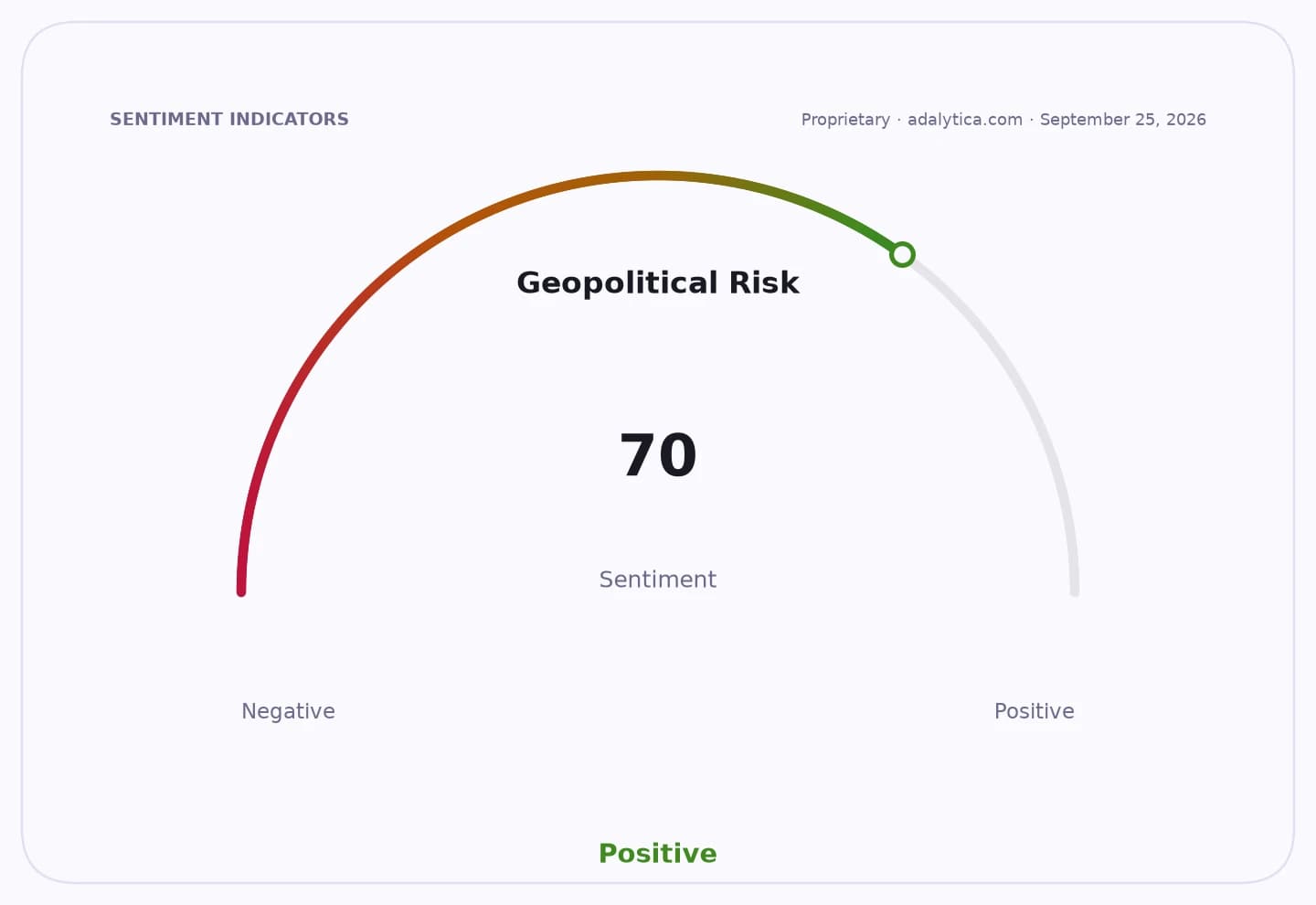
Sentiment IndicatorsⓘProprietary · adalytica.com · August 20, 2026
This is a snapshot — live sentiment, awareness and momentum for 130+ markets update continuously in the dashboard.Open AlphaPulse
That matters because coal is not being revived in a vacuum. Global oil prices are back near $86 a barrel, U.S. 10-year yields are around 4.7%, and the macro backdrop still favors hard-asset projects that can produce cash flow in an inflation-prone world. At the same time, Adalytica’s Coal Fear & Greed Index is at 100, or “Extreme Greed,” while its global stability gauge shows “Extreme Fear,” a combination that usually appears when investors are rotating toward assets tied to security, reliability and immediate returns.
The economics also help explain why coal capital keeps finding buyers even as the energy transition advances. Thungela Resources recently more than doubled half-year profit on stronger coal prices and better rail logistics, while Peabody Energy’s shares have been volatile but still trade well above their spring lows, with the stock closing at $26.85 on Aug. 19 after a rebound from the low-$20s. The broader message is that coal is no longer being priced as a single-direction decline story; it is being treated as a strategic bridge fuel with regional scarcity value.
Kazakhstan’s project could therefore benefit a wider ecosystem than the utility sector alone. Engineering firms, boiler and turbine suppliers, rail operators, mine developers and high-voltage grid contractors all stand to gain if the spending translates into new baseload capacity. The losers are equally clear: gas-fired rivals, renewable developers competing for capital, and carbon-sensitive investors who assumed emerging-market utilities would leapfrog directly to cleaner systems.
For investors, the thesis is not to chase coal as a moral argument. It is to recognize that underinvested grid infrastructure, sanctions-era trade shifts and industrial power demand are creating pockets of durable demand where conventional generation still wins on cost and reliability. Russia’s stronger coal exports to India and firmer coal burn in parts of Europe reinforce that this is a global pattern, not a local exception.
The next catalyst will be execution: project awards, financing terms, equipment orders and whether Kazakhstan can translate the headline commitment into steel in the ground. If it does, coal-linked suppliers and logistics names are likely to remain in the market’s sweet spot far longer than consensus expects.
| Entity | Gains | Losses |
|---|---|---|
| Kazakhstan utilities/state planners | ▲Grid reliability | ▼Transition flexibility |
| Coal miners and equipment suppliers | ▲New capex demand | ▼Clean-energy rivals |
| Rail and logistics operators | ▲Higher freight volumes | ▼Gas/LNG alternatives |
| Renewable developers | ▲Policy pressure eases less | ▼Funding priority |