Kyzylorda’s decision to cut rice acreage by 11,000 hectares and plant grain corn instead is a practical sign that water scarcity is forcing a more profitable and resilient crop mix in one of Kazakhstan’s most vulnerable farm regions.
Kazakhstan Cuts Rice Acreage for Corn
That matters because rice is one of the most water-intensive staples, and the switch points to a broader reallocation of scarce irrigation toward crops that can deliver higher returns with less strain on local water systems. For farmers, the change is less about agronomy than economics: when water becomes the limiting input, the best crop is often the one that protects yields, cash flow and land productivity rather than the one with the longest tradition.
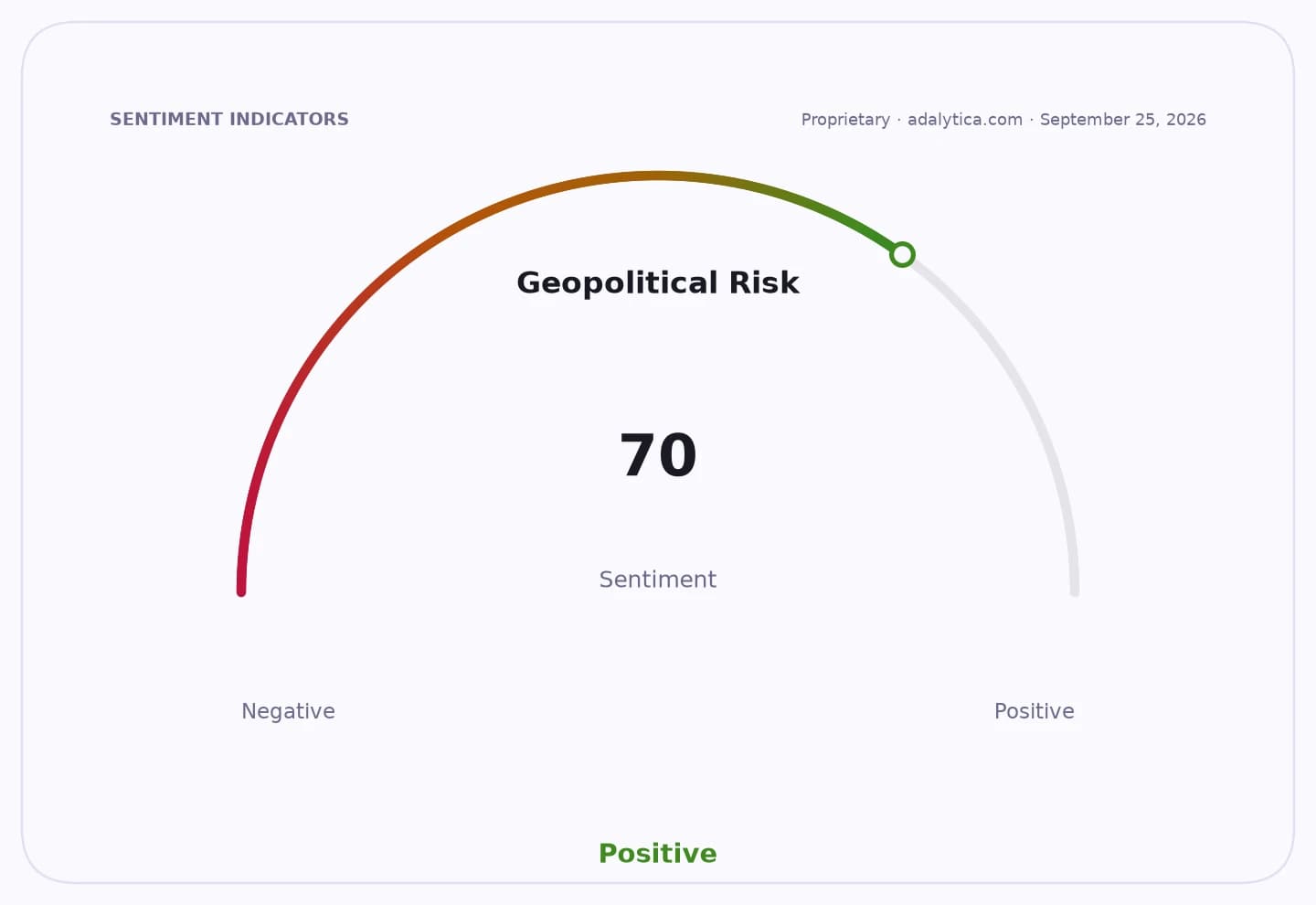
Sentiment IndicatorsⓘProprietary · adalytica.com · July 17, 2026
This is a snapshot — live sentiment, awareness and momentum for 130+ markets update continuously in the dashboard.Open AlphaPulse
The shift also carries market implications beyond Kyzylorda. Grain corn tends to fit better into a diversified production model, and if the move holds, it could gradually trim pressure on domestic water infrastructure while giving producers more flexibility to respond to prices. That is especially important in a region where agriculture is tied to food security and rural employment, because a crop mix that is easier to sustain can be more valuable over time than chasing maximum acreage in a water-constrained basin.
Commodity markets are already telling a similar story. Corn has been firm, with the U.S.-listed CORN product trading around 17.78 and sitting just above its 50-day moving average, while wheat via WEAT was recently stronger, closing at 25.25 and well above its 50- and 200-day averages. The broader DBA agriculture fund has also pushed higher, reflecting a market that remains sensitive to supply risks, weather and policy shifts across grains. In other words, investors are paying attention to how fragile the crop balance can be when weather and water become strategic variables.
Oil prices add another layer to the investment case. Brent and WTI have been volatile, with WTI around $78 a barrel in the latest forecast after a sharp year-to-date swing. That matters because energy costs feed directly into fertilizer, transport and farm operating expenses. For growers already dealing with tighter water availability, a more efficient crop rotation can be a useful hedge against both climate stress and input inflation.
The long-term narrative here is not simply that Kyzylorda planted less rice. It is that agriculture is becoming a capital-allocation story. Regions that can adapt their acreage to water reality, market prices and input costs will be better positioned than those trying to preserve yesterday’s crop mix. That should help the most flexible producers, input suppliers tied to corn and diversified grains, and agricultural funds exposed to resilient acreage. It is less favorable for rice growers, water-intensive production models and any operator dependent on generous irrigation assumptions.
For investors, the lesson is straightforward: climate pressure is increasingly reshaping agricultural returns, and diversification across crop types, regions and ag-related businesses may be the best way to own that trend for the next decade. This is the kind of shift worth watching, because the winners will likely be the farms and companies that can adapt before scarcity becomes the market’s new normal.
| Entity | Gains | Losses |
|---|---|---|
| Corn growers | ▲More acreage and demand | ▼— |
| Rice growers | ▲— | ▼Less planted area |
| Water-stressed regions | ▲Better resource use | ▼Traditional rice systems |
| Ag investors with diversified exposure | ▲More resilient earnings mix | ▼Single-crop concentration |