Kazakhstan’s planned sweep of utility and energy infrastructure is becoming more than a domestic modernization push: it is now a test of how far Astana can upgrade a brittle system while keeping trade, transport and security links with Russia intact. That matters because the country sits at the heart of Central Asia’s energy and transit map, and any successful overhaul could reprice everything from regulated power assets to pipeline and grid suppliers across the region.
Kazakhstan Utilities Could Enter a Capex Supercycle
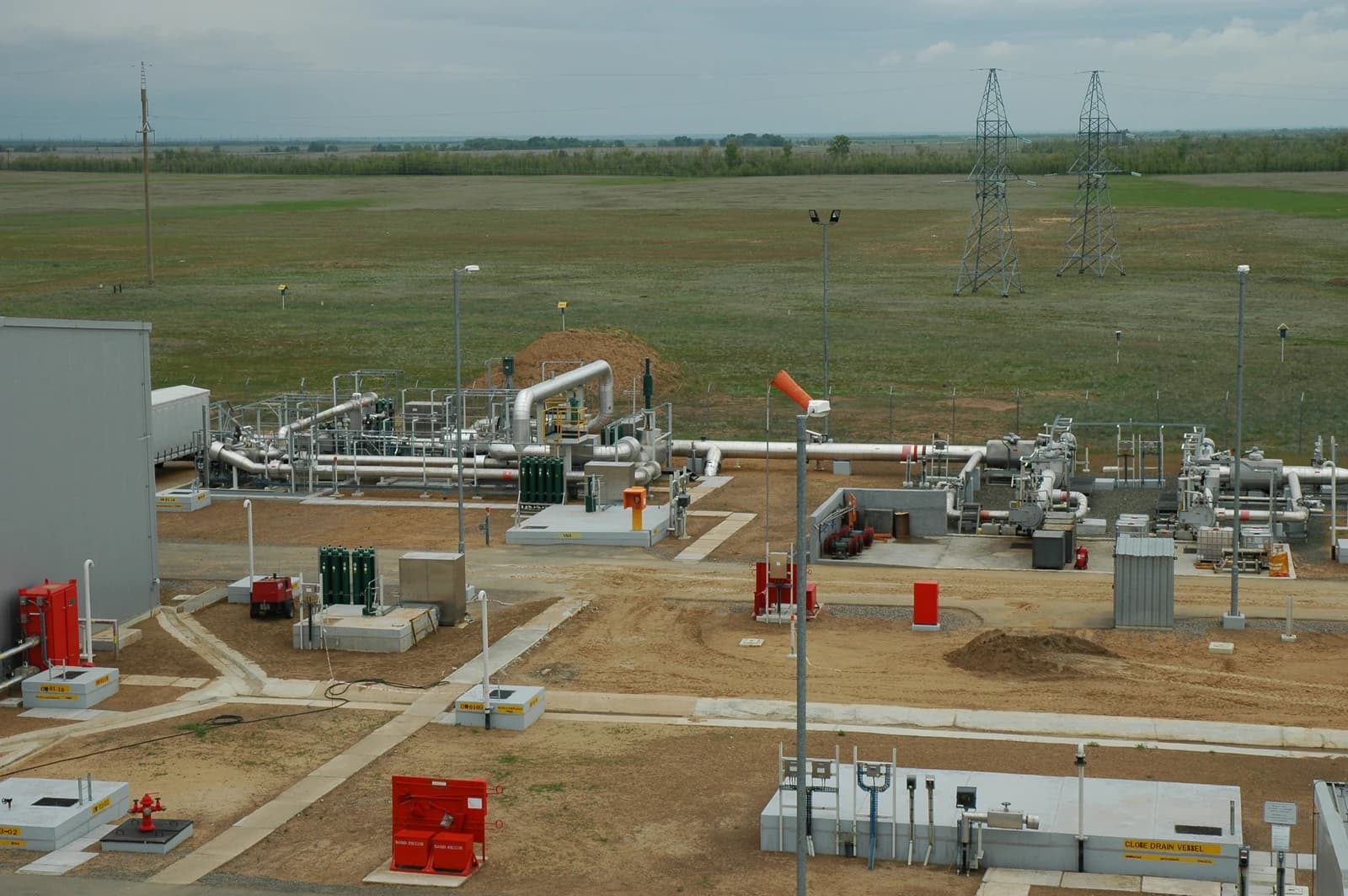
The big economic story is not just higher spending on wires, water and generation. It is the prospect of a multi-year capex cycle in a country where utilities have long lagged inflation, underinvestment has strained networks, and the cost of deferred maintenance is rising. If Kazakhstan follows through, the state will have to allow higher tariffs, more private participation or both. Either way, utilities are moving from low-return stagnation toward a more investable, inflation-linked asset class.
That shift is unfolding alongside an uneasy geopolitical backdrop. President Kassym-Jomart Tokayev has publicly pressed Vladimir Putin to seek an end to the war in Ukraine even as he reaffirmed Russia as a key partner. Kremlin spokesman Dmitry Peskov, meanwhile, has framed attacks on the Caspian Pipeline Consortium as assaults on Russia, Kazakhstan and the United States. The message to investors is clear: Kazakhstan’s infrastructure ambitions are tied to regional security, and the country’s utility and transport network cannot be valued in isolation from the Russia-Ukraine conflict.
Oil prices add another layer to the thesis. Brent-linked energy revenues and domestic fuel economics remain sensitive to crude, and recent West Texas Intermediate moves around the mid-$80s a barrel keep the fiscal backdrop supportive for capex, even if they also raise input costs for utilities and heavy industry. For investors, that means the winners are likely to be the toll-collectors on infrastructure rather than the energy consumers exposed to higher operating costs.
The market underestimates how much this creates a pick-and-shovel opportunity. Grid equipment makers, gas distribution contractors, power generators, telecom and digital corridor enablers, and infrastructure lenders all stand to benefit if Kazakhstan converts diplomatic intent into actual spending. The most attractive exposure is likely to be through companies and funds tied to regulated infrastructure, transmission, and industrial electrification, where returns can compound as tariffs reset and network upgrades accelerate.
The risk, of course, is execution. Kazakhstan must balance affordability, political stability and Russian dependence while funding upgrades that have been delayed for years. But that tension is exactly why the opportunity is asymmetric: if reforms stall, utilities remain trapped; if they proceed, the rerating can be substantial. I believe investors should treat Kazakhstan’s utility overhaul as an early-stage infrastructure and geopolitics trade, not a local maintenance story.
| Entity | Gains | Losses |
|---|---|---|
| Kazakhstan utility operators | ▲Higher tariffs, capex recovery | ▼Legacy low-return model |
| Grid and equipment suppliers | ▲Multi-year order flow | ▼Deferred spending cycle |
| Kazakhstan government | ▲Better infrastructure, stronger control | ▼Higher subsidy pressure |
| Energy consumers/importers | ▲None | ▼Higher operating costs |