Kazakhstan’s decision to raise wages is a political acknowledgment of the real economic pain many households are feeling: nominal growth is not translating into better living standards because inflation is eating incomes faster than paychecks can rise.
Kazakhstan Wage Hike Highlights Inflation Pressure
That is the key investment and policy takeaway. A government can raise wages, but if prices are still climbing faster, real purchasing power keeps slipping. Kazakhstan’s latest inflation backdrop shows why the pressure is so persistent: consumer prices in the broader inflation context have continued to rise, while the economy has posted solid GDP growth. That gap between output and household welfare is exactly where the social tension is forming.
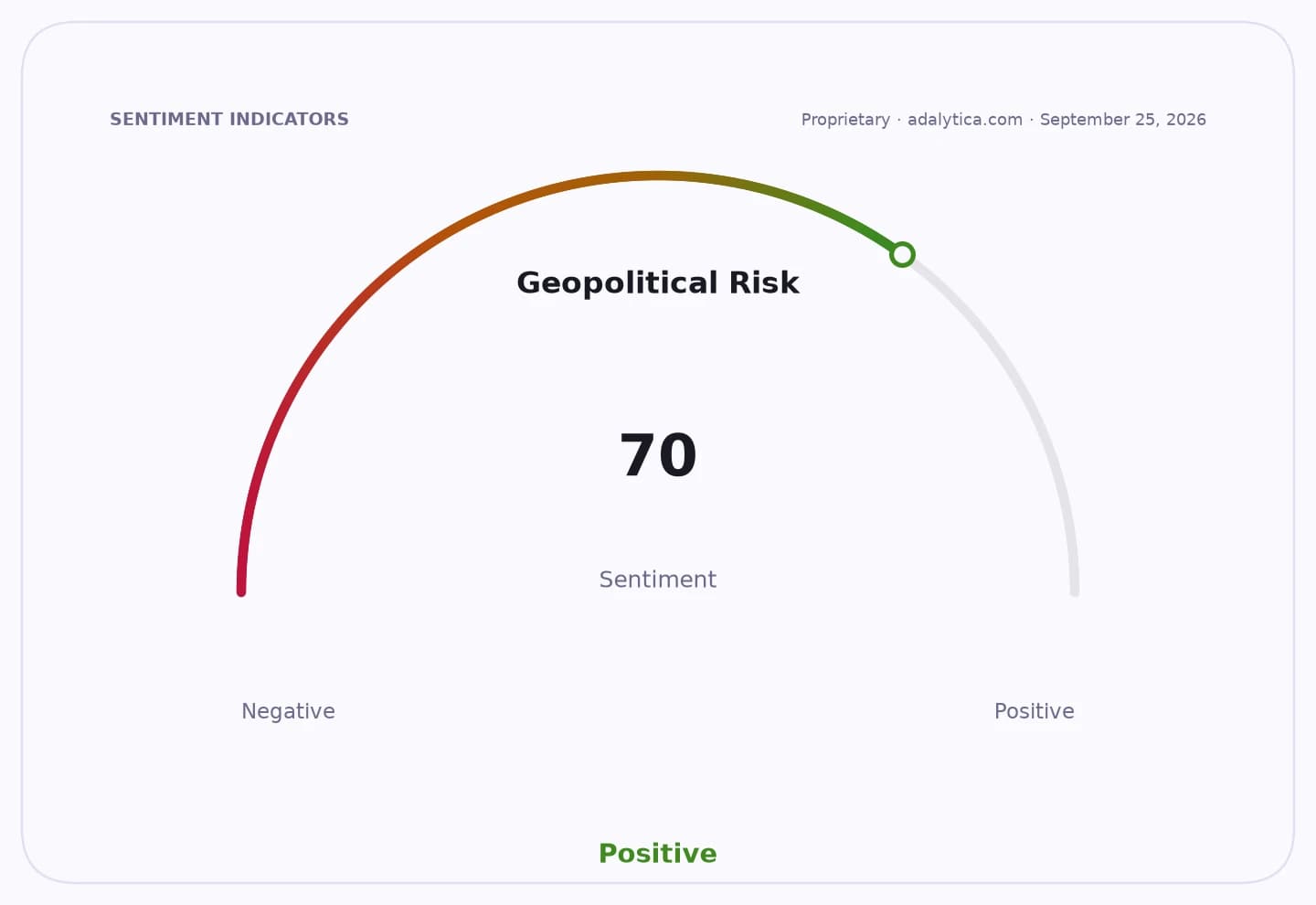
Sentiment IndicatorsⓘProprietary · adalytica.com · July 23, 2026
This is a snapshot — live sentiment, awareness and momentum for 130+ markets update continuously in the dashboard.Open AlphaPulse
The macro message is straightforward. GDP growth tells you the economy is expanding; it does not tell you who is capturing that growth. When wage growth lags inflation, the benefit of expansion flows to producers, exporters and asset owners rather than to workers. In resource-heavy economies like Kazakhstan, that often means commodity income can lift headline growth while imported inflation, currency swings and food costs squeeze consumers. The result is a classic emerging-market imbalance: stronger GDP on paper, weaker real incomes in practice.
For investors, that matters because it shapes policy. Governments that feel real-income pressure usually lean toward higher public wages, subsidies, or administratively guided support for households. That can temporarily stabilize consumption, but it also risks keeping inflation sticky and narrowing the room for central banks to ease. In other words, the wage hike may be necessary socially, but it is not the same as solving the inflation problem.
The market implication is that the winners are likely to be exporters and hard-currency earners, while domestic-facing businesses tied to consumer discretionary spending may continue to face margin pressure and cautious demand. If the state keeps lifting wages faster than productivity, the long-term winners are not necessarily workers — they are sectors with pricing power, foreign revenue, or exposure to inflation hedges. That is why the market underestimates the durability of inflation-adjusted demand weakness even when headline GDP looks healthy.
There is also a currency angle. A country can grow in nominal terms and still see household stress if the currency and price level do not cooperate. The broader U.S. dollar backdrop, with trade-signal sentiment flashing elevated greed, underscores how sensitive emerging markets remain to global liquidity and dollar strength. When the dollar firming cycle returns, it usually makes imported inflation harder to tame and reduces policy flexibility for countries trying to protect real incomes.
The investment thesis here is not to chase the headline wage boost. It is to position for the second-order effects: inflation protection, exporters, and businesses with the power to pass on costs. In Kazakhstan and similar markets, the real alpha often sits with the toll roads of the economy — energy, logistics, metals, and essential goods — not with the consumer that is still losing ground in real terms.
If Kazakhstan wants to turn GDP growth into real prosperity, wages will need to rise alongside productivity, not just prices. Until that happens, the gap between nominal growth and household experience remains the story — and the opportunity.
| Entity | Gains | Losses |
|---|---|---|
| Exporters | ▲Hard-currency revenue | ▼Domestic demand weakness |
| Resource producers | ▲Pricing power | ▼Wage inflation |
| Workers | ▲Higher nominal pay | ▼Real purchasing power |
| Consumers | ▲Short-term relief | ▼Persistent inflation |