Kemi’s municipal rental company has stopped asking for security deposits, and the policy is already broadening its applicant pool far beyond Lapland.
Kemi rental company drops security deposits
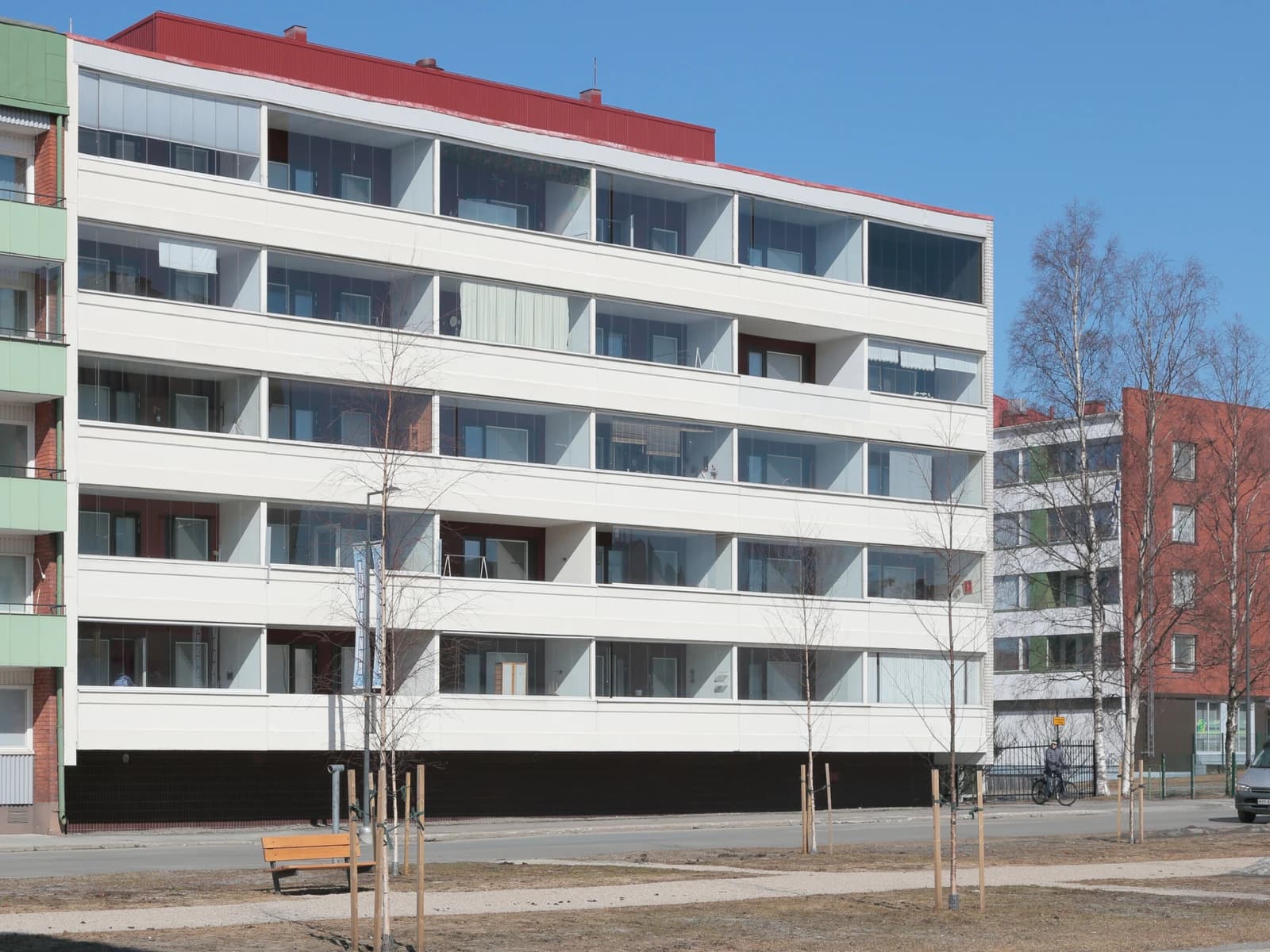
That matters because housing access is one of the most important constraints on labor mobility in Finland, especially for lower-income households that can struggle to assemble a large up-front deposit before they even get the keys. When a landlord removes that hurdle, apartments become easier to lease, vacancies can fall and the local rental market becomes more attractive to job seekers, students and families willing to relocate for work.
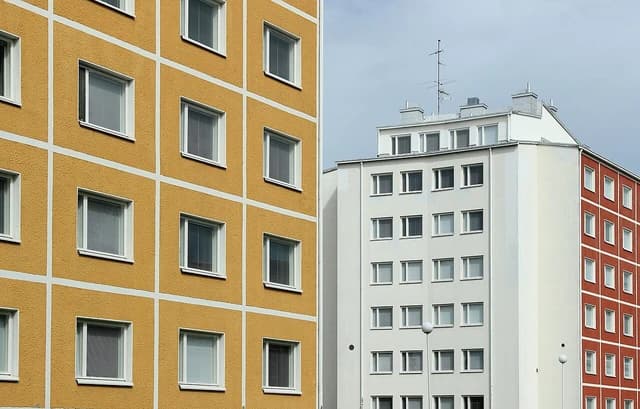
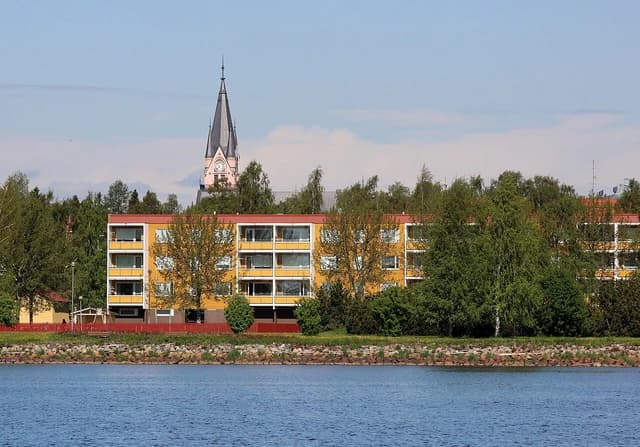
In Kemi, the change has had a concrete effect. According to Lapin Kansa, the city’s rental housing company, Itätuuli, ended deposit collection about a year and a half ago after deciding the paperwork and internal money handling were nearly as costly as the deposit itself. Chief executive Jaana Tikanoja said the amount collected often did not even cover the actual repair bill when an apartment was damaged.
The company also said applications began rising gradually from 2025, including from southern Finland. Some of those applicants do not even have a job or study place in Kemi, suggesting the policy is making the city’s housing stock more visible to people willing to move on speculation or in search of opportunities. For a small northern city, that is meaningful: easier access to rental housing can support population retention, local services and eventually employment growth.
There is a broader lesson here for Finland’s rental market. Deposit requirements can be a real barrier for tenants with limited savings, and Kuntaliitto’s Mirka Härkönen has said the deposit can be enough to block a lease altogether for low-income applicants. At the same time, the legal backdrop is shifting in tenants’ favor: district courts and consumer dispute bodies have repeatedly ruled that landlords cannot keep deposits for minor issues such as dust or isolated stains.
That makes Kemi’s model look less like a generous exception and more like a practical response to a system where traditional deposits are costly to administer, hard to justify and often contested later. The trade-off, of course, is higher risk for the landlord if a tenant causes real damage. But in a market where the deposit may not reliably cover repairs anyway, the economics of the old model are starting to look weak.
For investors and long-term property owners, the takeaway is not that deposits are disappearing everywhere overnight. It is that rental operators are under pressure to simplify leasing, reduce friction and compete for tenants on convenience as much as price. In small markets especially, that can be a durable advantage. Kemi’s experience is worth watching as a template for other landlords looking to widen demand and keep apartments filled.
| Entity | Gains | Losses |
|---|---|---|
| Kemi municipal landlord Itätuuli | ▲Faster leasing, lower admin costs | ▼Less damage protection |
| Low-income tenants | ▲Easier apartment access | ▼Less deposit-based leverage |
| Potential movers from southern Finland | ▲Lower barrier to relocate | ▼More competition for units |
| Traditional landlords | ▲Pressure to simplify leasing | ▼Deposits lose appeal |