Investors are still treating regional banks as a trade to avoid, with KeyCorp’s steady share price gain colliding with a broader warning sign: commercial real estate stress is not gone, and lenders with heavy exposure to office and retail debt remain under pressure to prove losses will stay contained.
KeyCorp at $22.73 as regional bank CRE stress lingers

The sell case is tied to a familiar economic risk that keeps hanging over the sector. The U.S. 10-year Treasury yield was last around 4.63%, while the 2-year sat near 4.20%, keeping funding costs elevated and weighing on property values, refinancing math and credit quality for banks that finance downtown offices and retail centers.
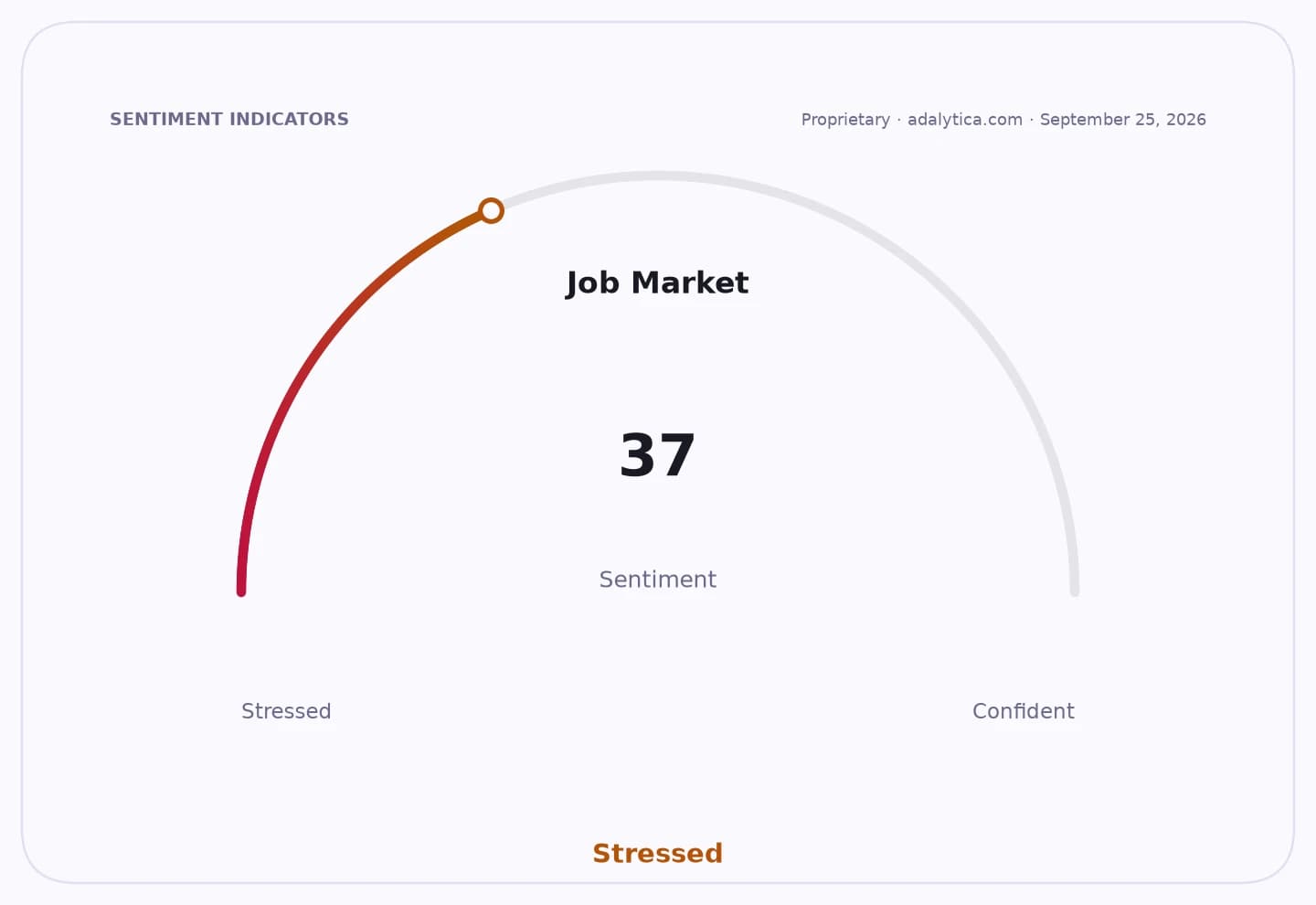
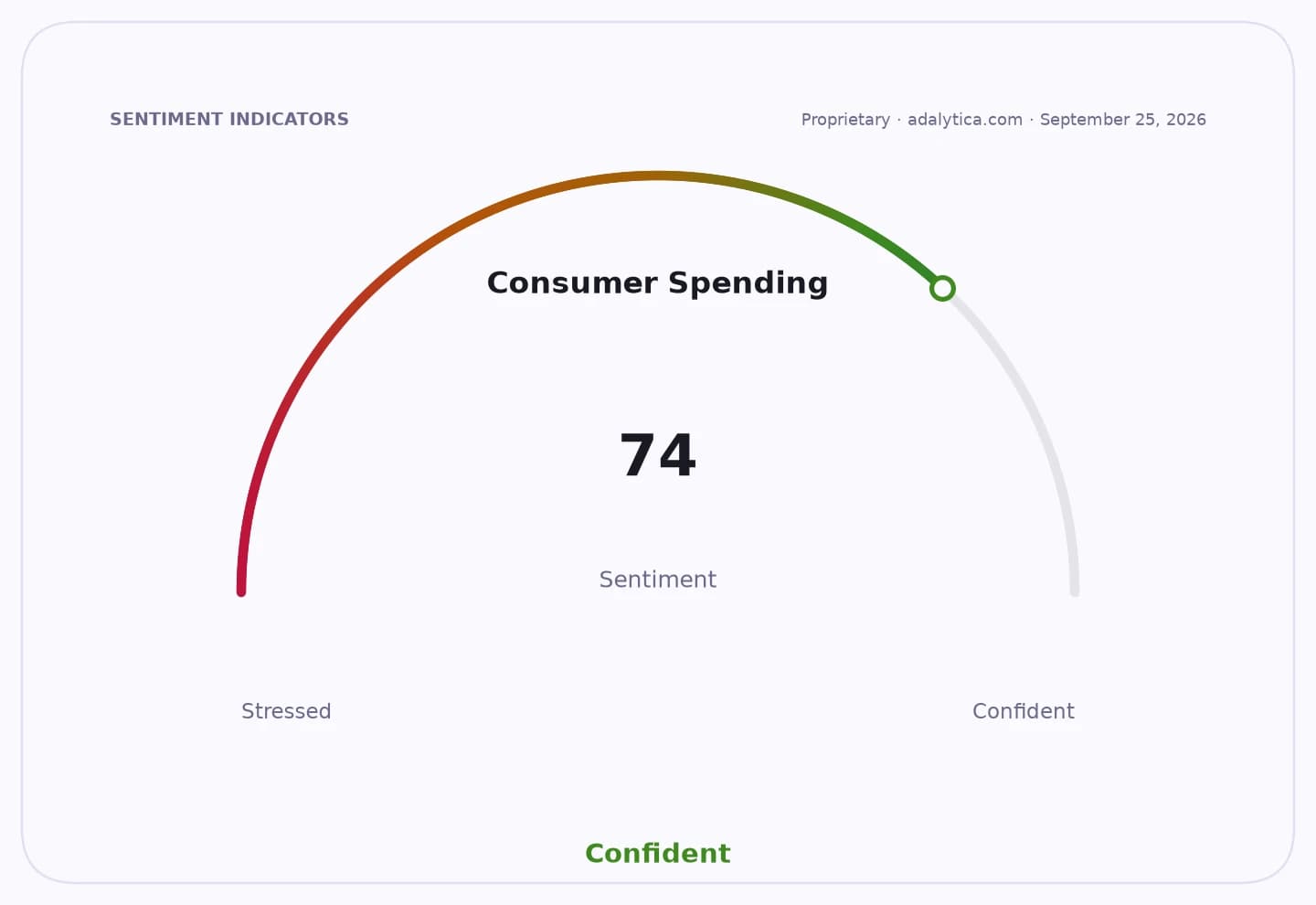
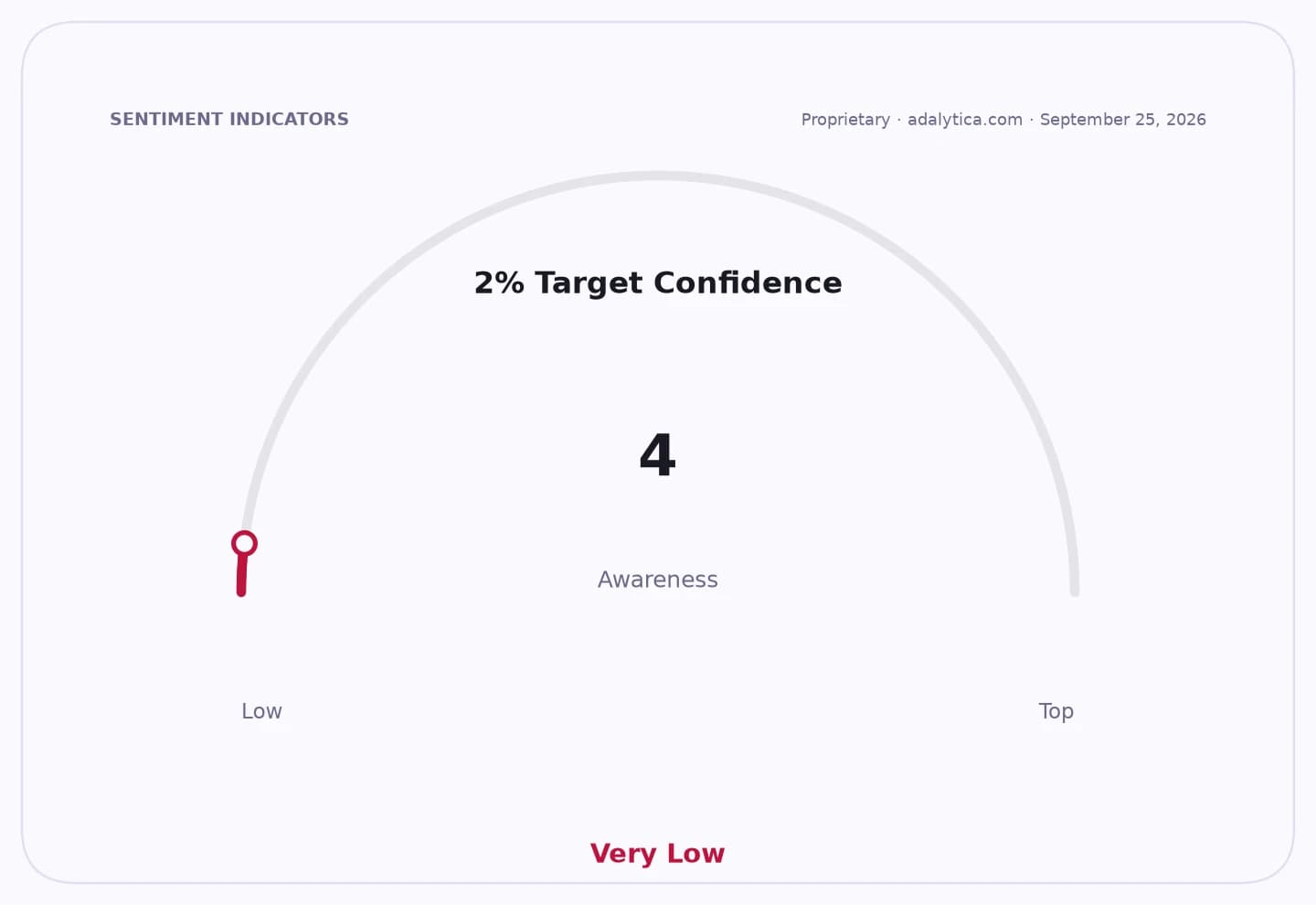
Sentiment IndicatorsⓘProprietary · adalytica.com · August 9, 2026
This is a snapshot — live sentiment, awareness and momentum for 130+ markets update continuously in the dashboard.Open AlphaPulse
That backdrop matters most for regionals because they hold a large share of the country’s commercial real estate loans. Office vacancies, weaker foot traffic in retail corridors and a wall of maturities have made the sector one of the clearest transmission channels from higher rates into bank balance sheets, especially if refinancing happens at much higher coupons than borrowers can support.
KeyCorp itself has moved higher, closing at $22.73 on Aug. 7 after trading as high as $23.99 in mid-July, but the stock has also been volatile as investors rotate across lenders. Its shares sit above the 50-day moving average of $22.66 and well above the 200-day average of $20.69, yet its RSI near 40 suggests momentum is far from overbought.
Other regionals have also been bid up, though not enough to erase the macro risk. Regions Financial ended at $31.43 on Aug. 7, up from $23.46 in October, while Zions Bancorp closed at $70.32, below its July peak but still far above its 200-day average. Both names have benefitted from improving sentiment toward banks generally, but the sector remains exposed to any deterioration in office and retail credit.
Credit markets are not flashing outright distress, but they are not benign either. The high-yield default-spread gauge was around 2.71%, close to recent lows, suggesting investors are not pricing a broad credit event. Even so, that does little to eliminate the pressure on specific CRE-heavy lenders if delinquencies rise or if property owners need to restructure loans at lower valuations.
The trade is also shaped by market psychology. Adalytica’s S&P 500 signal shows “Extreme Greed,” while Treasury bonds carry “Greed” readings, a mix that points to investors favoring risk assets overall but still demanding careful stock selection. In banks, that means clean balance sheets and less CRE concentration are in favor, while lenders tied to office and retail refinance risk remain at a discount.
For investors, the key question is whether the sector’s recent rally has already priced in the good news on net interest income and credit quality. If office and retail losses stay contained, regionals can keep grinding higher; if refinancing stress spreads, the market will quickly re-rate the names with the most vulnerable loan books.
The next catalyst is the next round of regional bank earnings and disclosure on CRE concentration, charge-offs and reserve builds, alongside any further move in Treasury yields.
| Entity | Gains | Losses |
|---|---|---|
| Regionals with low CRE exposure | ▲Higher valuations | ▼Fewer relative bargains |
| CRE-heavy regional banks | ▲Higher rates and wider spreads | ▼Refinancing stress, loss risk |
| Office/retail property owners | ▲Lower rates and easier credit | ▼Tougher refinancing, weaker collateral values |
| Bank stock shorts | ▲CRE deterioration | ▼A continued risk-on bank rally |