Workers are pressing for a fresh minimum-wage review because headline inflation is easing only at the margin while the prices that matter most to low-income households remain stubbornly high, keeping the wage debate politically and economically alive.
Korea Wage Pressure Returns as Inflation Stays Sticky

That tension sits at the heart of the latest round of wage negotiations. Even as fuel prices have fallen from previous peaks, the cost of the basic basket and transportation has stayed elevated enough to squeeze real purchasing power, especially for hourly workers who spend a larger share of income on essentials. With the minimum wage set at 10,700 won after a 380 won increase, the question is no longer whether nominal pay is rising, but whether it is keeping pace with the cost of living that households actually face.
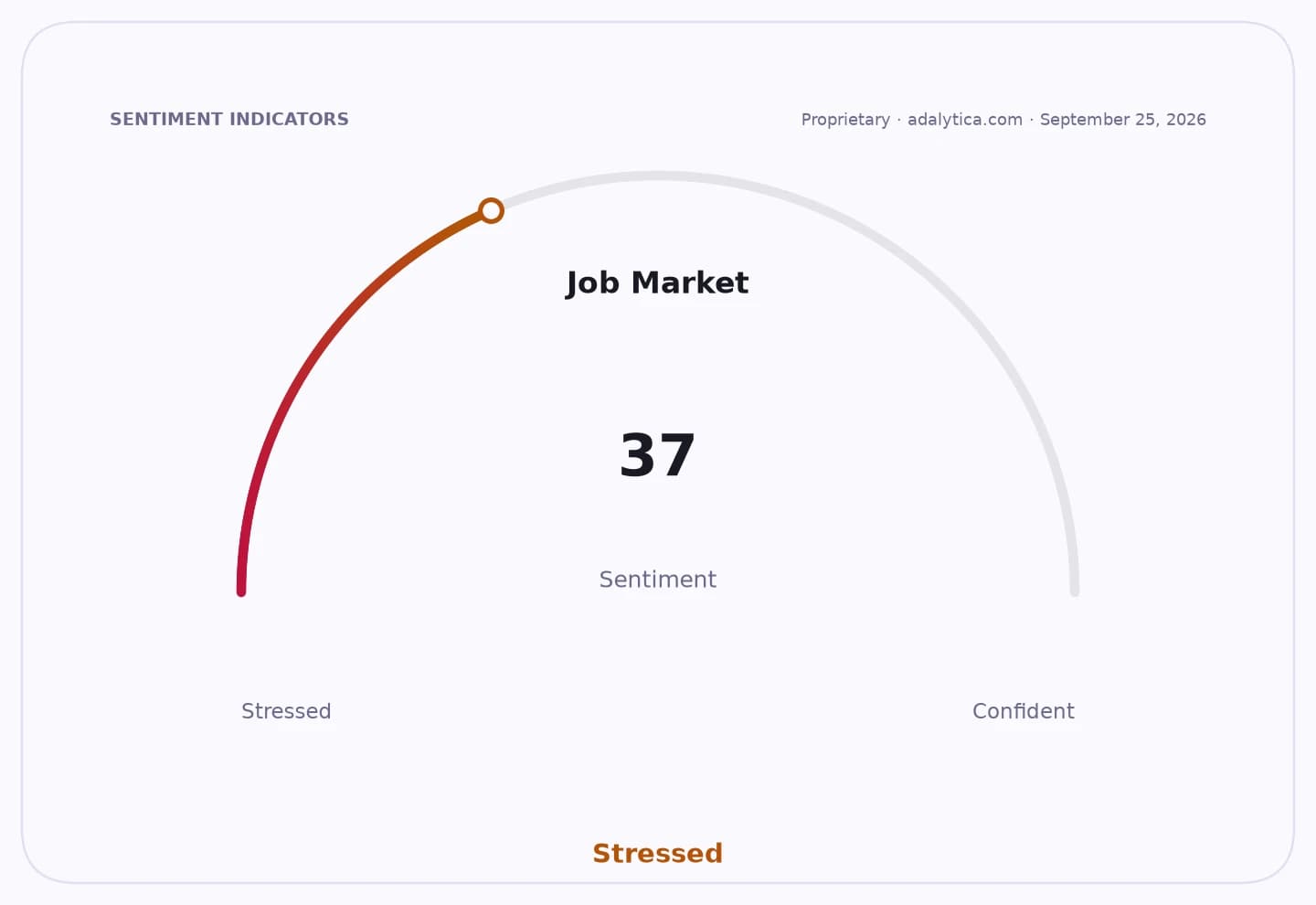
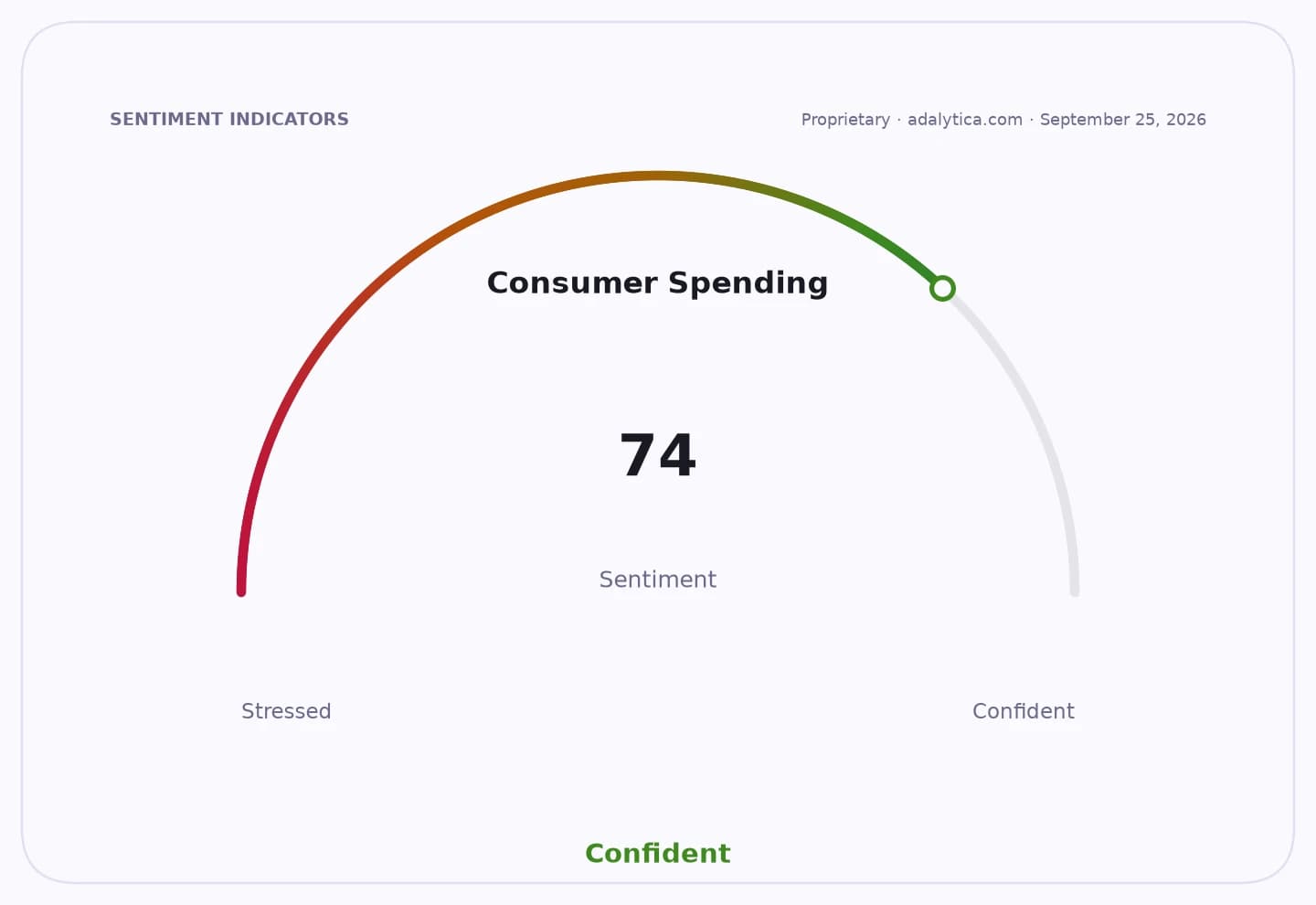
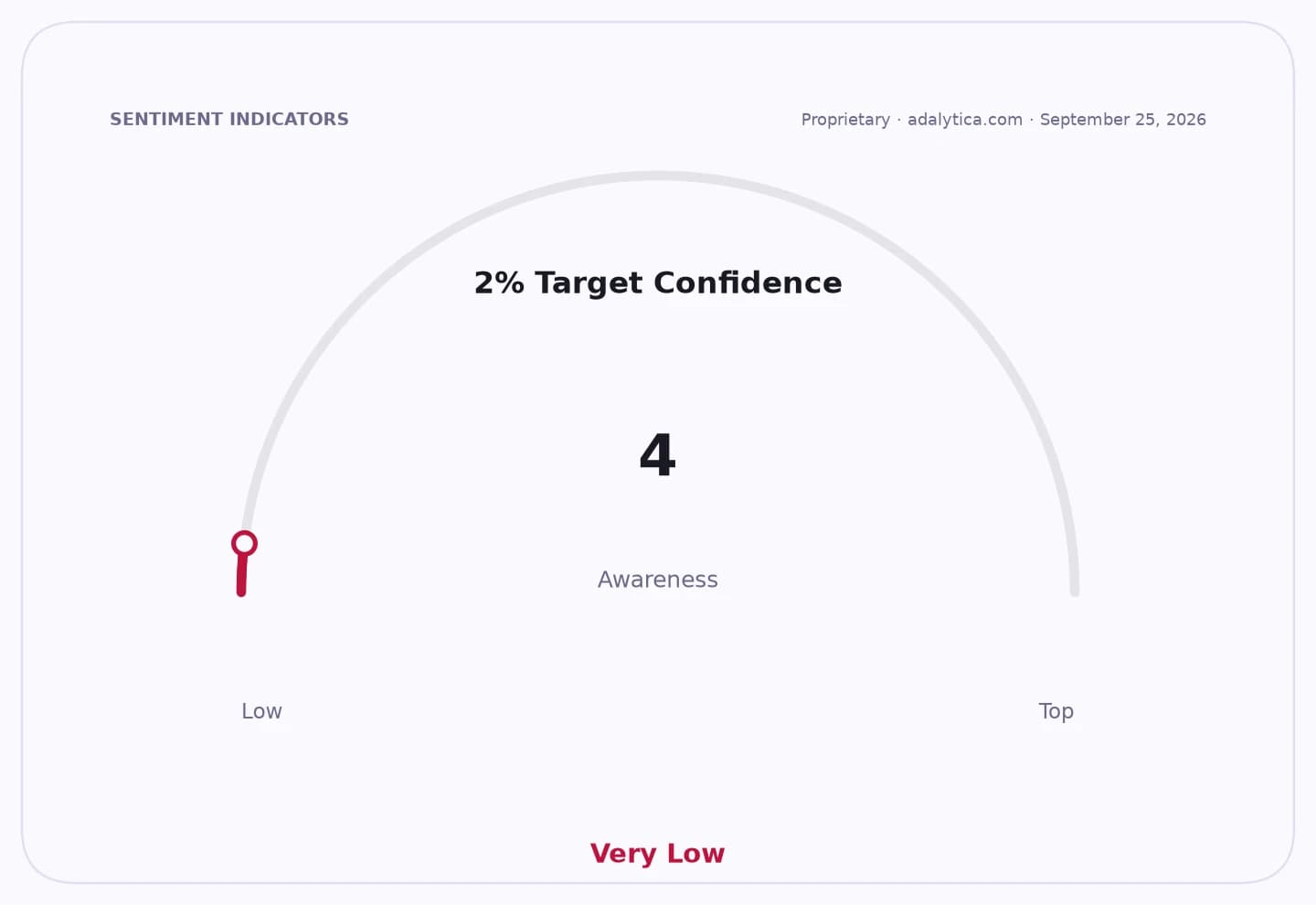
Sentiment IndicatorsⓘProprietary · adalytica.com · July 16, 2026
This is a snapshot — live sentiment, awareness and momentum for 130+ markets update continuously in the dashboard.Open AlphaPulse

The macro backdrop helps explain why the issue is becoming more contentious. Consumer prices, as measured by the CPI, are still forecast to rise to 335.5 in July from 332.6 in June, while producer prices are expected to accelerate to 295.8 from 286.8. That combination suggests inflationary pressure has not disappeared; it has merely shifted. Fuel is no longer the main problem, but transportation, food and other core consumption items remain sticky enough to keep pressure on wages and margins.
For investors, that matters because minimum wage policy flows quickly into labor-intensive sectors. Small businesses, convenience stores, restaurants and retailers face the sharpest hit from higher payroll costs, particularly when demand is weak and pricing power is limited. The risk is not just lower margins, but slower hiring, reduced hours and more automation or job cuts at the lower end of the labor market. That is why employers are warning that another increase could force staffing reductions even as workers argue current pay is being eroded by living costs.

There is also a broader structural issue. The wage-setting process is increasingly being pushed to address a labor market that now includes more platform and gig work, where traditional rules fit poorly. The Minimum Wage Committee’s call for government reform reflects a recognition that annual bargaining alone is not resolving the mismatch between pay-setting and a changing labor market. If policymakers redesign the system, the implications could extend beyond next year’s wage floor to how Korea prices labor in a shrinking workforce.
Marketly, the pressure is uneven. Consumer-facing companies that cater to lower-income households may gain from firmer wage growth if it supports spending, but they also face higher labor bills. Large retailers and chain operators are better placed to absorb the shock than independent stores, while discount and value-oriented groups may see traffic hold up even as payroll costs rise. The big loser is likely to be the smallest employers, where labor is the biggest controllable expense and productivity gains are hardest to achieve.
For investors, the key question is whether wage growth supports consumption enough to offset the margin drag. A modest increase can help real incomes at the bottom, but if it lands on businesses already facing sticky essential costs, the net effect may be a transfer from employers to workers rather than a broad demand boost. That would make the next policy debate less about the size of the minimum wage than about whether Korea can build a wage system that reflects persistent inflation, changing labor patterns and the need to preserve employment.
| Entity | Gains | Losses |
|---|---|---|
| Low-wage workers | ▲Higher nominal pay | ▼Still-squeezed real income |
| Small businesses | ▲None | ▼Higher payroll costs |
| Large retailers | ▲Better cost absorption | ▼Margin pressure |
| Government / policymakers | ▲Room to reform system | ▼More political pressure |