KKR Real Estate Finance Trust is starting to look less like a broken mortgage REIT and more like a leveraged bet on a firmer commercial property market, with the stock climbing to $7.80 as of Aug. 13, above both its 50-day moving average and 200-day moving average. For investors, that matters because the market is increasingly pricing in a stabilization in office and other real-estate collateral after a brutal reset in financing conditions.
KREF Rises Above 50-Day and 200-Day Averages
The bigger story is not just a few cents on the share price. It is the improving math behind real-estate finance. KREF’s latest trading action comes as its technicals turn constructive — RSI at 62.9 suggests momentum has recovered without yet flashing extreme overbought conditions, while MACD remains positive. More importantly, the stock is now trading above its 50-day average of $7.19 and its 200-day average of $7.04, a sign that sentiment toward the sector is improving after a long period of forced selling and valuation compression.
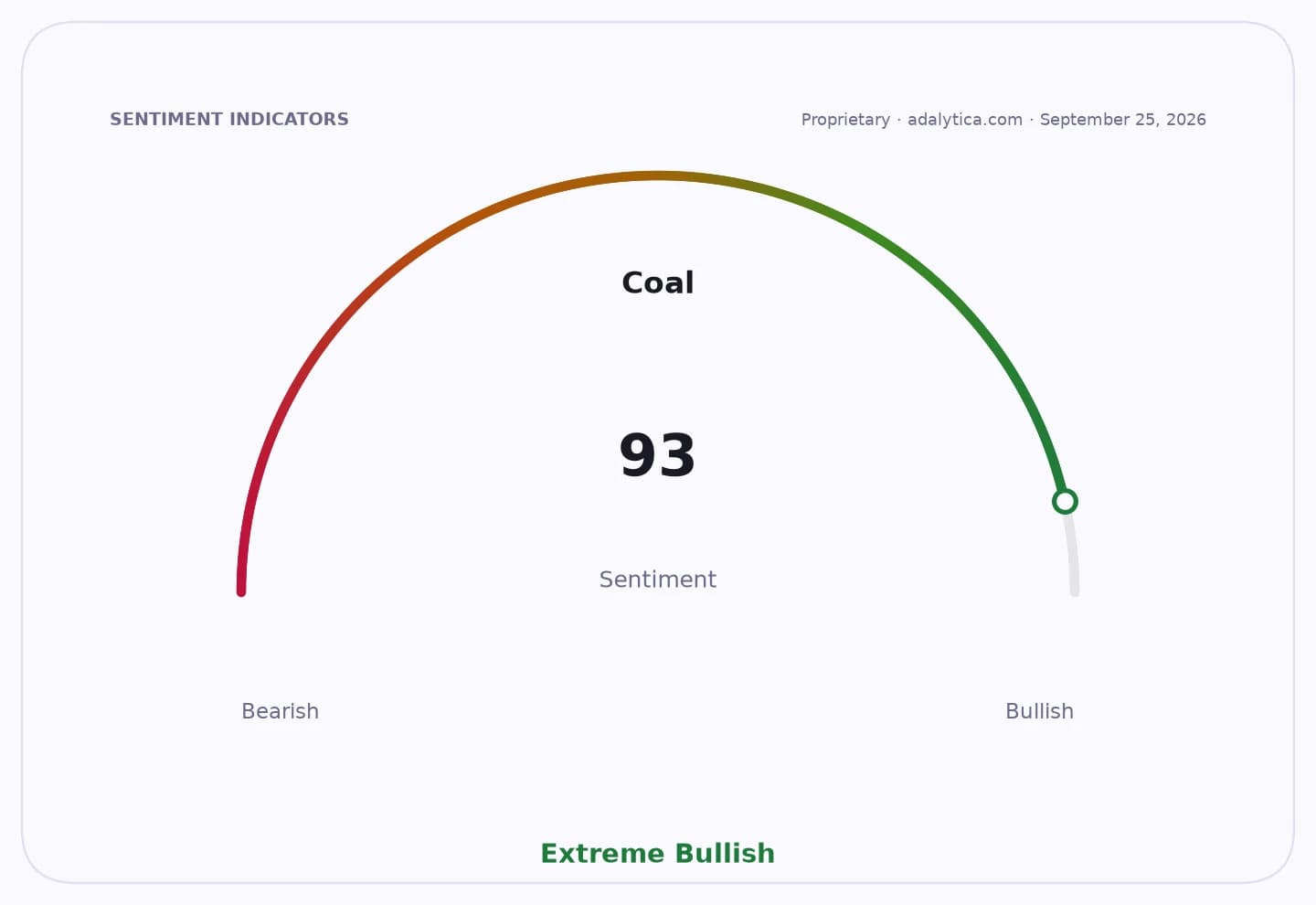
Sentiment IndicatorsⓘProprietary · adalytica.com · August 14, 2026
This is a snapshot — live sentiment, awareness and momentum for 130+ markets update continuously in the dashboard.Open AlphaPulse
That shift matters economically because real-estate lenders are the first place stress shows up when property values fall and financing costs rise. When the market begins to believe the worst is over, capital can flow back into debt and equity tied to commercial property. That is good news for borrowers trying to refinance and for lenders with loans marked at distressed levels. It is also a signal that the public market is willing to look through near-term office pain and focus on asset-level recoveries, extensions and selective workouts rather than wholesale losses.
KREF itself sits squarely in that trade. The company’s filings show it still has properties and related assets classified as held for sale, including Philadelphia office and West Hollywood condo exposures, underscoring that the cleanup from the property downturn is not complete. But the market’s willingness to bid the shares higher suggests investors are becoming more comfortable with the idea that those assets can be worked through without a full-scale deterioration in book value.
This is where the asymmetry becomes interesting. A commercial real estate lender does not need a roaring property boom to rerate; it needs stabilization, better debt markets and fewer surprise write-downs. With broader real estate sentiment improving and peers highlighting stronger valuations, KREF could benefit from the same rotation if refinancing activity continues to thaw. The risk, of course, is that office weakness returns or that higher-for-longer rates choke off the recovery before balance sheets fully normalize.
For now, the market is telling you the tape has changed. Investors who insist on waiting for perfect clarity may miss the early phase of a revaluation in real-estate finance. The opportunity here is to own the lenders and capital providers positioned to profit if property values keep bottoming and transaction volumes recover. KREF is one of the cleaner ways to play that thesis, but it remains a selective, not a blind, bet.
| Entity | Gains | Losses |
|---|---|---|
| KREF shareholders | ▲Higher rerating potential | ▼Ongoing credit and property risk |
| Commercial real-estate borrowers | ▲Easier refinancing window | ▼Still face higher borrowing costs |
| Distressed-property sellers | ▲Better bid support | ▼Less room for fire-sale pricing |
| Short sellers | ▲Opportunity to press setbacks | ▼Momentum if recovery extends |