Russia’s view that Donald Trump’s stance on Ukraine contains “dualism” matters because it suggests the Kremlin still sees room to influence Washington’s next move even as the war remains costly, diplomatically fluid and increasingly tied to market risk.
Kremlin Reads Trump Ambiguity as Ukraine Opening

The Kremlin’s framing implies Trump’s approach is neither a clean break with current U.S. policy nor an unambiguous concession to Moscow, leaving open a narrow but economically meaningful window for negotiations, sanctions relief or at least a recalibration of U.S. support for Kyiv. For markets, that uncertainty is crucial: the path of the war shapes European energy security, defense spending, sanctions enforcement and risk sentiment across currencies, oil and gold.
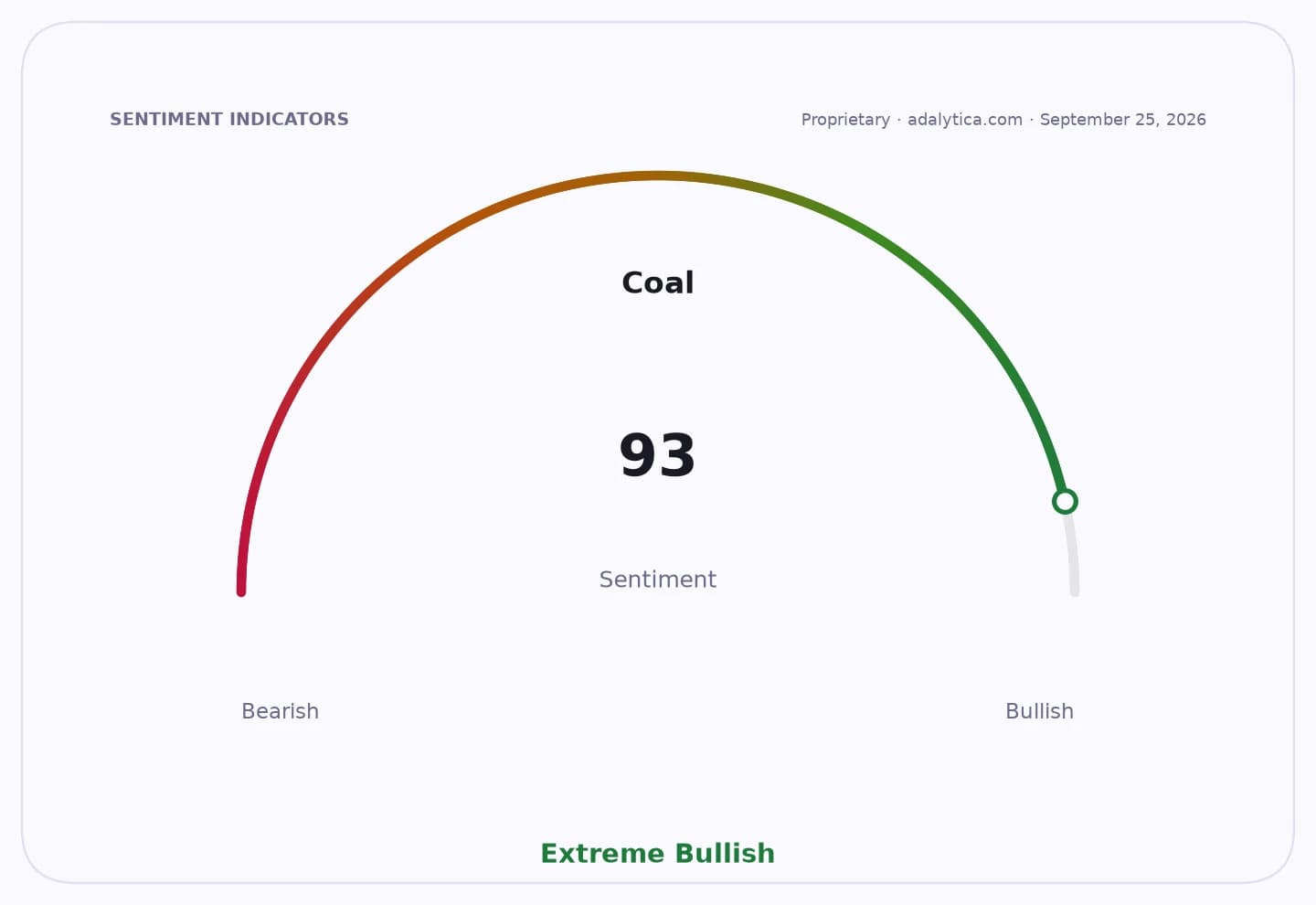
Sentiment IndicatorsⓘProprietary · adalytica.com · July 26, 2026
This is a snapshot — live sentiment, awareness and momentum for 130+ markets update continuously in the dashboard.Open AlphaPulse
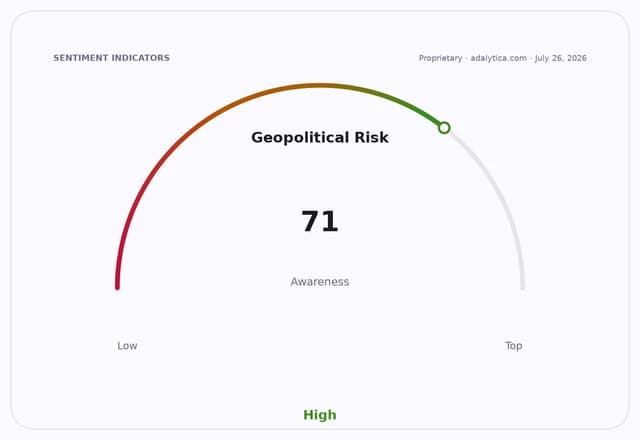
The geopolitical backdrop remains tense. Fighting continues to inflict casualties on both sides, while regional diplomacy is fraying rather than advancing. Kazakhstan’s President Kassym-Jomart Tokayev has called on Vladimir Putin to stop the war and proposed a negotiation format, but the Kremlin is simultaneously accusing Ukraine of attacks that broaden the conflict’s geographic and political reach. That combination underscores why Moscow is reading every signal from Washington so closely: any hint of a future policy shift could alter the bargaining calculus.
Investor response has already shown how sensitive markets are to the war’s trajectory. Gold, a traditional haven, has held above its 50-day moving average even after a sharp pullback from earlier highs, while conventional technical indicators such as RSI readings have cooled from overbought territory. Oil, by contrast, has swung sharply higher, with USO’s price surging in recent sessions and trading at stretched RSI levels, reflecting the premium investors assign to supply disruption and escalation risk. The move in the U.S. dollar index fund UUP has been more contained, suggesting the market is pricing geopolitics unevenly rather than shifting wholesale into defensive mode.

That split matters economically because prolonged war sustains inflation risks through energy and logistics channels, keeps European growth under pressure and preserves elevated defense outlays in the U.S. and NATO. It also leaves the Federal Reserve and other central banks managing a backdrop in which geopolitical shocks can quickly feed into commodity prices and financial conditions. Reuters data showing U.S. recession probability at zero does little to offset those pressures if conflict risks intensify.
The broader narrative is that Trump’s position on Ukraine is being interpreted in Moscow not as a settled policy but as a possible opening. That ambiguity can support assets linked to defense and commodities while keeping pressure on risk appetite in Europe. For investors, the key question is whether the next U.S. administration would push toward negotiations, sustain military aid or tighten sanctions further. Until that becomes clearer, the war remains a trading variable as much as a diplomatic one.
| Entity | Gains | Losses |
|---|---|---|
| Russia/Kremlin | ▲Leverage over negotiations | ▼Policy uncertainty |
| Trump camp | ▲Diplomatic flexibility | ▼Perception of ambiguity |
| Gold and defense names | ▲Safe-haven and spending support | ▼Less urgency if talks advance |
| Oil importers / Europe | ▲Potential de-escalation | ▼Higher energy and security costs |