Ksi Lisims LNG has secured a 20-year supply agreement with German utility Securing Energy for Europe, a deal that gives the proposed British Columbia export project a critical commercial anchor and underscores Europe’s continuing search for long-term gas supplies after the loss of Russian pipeline flows.
Ksi Lisims LNG secures 20-year SEFE supply deal
For investors, the agreement matters because long-term offtake is the key hurdle for any new LNG project: it helps de-risk financing, supports final investment decisions and improves the odds that infrastructure spending turns into durable cash generation. For Europe, it is another sign that imported LNG — increasingly from North America — has become a structural rather than temporary part of the energy mix, even as governments try to balance security of supply with decarbonisation goals.
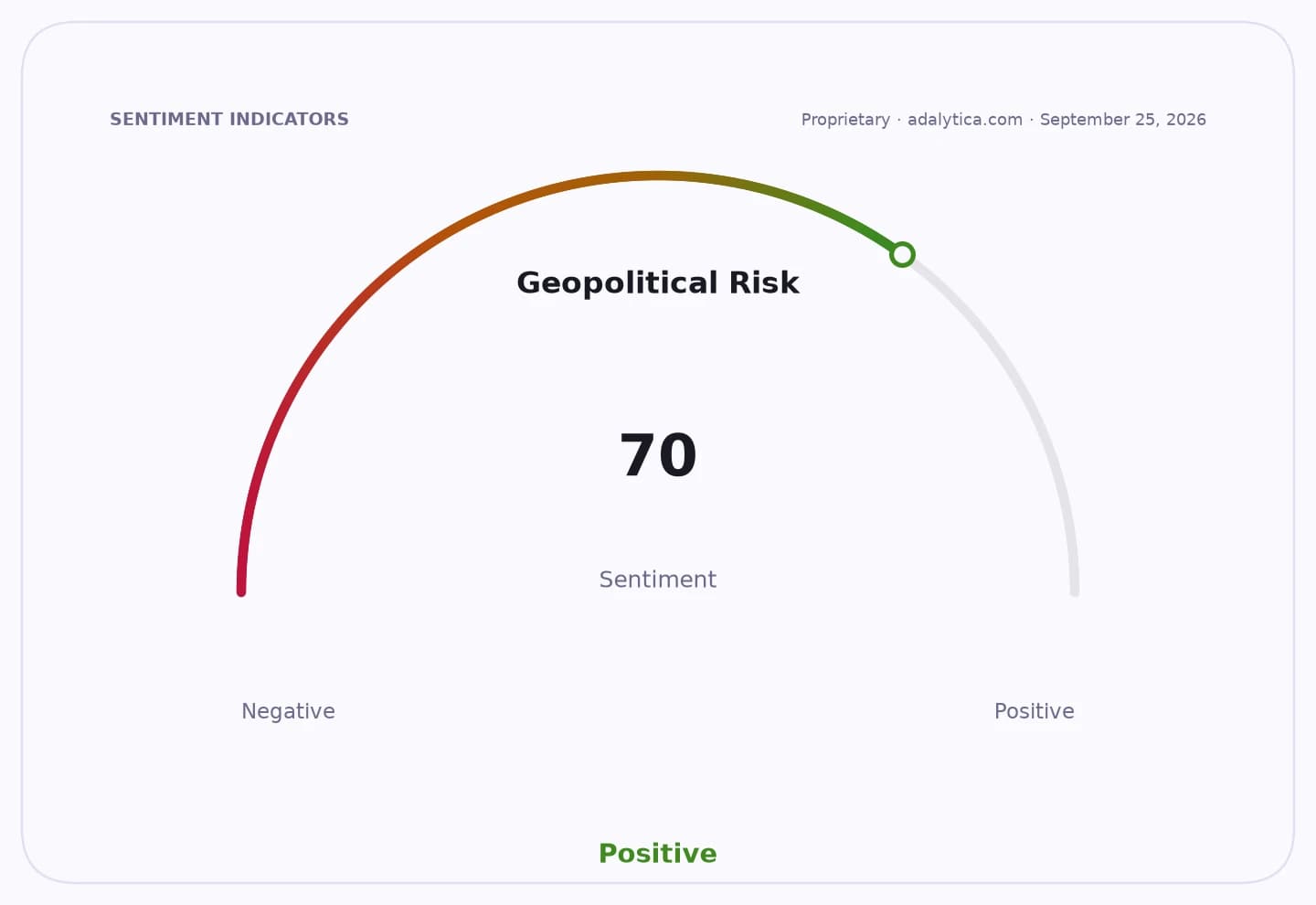
Sentiment IndicatorsⓘProprietary · adalytica.com · July 29, 2026
This is a snapshot — live sentiment, awareness and momentum for 130+ markets update continuously in the dashboard.Open AlphaPulse
The deal also lands at a time when the macro backdrop remains supportive for new export capacity. Oil prices are still high by historical standards, with Brent and U.S. crude both near the upper end of their recent ranges, while benchmark U.S. 10-year Treasury yields are around 4.7%, keeping financing costs elevated. That combination makes bankable contracts even more important for developers, since higher capital costs can quickly erode project economics without visible revenue certainty.
The German buyer’s commitment is meaningful because Europe’s energy market is still reordering itself around LNG imports. The continent has spent the past two years replacing Russian supply with cargoes from the U.S. and elsewhere, leaving utilities and industrial users more exposed to global LNG pricing and shipping constraints. A 20-year deal suggests buyers still want to lock in volumes well beyond the current tightness in the market, betting that supply security is worth paying for.
For Canada, the agreement strengthens the case that its west coast can become a meaningful export corridor into the Pacific Basin and, potentially, Europe. That matters economically because LNG projects bring multibillion-dollar construction activity, long-lived export revenues and upstream demand for gas producers, contractors and pipeline operators. It also has implications for provinces and Indigenous partners seeking a stake in energy infrastructure as global gas markets remain volatile.
The commercial logic is straightforward: developers need long-term buyers, buyers need diversified supply, and both sides are willing to trade price flexibility for certainty. The bullish case is that more contracts like this could accelerate project sanctioning across Canada’s LNG sector. The bearish case is that expensive projects could still struggle if financing costs stay high, European gas demand weakens or climate policy tightens faster than expected.
Near term, investors will watch whether Ksi Lisims can turn the agreement into project financing and a final investment decision, while keeping an eye on whether other Canadian LNG proposals can secure similar long-duration contracts. The deal does not guarantee the project gets built, but it materially improves its odds — and it reinforces the broader shift in global gas trade toward long-term North American supply.
| Entity | Gains | Losses |
|---|---|---|
| Ksi Lisims LNG | ▲Offtake certainty | ▼Financing risk |
| German utility SEFE | ▲Long-term supply | ▼Exposure to LNG prices |
| Canadian LNG developers | ▲Project credibility | ▼Need for capital |
| Russian pipeline gas | ▲Less relevance | ▼European market share |