Exchange-rate swings are emerging as a key amplifier of inflation in Malawi, adding pressure to households and policymakers already grappling with elevated prices and fragile external finances.
Kwacha Weakness Threatens Malawi Inflation Outlook

The warning from the Malawi Economic Justice Network underscores a familiar but costly transmission channel: when the kwacha weakens, imported fuel, food, fertilizer and industrial inputs become more expensive, feeding directly into consumer prices. For an economy that relies heavily on imports and has limited foreign-exchange buffers, even modest currency moves can quickly filter through to transport costs and headline inflation. That makes the exchange rate more than a financial-market variable; it is now a central macroeconomic lever.
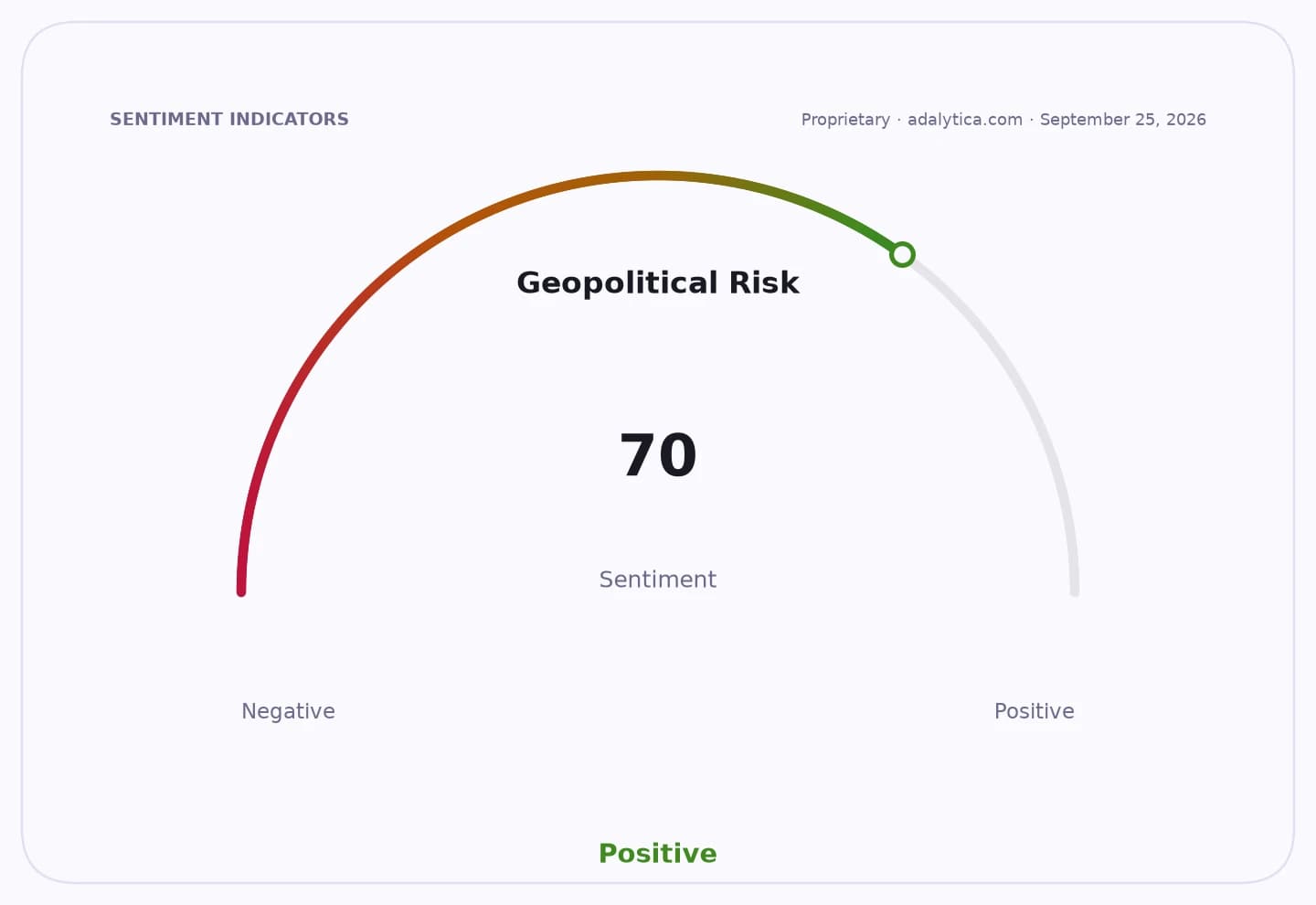
Sentiment IndicatorsⓘProprietary · adalytica.com · July 21, 2026
This is a snapshot — live sentiment, awareness and momentum for 130+ markets update continuously in the dashboard.Open AlphaPulse
The broader backdrop reinforces that risk. Across major economies, inflation has been moderating, but the global disinflation trend has not removed pressure from countries with weaker currencies and tighter external funding. U.S. benchmark yields around 4.5% still indicate a restrictive global rate environment, while the dollar remains a powerful force in emerging-market foreign exchange. In Africa, where many import-dependent economies buy fuel and staples in dollars, currency stability has become as important as domestic demand in determining the inflation path.
That helps explain why the market message around the yen and other vulnerable currencies has mattered well beyond Japan. The Japanese yen ETF FXY has been drifting lower, with its 50-day moving average below the 200-day moving average and RSI readings in the mid-40s, a technical setup that points to persistent weakness rather than a durable recovery. The U.S. dollar’s strength relative to lower-yielding currencies is also a reminder that capital tends to favor economies with higher real returns and deeper external resilience, leaving smaller import-reliant markets exposed to pass-through inflation.
For Malawi, the issue is not just price volatility but the policy trade-off it creates. Tighter monetary policy can slow inflation, but higher rates also raise the cost of credit in an economy that needs investment and working capital. Allowing the currency to weaken too far, however, risks a faster rise in prices and a further hit to real incomes. That leaves the central bank and fiscal authorities under pressure to defend stability through reserve management, import prioritization and, potentially, measures to reduce foreign-exchange demand.
For investors, the implication is that Malawi’s inflation outlook will remain tightly linked to exchange-rate management and the availability of hard currency. Any sign of improved external financing, stronger export receipts or firmer reserve coverage would be supportive for domestic bonds, banks and import-sensitive sectors. By contrast, renewed depreciation would likely keep inflation expectations elevated and preserve pressure on rates, margins and consumer demand.
The near-term test is whether policymakers can calm currency volatility before it becomes embedded in wages and pricing behavior. If they cannot, exchange-rate moves will continue to do more than move markets: they will shape the pace of inflation, the cost of capital and the outlook for Malawi’s broader recovery.
| Entity | Gains | Losses |
|---|---|---|
| Exporters | ▲Better local-currency revenues | ▼Higher input costs |
| Importers | ▲— | ▼Rising procurement bills |
| Malawi consumers | ▲— | ▼Lower real incomes |
| Policymakers | ▲— | ▼More pressure on inflation control |