Kweichow Moutai’s stock has fallen back toward its long-term average, a sharp reversal that underscores how China’s slowing economy is hitting even the country’s most resilient luxury brands.
Kweichow Moutai Falls Below 200-Day Average
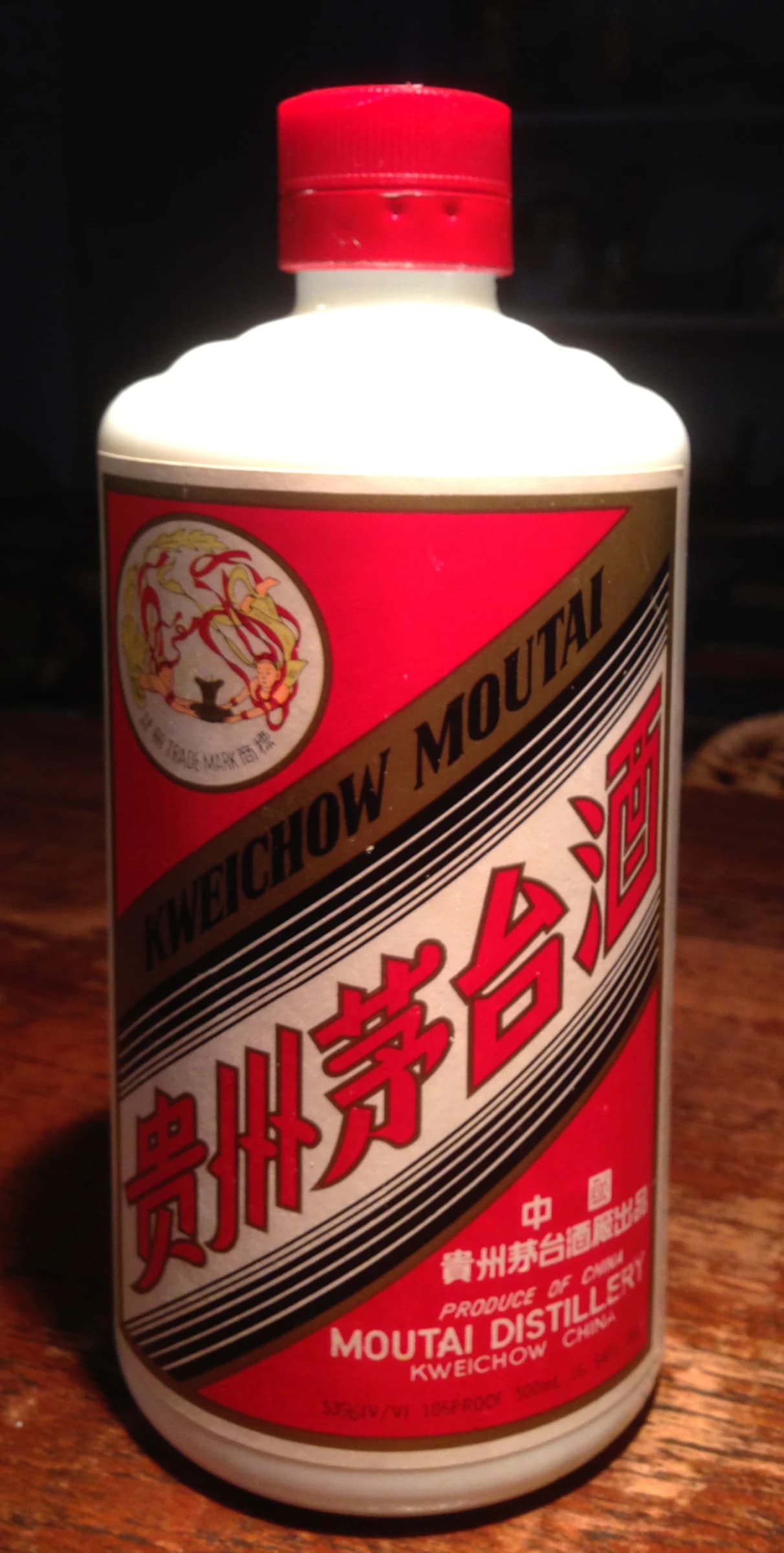
The move matters because Moutai is more than a distiller: it is a barometer for premium consumption, corporate spending and high-end gift buying in China. When demand softens for the national liquor, it often points to weaker confidence among businesses and wealthier consumers, a sign that the slowdown is spreading beyond property and heavy industry.
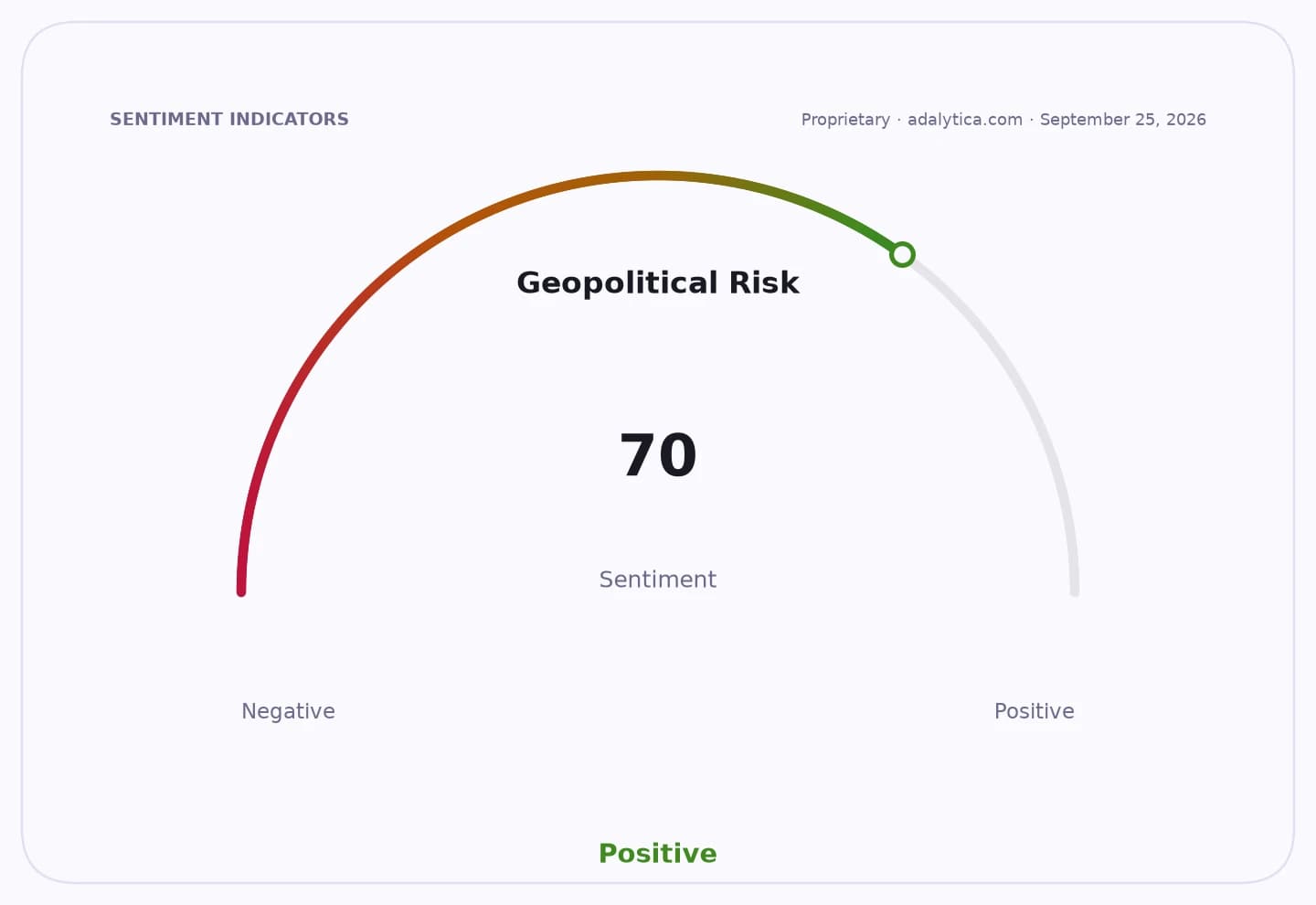
Sentiment IndicatorsⓘProprietary · adalytica.com · August 20, 2026
This is a snapshot — live sentiment, awareness and momentum for 130+ markets update continuously in the dashboard.Open AlphaPulse
Shares in 600519.SS closed at 1,291.83 yuan on Wednesday, down from a recent peak above 1,519 yuan in early February and below its 200-day moving average of 1,344.51 yuan. The stock is still above its 50-day average of 1,263.4 yuan, but the technical backdrop has weakened, with RSI readings in the mid-30s and momentum gauges easing after a sharp rebound earlier this year.
That slide comes as Adalytica’s China economic growth target sentiment sits at 7, or “Extreme Fear,” after dropping 79 points over the past week. The reading points to mounting market concern that policymakers will struggle to reignite demand quickly enough to offset weakness in property, industry and parts of the consumer economy.
The pressure is not confined to Moutai. Diageo has flagged weakness in Chinese white spirits, while broader consumer demand in China remains uneven, with luxury and selective premium categories holding up better than mass-market spending. For investors, that split matters: it suggests the consumer recovery is narrow, dependent on higher-income buyers and sensitive to shifts in confidence.
The picture also lands against a mixed macro backdrop. China’s new home prices have stayed flat, steel output has fallen and policymakers are still trying to widen domestic consumption through county-level stimulus and trade ties with ASEAN. Those efforts may support volumes in some sectors, but Moutai’s weakness suggests the premium end of the market is not insulated from the broader slowdown.
For investors, the key question is whether this is a temporary de-rating in a high-quality consumer name or a deeper warning that China’s growth model is still not generating broad-based spending power. The next catalysts are further policy support from Beijing and any signs that premium liquor demand stabilizes ahead of the year-end consumption season.
| Entity | Gains | Losses |
|---|---|---|
| Value-focused buyers | ▲Lower entry point | ▼Near-term volatility |
| Moutai bulls | ▲Potential rebound if demand stabilizes | ▼Momentum unwind |
| China policymakers | ▲A signal to push stimulus | ▼Evidence of weak confidence |
| Luxury and premium spirits peers | ▲Relative-share opportunity | ▼Broader China demand weakness |