Kyrgyzstan’s inflation is forecast to quicken to 10.2% in 2026, a reminder that price pressures remain sticky across parts of emerging Europe and Central Asia even as some global inflation gauges cool. For investors, the risk is that higher living costs could force tighter monetary policy, squeeze household spending and add strain to growth in an economy already vulnerable to imported shocks.
Kyrgyz Inflation Seen Rising, Pressuring Policy

The forecast from the Eurasian Fund for Stabilization and Development points to a wider regional problem: inflation is being kept elevated by food, fuel and currency pressures at a time when policymakers are still trying to rebuild credibility on price stability. In that environment, even a modest acceleration in consumer prices can matter because it reduces real incomes, complicates budget planning and limits room for the National Bank of the Kyrgyz Republic to ease.
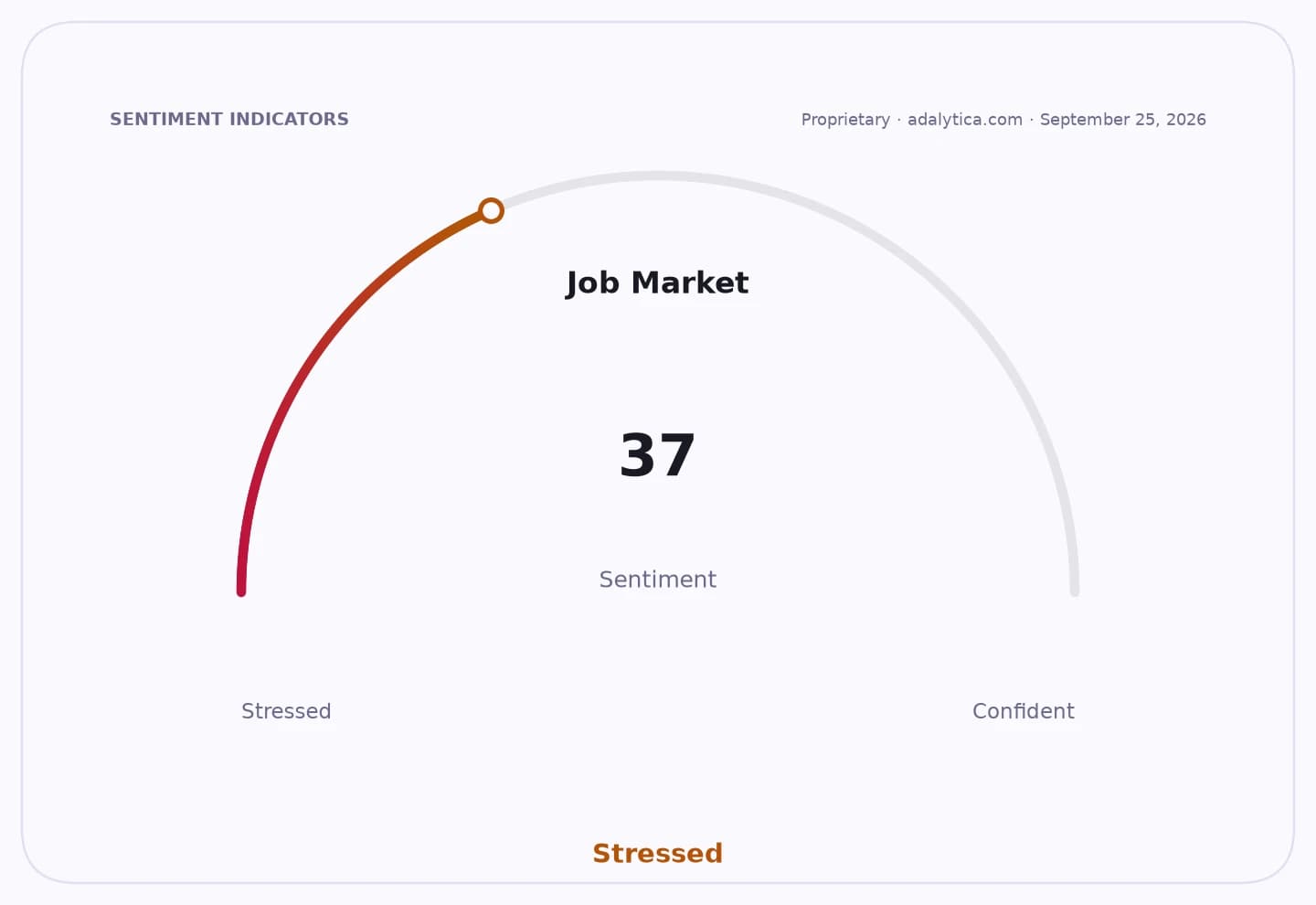
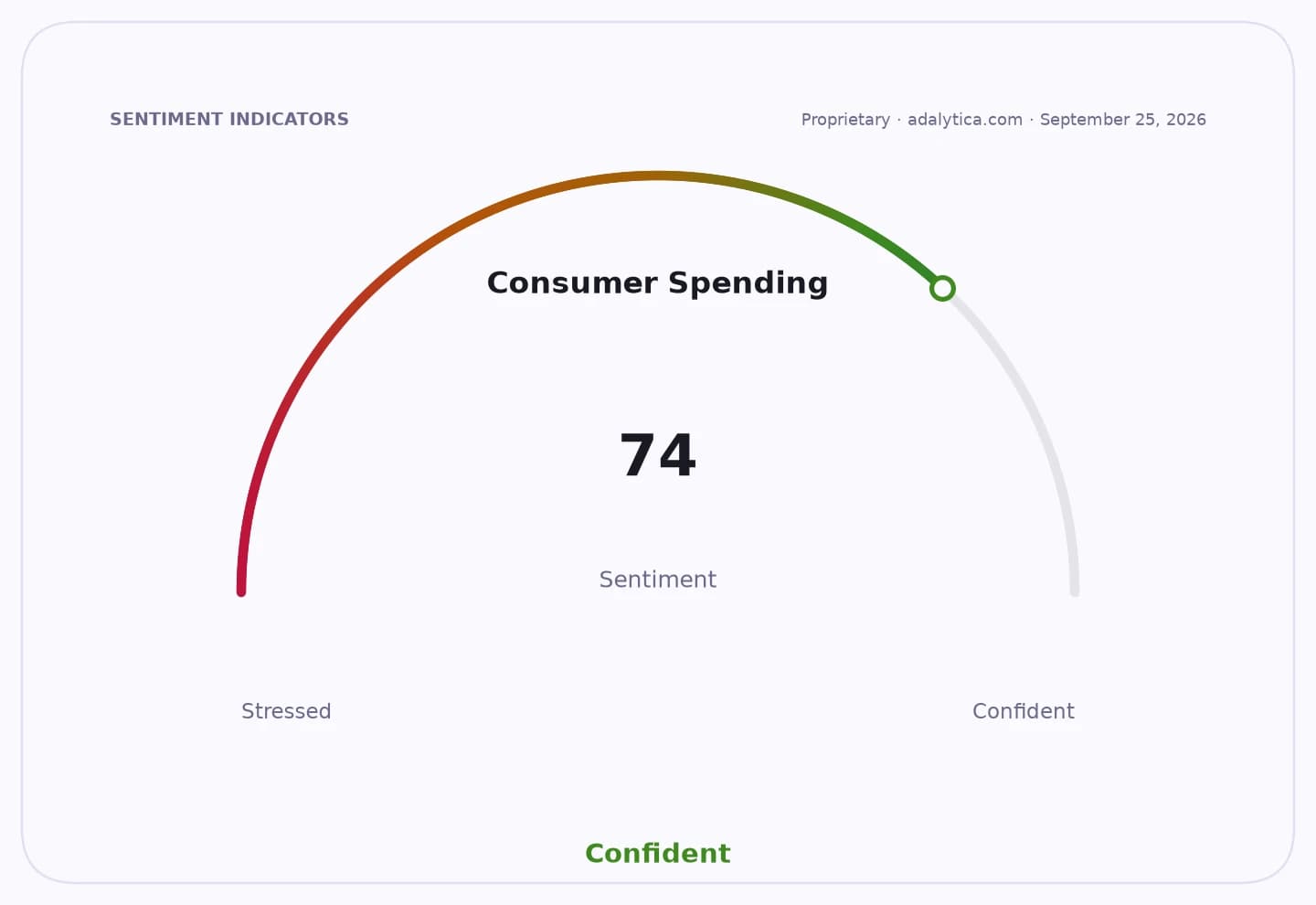
Sentiment IndicatorsⓘProprietary · adalytica.com · July 26, 2026
This is a snapshot — live sentiment, awareness and momentum for 130+ markets update continuously in the dashboard.Open AlphaPulse
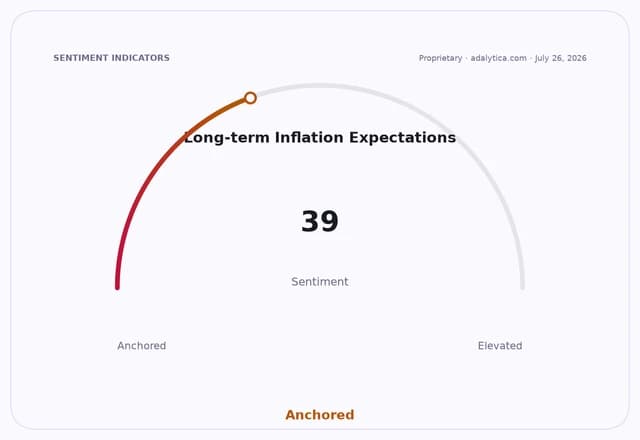
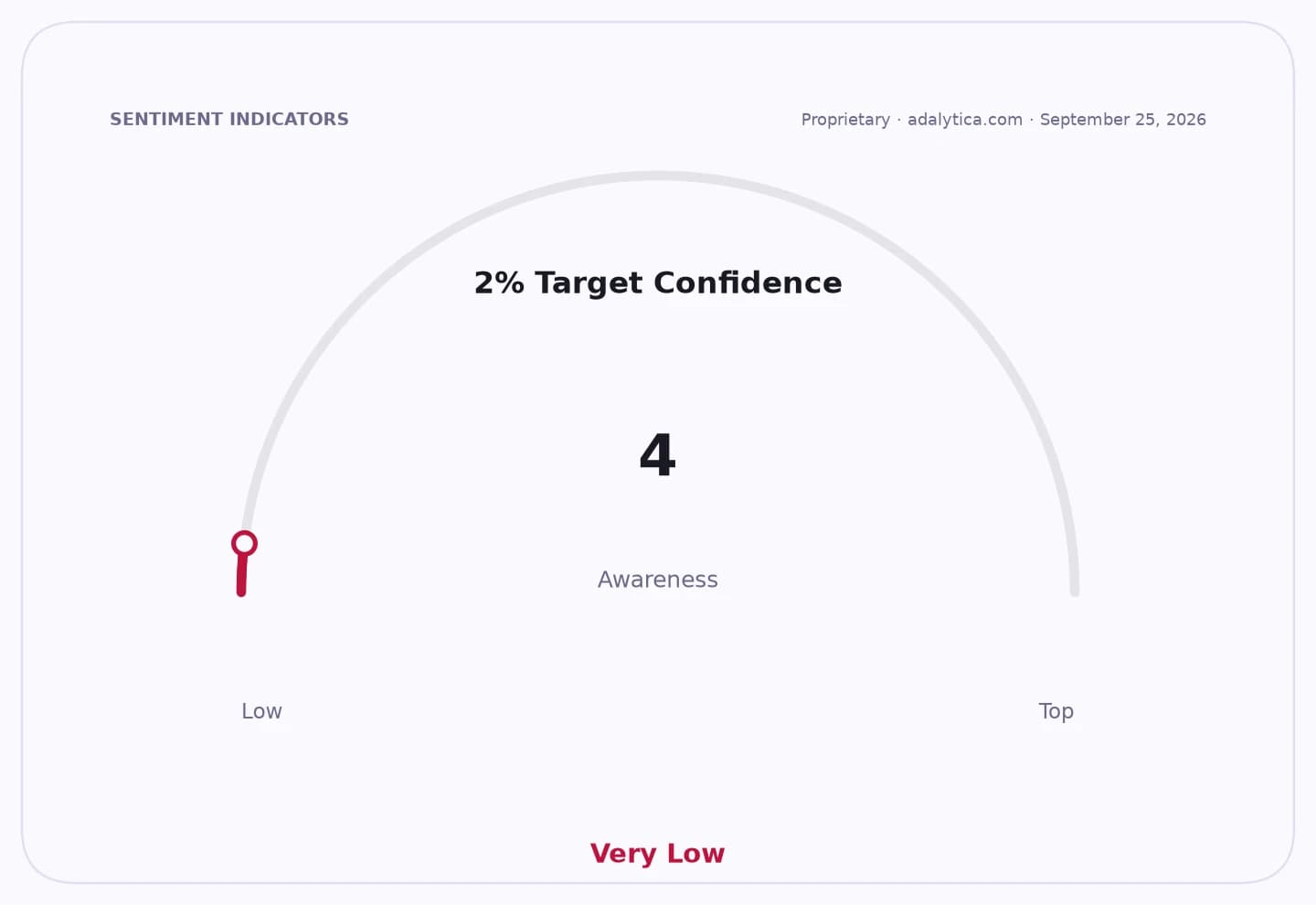
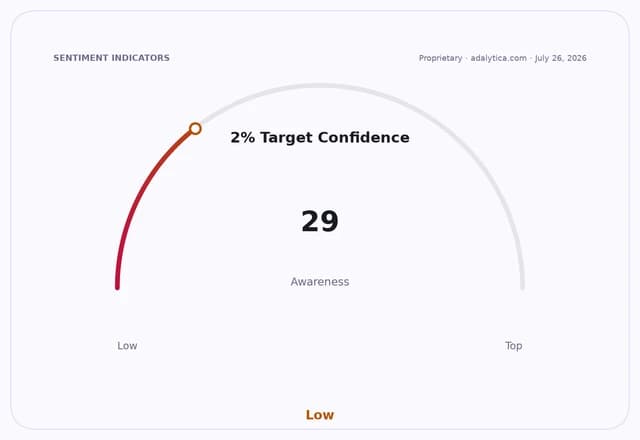
The call also lands against a global backdrop of elevated inflation expectations. Adalytica’s long-term inflation expectations sentiment sits at 39, neutral, while confidence in the Fed’s 2% inflation target is at 11, or extreme fear, underscoring how sensitive markets remain to any sign that price pressures could stay higher for longer. Five-year inflation breakeven sentiment is also neutral at 43, suggesting investors have not fully discounted a clean disinflation path.
For Kyrgyzstan, a 10.2% inflation rate would likely keep real wages under pressure and could crimp consumer demand, especially for imported goods. It also raises the odds that policymakers stay defensive, which matters for sovereign borrowing costs, bank lending and businesses reliant on domestic demand.
Broader inflation trends in major economies add to the caution. U.S. CPI has been running far above pre-pandemic levels, while 2-year Treasury yields are above 4.4% and 10-year yields near 4.75%, reflecting markets’ expectation that rates may stay restrictive. That makes investors more wary of frontier and emerging markets where inflation is still accelerating rather than easing.
The key question now is whether Kyrgyzstan’s price surge proves temporary or feeds into wage-setting and expectations. The next inflation prints and any response from the central bank will be the main catalysts for local assets, credit conditions and the country’s growth outlook.
| Entity | Gains | Losses |
|---|---|---|
| Kyrgyz borrowers | ▲None | ▼Higher loan costs |
| Kyrgyz consumers | ▲None | ▼Purchasing power |
| Banks/lenders | ▲Higher nominal yields | ▼Credit stress risk |
| Inflation hawks | ▲Stronger policy case | ▼None |