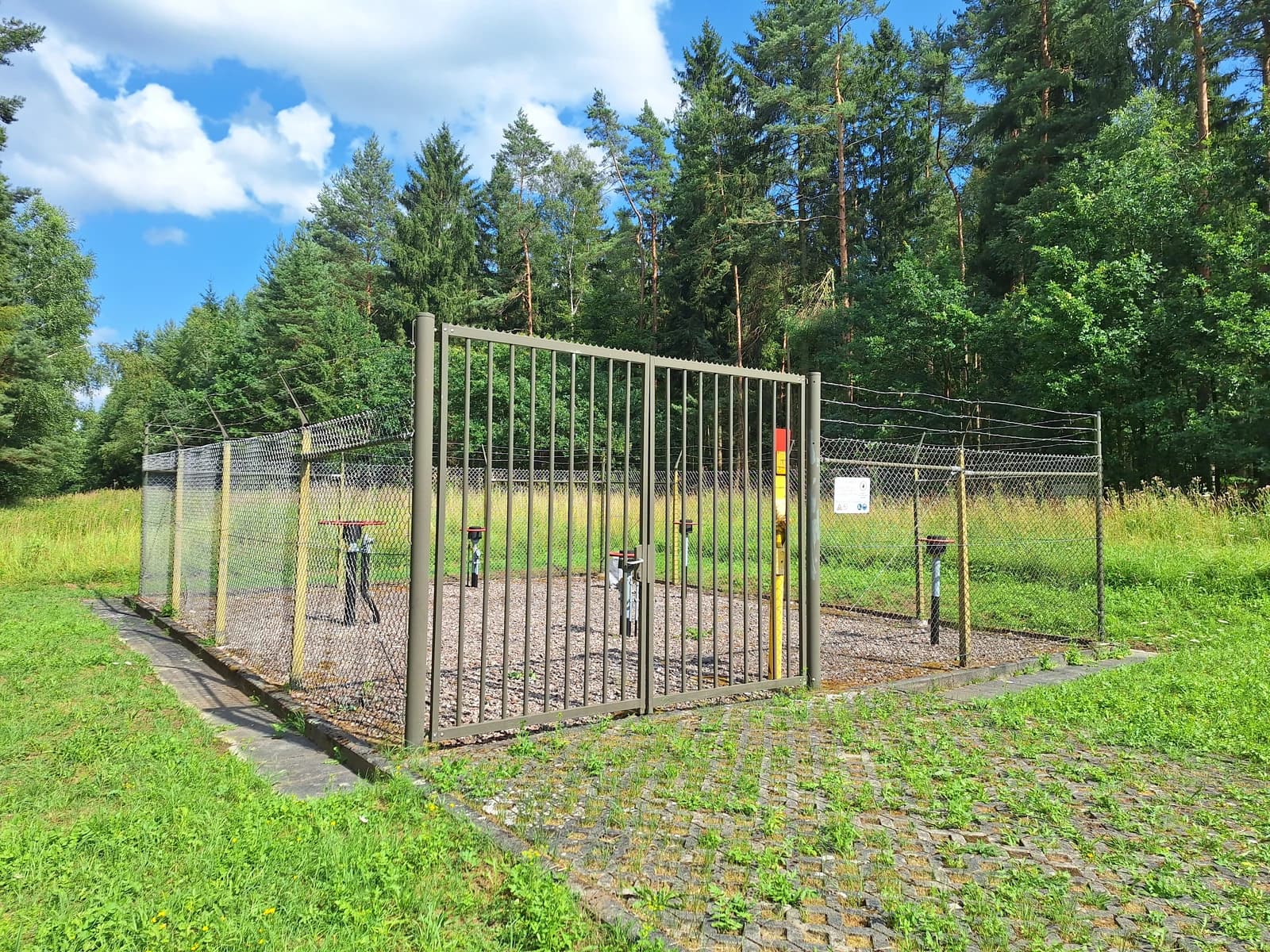
Kyrgyzstan plans to build oil storage facilities to create a reserve of fuel and lubricants, a move that underlines how smaller import-dependent economies are treating energy storage as a security asset rather than a commercial afterthought.
Kyrgyzstan plans oil storage reserves
The immediate economic significance is resilience. By holding physical fuel stocks, Kyrgyzstan can blunt the impact of supply disruptions, transport bottlenecks and price spikes that can quickly filter through to inflation, transport costs and food distribution in a landlocked economy with limited domestic hydrocarbon production. For a country that relies heavily on imported petroleum products, reserves can reduce the risk of abrupt shortages that force emergency purchases at higher prices.
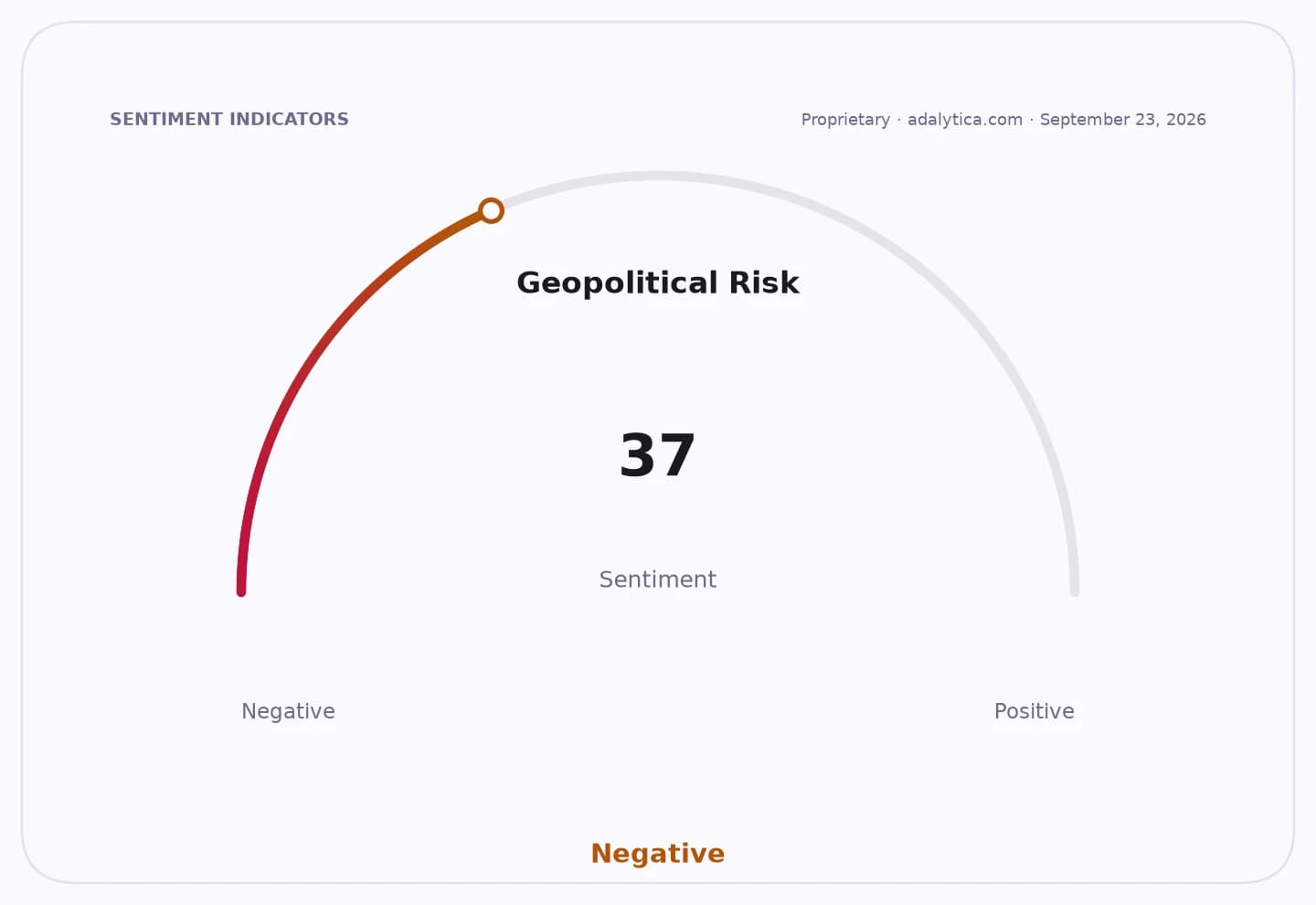
Sentiment IndicatorsⓘProprietary · adalytica.com · August 23, 2026
This is a snapshot — live sentiment, awareness and momentum for 130+ markets update continuously in the dashboard.Open AlphaPulse
The timing fits a broader pattern across energy markets: governments and companies are moving to secure supply after years of volatility in oil, gas and refined products. Oil has remained firm, with Brent and U.S. crude trading in the mid-$80s to high-$80s a barrel in recent sessions, levels that keep import bills elevated for consumers that lack bargaining power. Even when global prices are not in crisis territory, storage gives buyers optionality — the ability to draw down inventories when logistics tighten and replenish when conditions improve.
That matters for investors because strategic stocks can change demand patterns at the margin, supporting regional fuel importers, traders and storage operators while reducing the chance of abrupt policy interventions later. It also signals that governments are increasingly willing to spend on infrastructure that protects supply chains, a theme that can benefit midstream logistics and terminal businesses in frontier markets. In a tighter market, inventory-building by state buyers can add incremental demand and support prices for gasoline, diesel and lubricants.
The step also reflects a wider geopolitical calculation. Countries exposed to corridor disruptions, sanctions risk or shipping constraints are reassessing whether just-in-time fuel procurement is enough. Building reserves is a low-profile but high-impact hedge against everything from adverse weather to regional instability. For Kyrgyzstan, the benefit is less about trading gains and more about avoiding economic shock if imports are delayed or prices jump.
For investors, the key question is execution: the size of the reserve, who finances it, where the storage is built and how quickly it can be filled. A credible reserve program would lower supply risk over time, but it could also add near-term pressure to import demand and foreign-exchange needs. If implemented well, the plan would be a small but clear sign that energy security is becoming part of economic policy in emerging markets.
| Entity | Gains | Losses |
|---|---|---|
| Kyrgyzstan government | ▲Supply security | ▼Upfront fiscal costs |
| Fuel importers/traders | ▲Higher storage demand | ▼Tighter near-term inventories |
| Consumers/businesses | ▲Lower shortage risk | ▼Potentially higher fuel bill |
| Alternative buyers in region | ▲Fewer disruption shocks | ▼Less spare import capacity |