Forage producers in La Laguna who blocked Torreón’s Periférico Raúl López Sánchez are confronting a problem that goes well beyond one roadway: a crop-price squeeze that threatens farm income, regional supply chains and the wider politics of agricultural support.
La Laguna Sorghum Protest Signals Grain Price Risk
The protest over sorghum prices lands at a moment when farmers across export-oriented and domestically focused agricultural markets are under pressure from volatile input costs, uneven demand and weak bargaining power. In Mexico’s northern grain belt, those pressures are amplified because sorghum is not just a local cash crop but a key feed ingredient for livestock producers and food processors, making any pricing dispute economically relevant for buyers as well as growers.
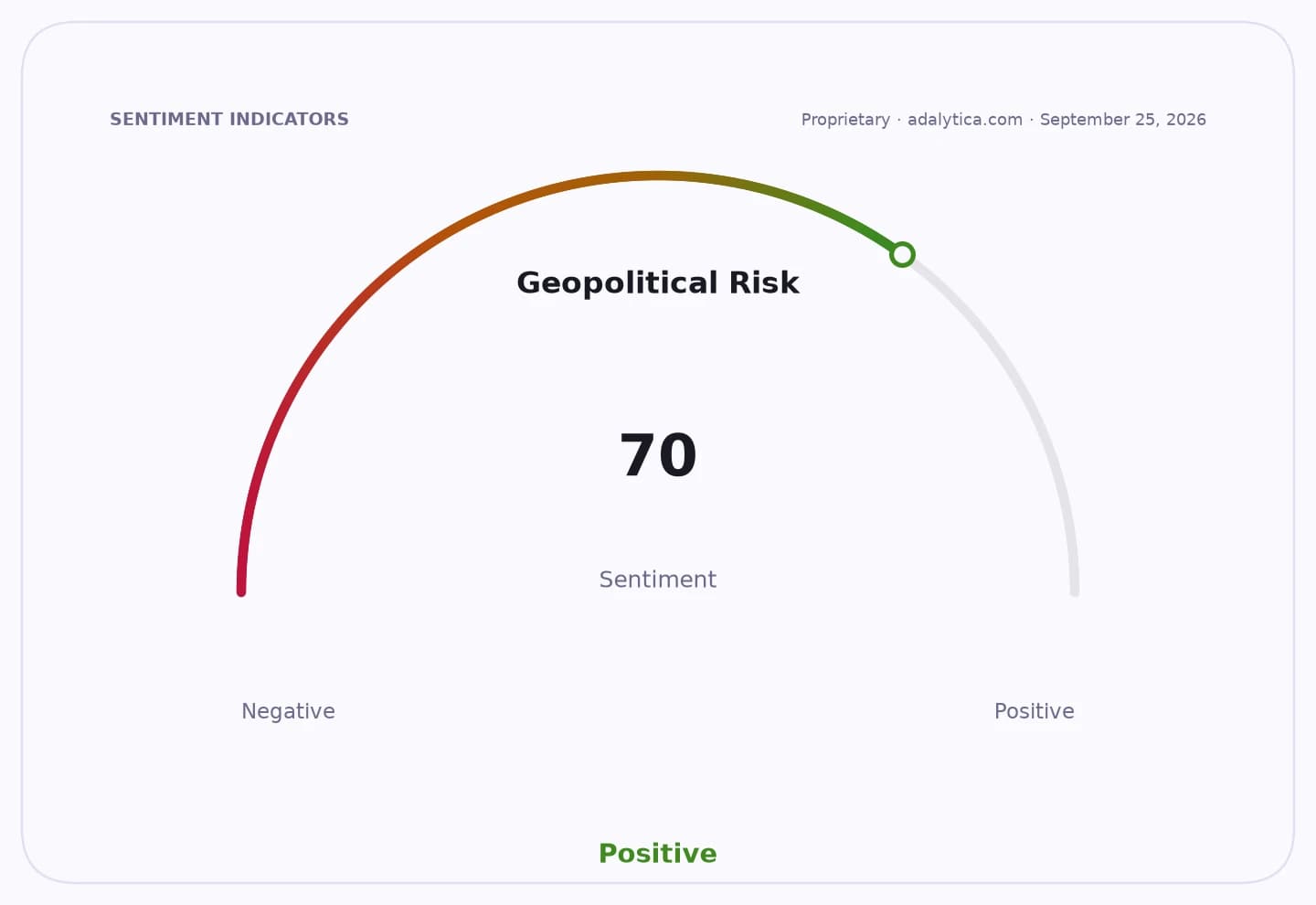
Sentiment IndicatorsⓘProprietary · adalytica.com · July 23, 2026
This is a snapshot — live sentiment, awareness and momentum for 130+ markets update continuously in the dashboard.Open AlphaPulse
The broader macro backdrop is not especially supportive for producers trying to force better terms. U.S. inflation is running well below the peaks seen in the past few years, and producer prices have eased from the 2022 highs that rattled agricultural supply chains. Yet that cooling at the aggregate level does not automatically translate into relief for farmers, who still face expensive fuel, fertilizer, logistics and financing costs. Adalytica’s trade signals show WTI crude-related sentiment elevated, a reminder that energy costs can stay sticky even when headline inflation moderates. That matters for sowing, hauling and irrigation in a region where margins can turn on transport and diesel.
The tension also reflects a classic agricultural market mismatch: growers sell into a relatively concentrated buying base while facing dispersed, highly variable production risks. When farmers say the offered price is unfair, they are usually arguing not just about today’s spot value but about whether the market is covering total cost of production. If it does not, acreage decisions can shift, yields can be left unharvested, and local supply can tighten later in the season. That is why road blockades often become a policy issue quickly: they are a sign that normal price discovery has broken down in the eyes of producers.
For investors, the immediate read-through is not a direct trade in the Periférico protest itself but the possibility of wider dislocation in grains and feed markets if unrest spreads or policy makers respond with subsidies, minimum-price schemes or emergency purchases. U.S.-listed agri-commodity vehicles have already shown a mixed but firm tone. Corn futures have climbed above their 50-day and 200-day moving averages, with RSI readings in overbought territory, suggesting the market has been pricing in tighter conditions. The Teucrium Wheat Fund has also moved higher, with technical momentum turning positive. That does not prove Mexican sorghum trouble will lift prices globally, but it does show how quickly grain markets can reprice when supply risks or policy intervention rise.
The bull case for producers is straightforward: a more assertive government response could stabilize farm incomes and prevent further social unrest in La Laguna, one of Mexico’s important agricultural regions. The bear case is that prolonged protests may delay deliveries, pressure local processors and expose farmers to retaliatory pricing or lost contracts if buyers seek more reliable sourcing elsewhere.
The next catalyst will be whether authorities treat the blockade as a short-term labor dispute or as a signal of structural strain in the sorghum market. If talks fail, the issue could spread beyond Torreón and turn into a broader test of how much fiscal support Mexico is willing to extend to growers facing thin margins and rising production costs.
| Entity | Gains | Losses |
|---|---|---|
| Forage producers | ▲Higher sorghum prices | ▼Cash flow strain |
| Livestock/feed buyers | ▲Supply stability if talks succeed | ▼Higher input costs |
| Mexican authorities | ▲Chance to negotiate | ▼Political pressure |
| Grain traders | ▲Volatility opportunities | ▼Disrupted logistics |