U.S. employers are heading into another labor-cost test as the job market remains tight and payrolls continue to expand, raising the stakes for whether “trusted” salaried workers can be denied overtime pay. The issue matters because it goes straight to margins for retailers, restaurants and other labor-intensive businesses, and to take-home pay for millions of workers.
Labor Costs Pressure Retail and Consumer Stocks

The economy is still adding jobs, but not fast enough to suggest labor pressure is gone. Nonfarm payrolls are forecast to rise to 159,170.9 million in July from 158,984 million in June, while unemployment is projected at 4.18% versus 4.2% in June, according to the data context. That leaves employers with limited room to absorb higher wage bills without either lifting prices, trimming hours or slowing hiring.

That’s why overtime classification has become a live cost issue for companies that rely on large hourly and salaried workforces. Retailers, grocers, warehouse operators and fast-food chains typically watch wage-and-hour rules closely because even small changes in eligibility can ripple through thousands of employees and quickly show up in operating margins.
The market backdrop reflects that pressure. The Industrial Select Sector SPDR Fund, XLI, is trading near 178.66, above its 50-day moving average of 176.95 and 200-day moving average of 165.44, but its RSI reading of 28.7 suggests the fund has recently been in oversold territory. Consumer discretionary ETF XLY is weaker at 114.87, roughly flat with its 200-day average of 116.91 and below its 50-day average of 116.9, underscoring investor caution around labor-sensitive consumer names.
UNRATE vs PAYEMS — macro contextadalytica.com
Explore this data interactively — full history, time series and cross-market comparisons.Open AlphaPulse
The broader equity market is firmer. The SPDR S&P 500 ETF Trust, SPY, closed at 748.28, above its 50-day average of 743.81 and 200-day average of 694.27, showing investors still have some appetite for risk even as payroll and wage policy questions linger. But labor costs remain a key margin variable, especially for companies such as Walmart, McDonald’s and Costco, which have flagged staffing and labor-related pressures in recent filings.
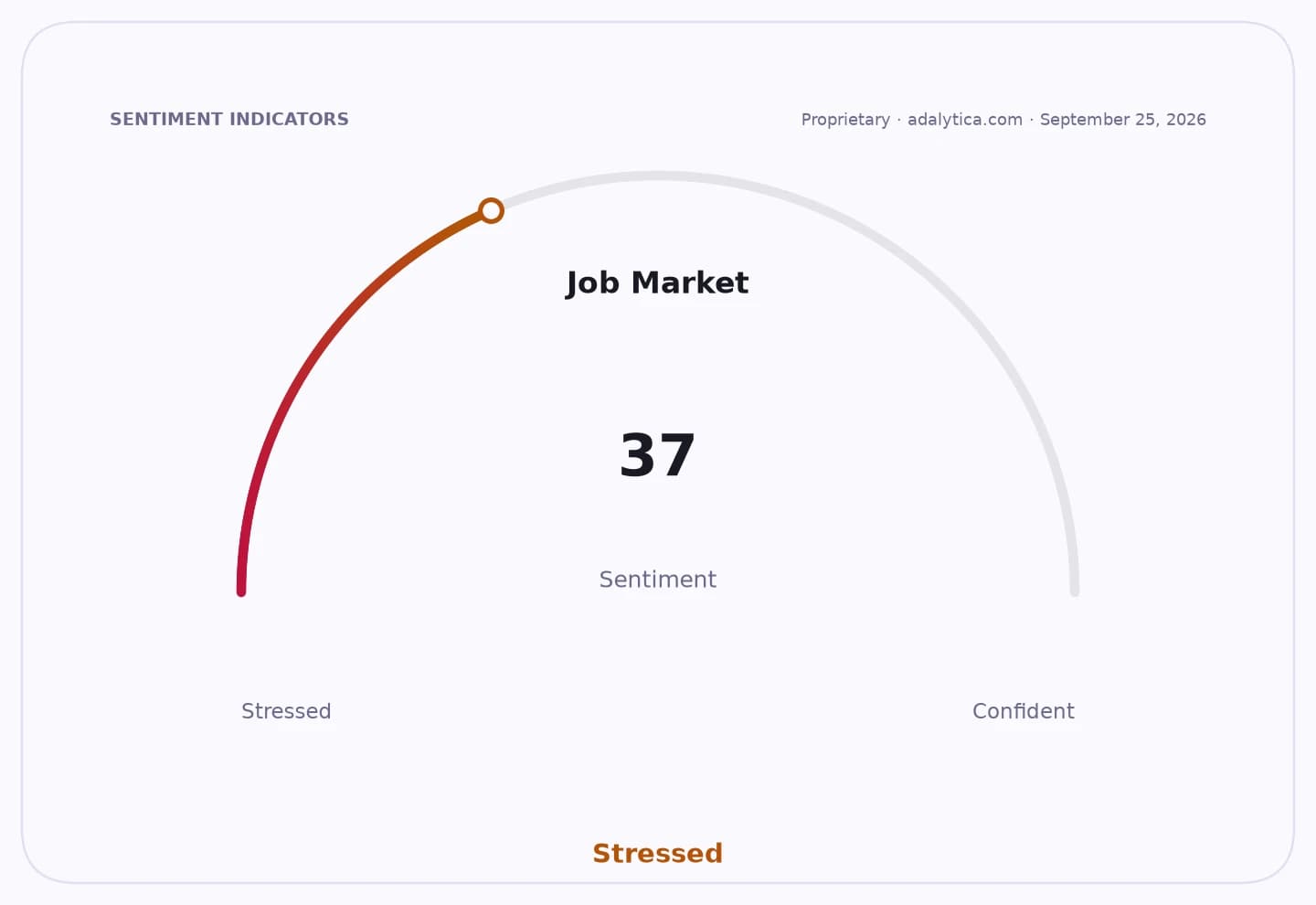
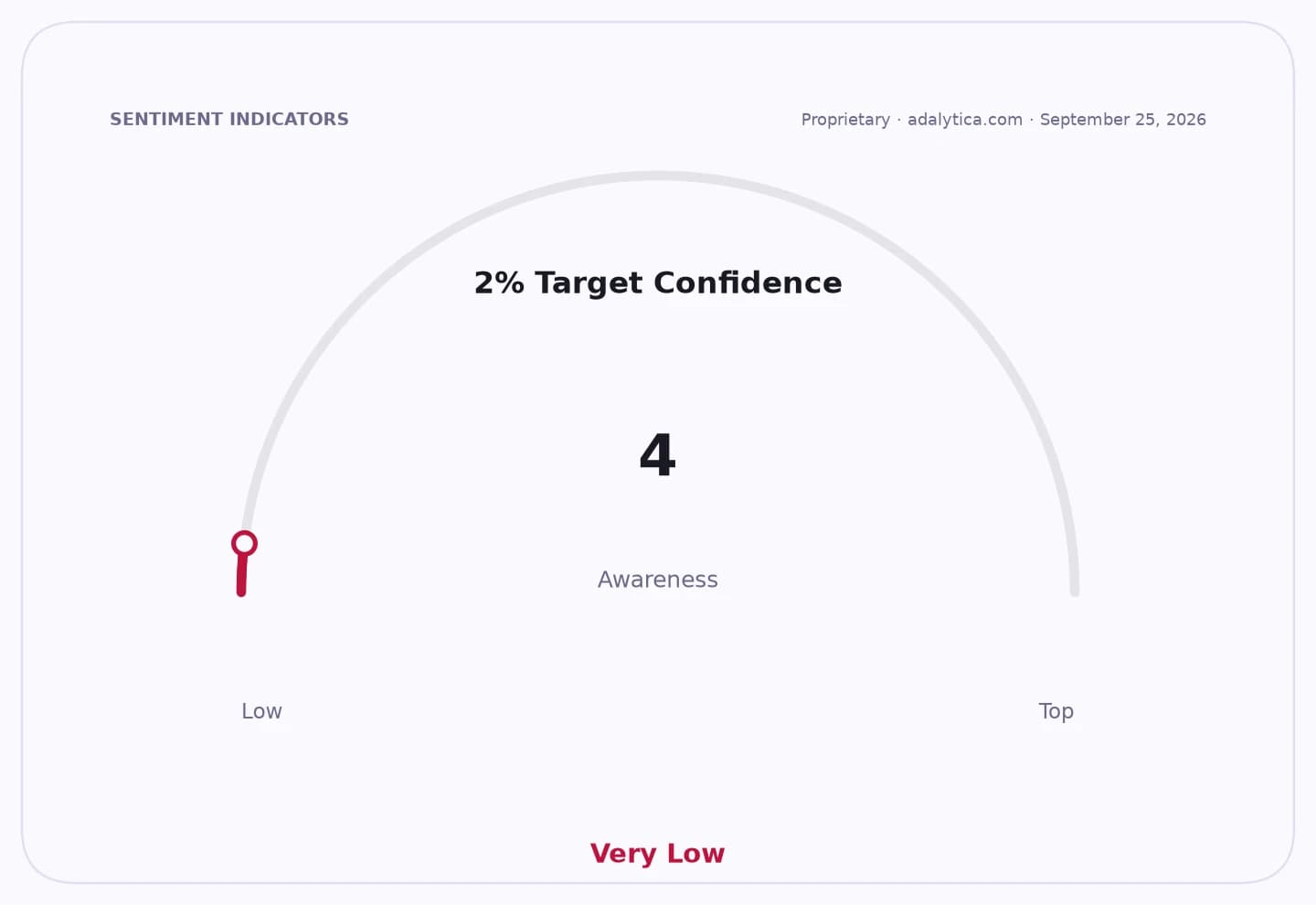
Adalytica’s Nonfarm Payrolls Sentiment gauge sits at 64, labeled Neutral, while Job Market Sentiment reads 96, or Extreme Greed, with awareness still in Extreme Fear. That combination points to a labor market that is still viewed as strong, but with nervousness around what that strength means for policy, pay and corporate costs.
For investors, the key question is not just whether overtime rules change, but who pays. If more workers become eligible for overtime, employers could face higher wage expense and narrower margins; if companies offset that with prices or reduced hours, consumer spending could take a hit. The next payroll report and any regulatory moves on wage-and-hour enforcement will be the next catalysts.
| Entity | Gains | Losses |
|---|---|---|
| Workers | ▲Higher overtime eligibility | ▼Fewer unpaid extra hours |
| Employers | ▲More staffing flexibility if rules stay loose | ▼Higher labor costs if overtime expands |
| Retailers and restaurants | ▲Stable margin if wage rules hold | ▼Margin pressure from payroll inflation |
| Investors in labor-heavy stocks | ▲Clearer cost outlook | ▼Valuation risk from rising wages |