Insured homeowners caught in landslides can still be left paying mortgages on homes they cannot safely live in, a gap in disaster protection that is becoming more economically significant as climate-driven damage pushes insurers, lenders and households into a tighter squeeze.
Landslide Coverage Gaps Pressure Housing Finance
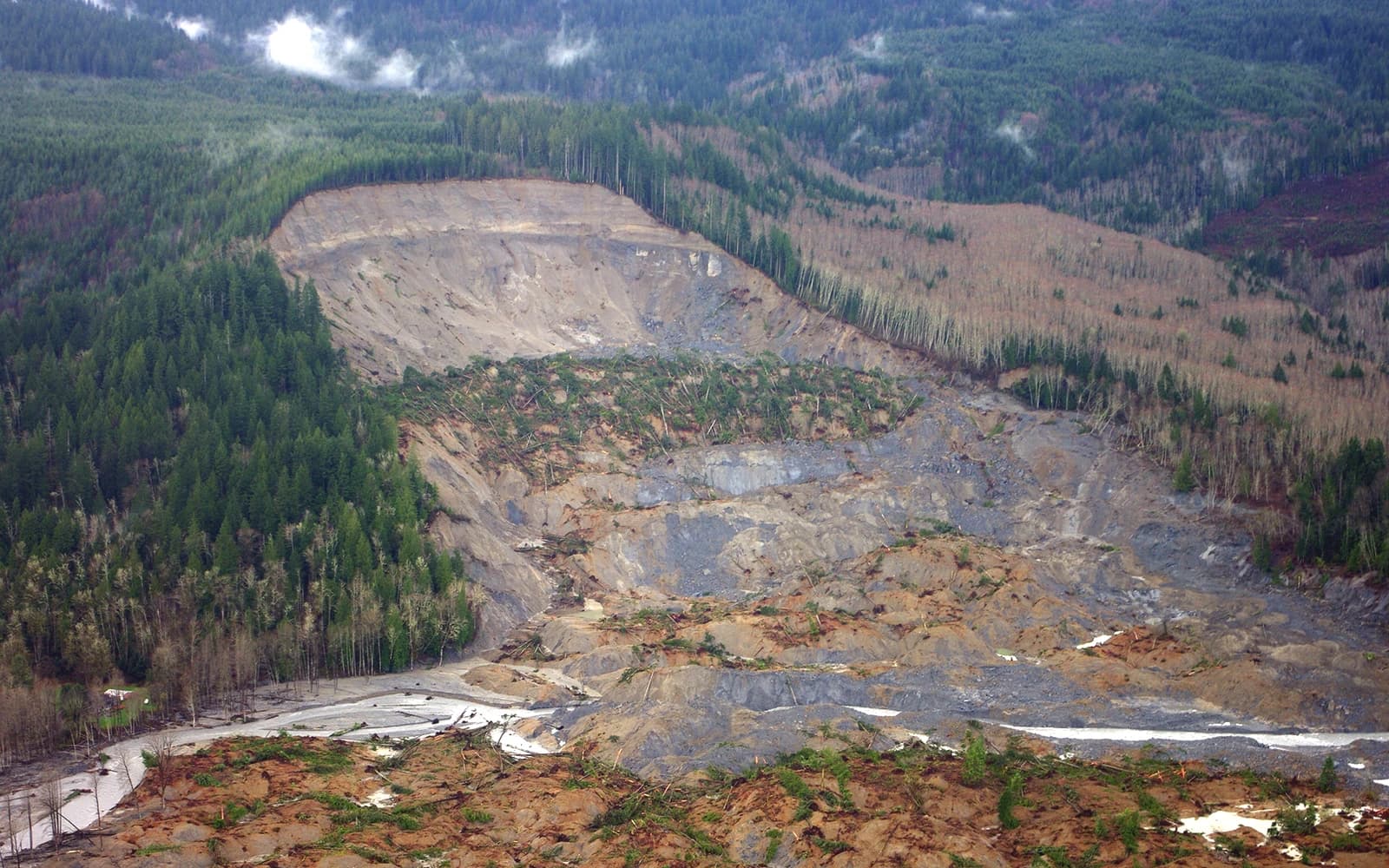
The problem is not simply the physical destruction of a house. It is the financial mismatch that follows: a mortgage remains due even when a property is uninhabitable, while standard homeowners policies often do not cover the full cost of land movement, slope failure or the broader expenses needed to make a site safe again. For families in landslide-hit areas, that can mean carrying debt on an asset that has effectively been written off.
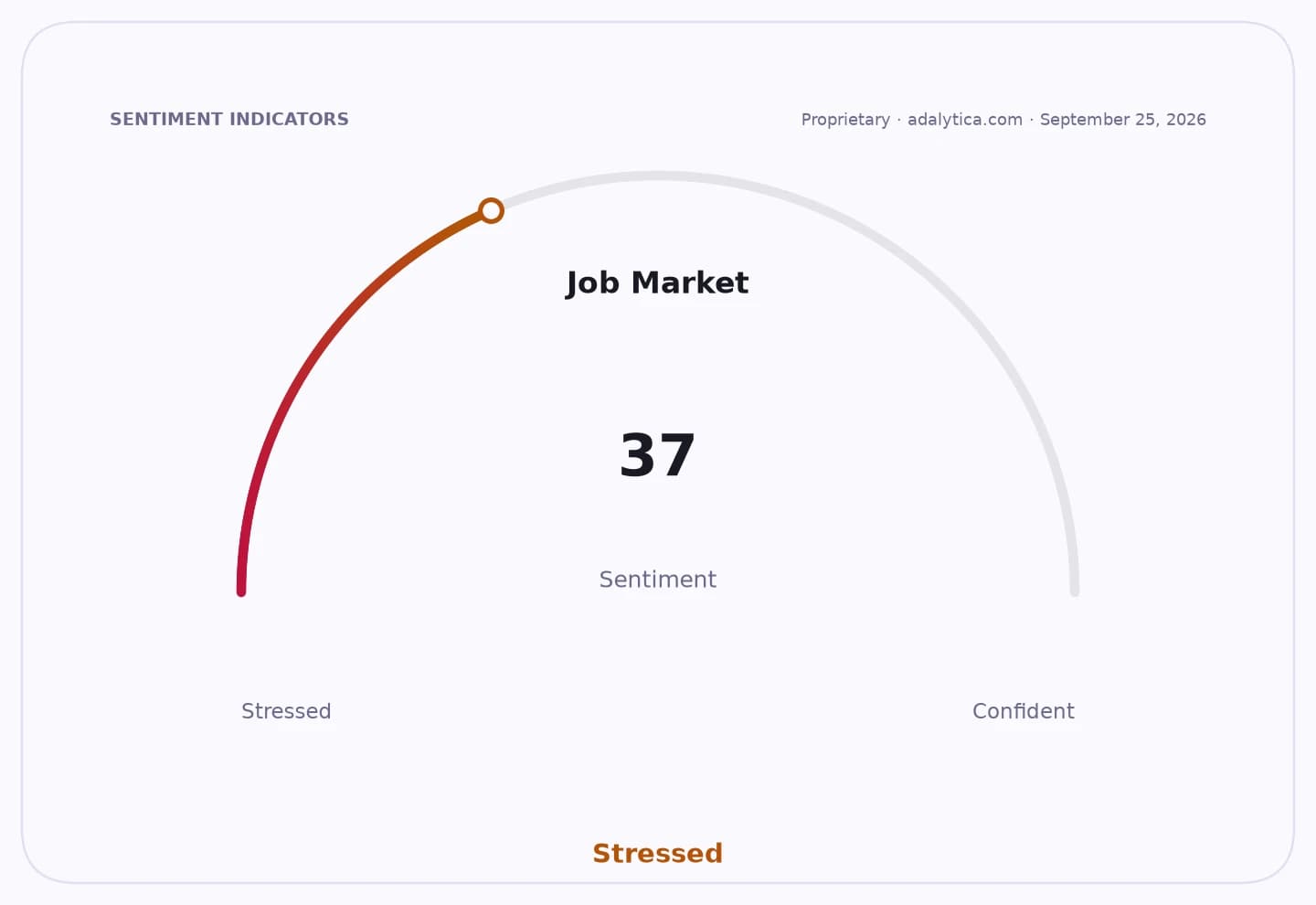
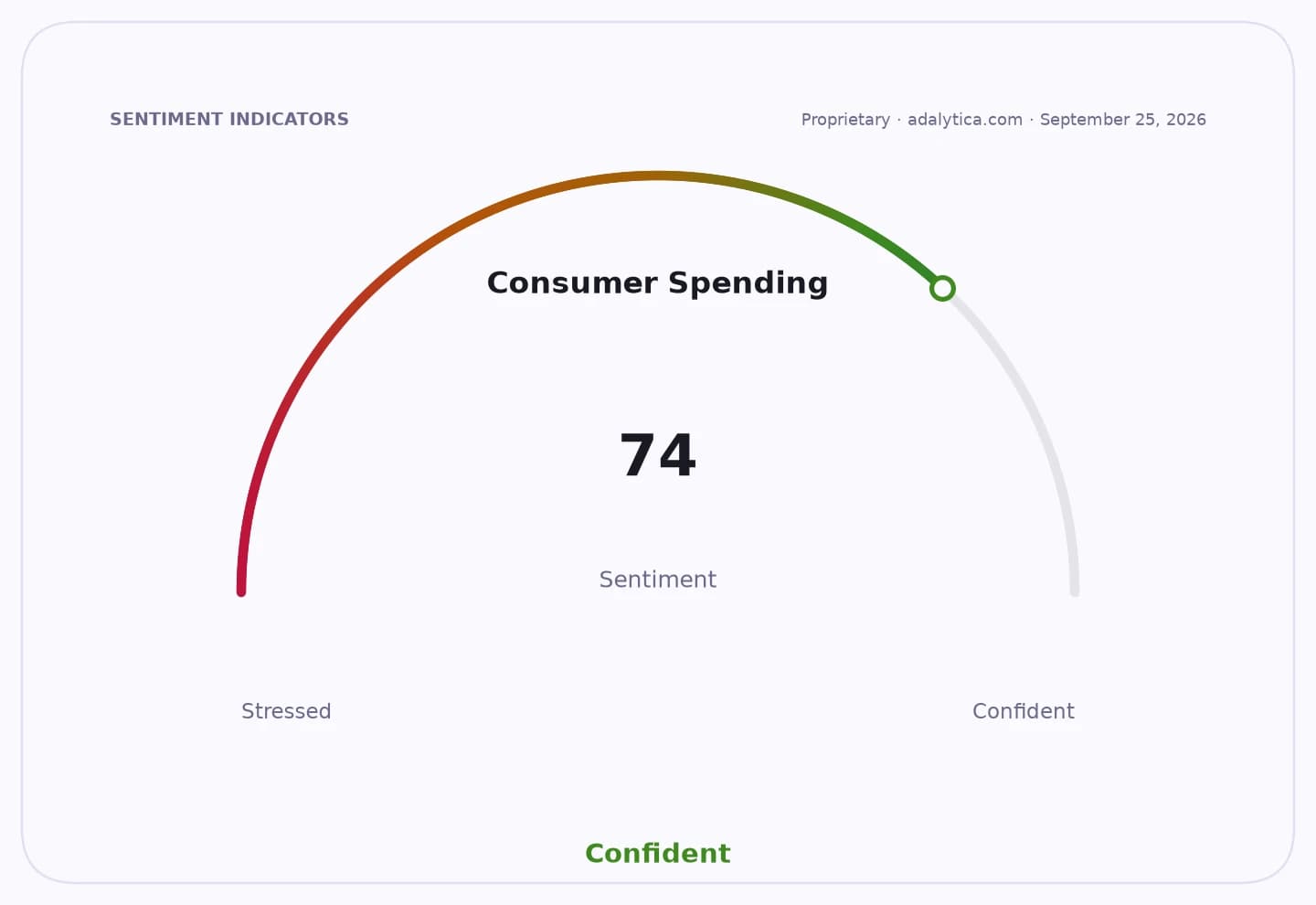
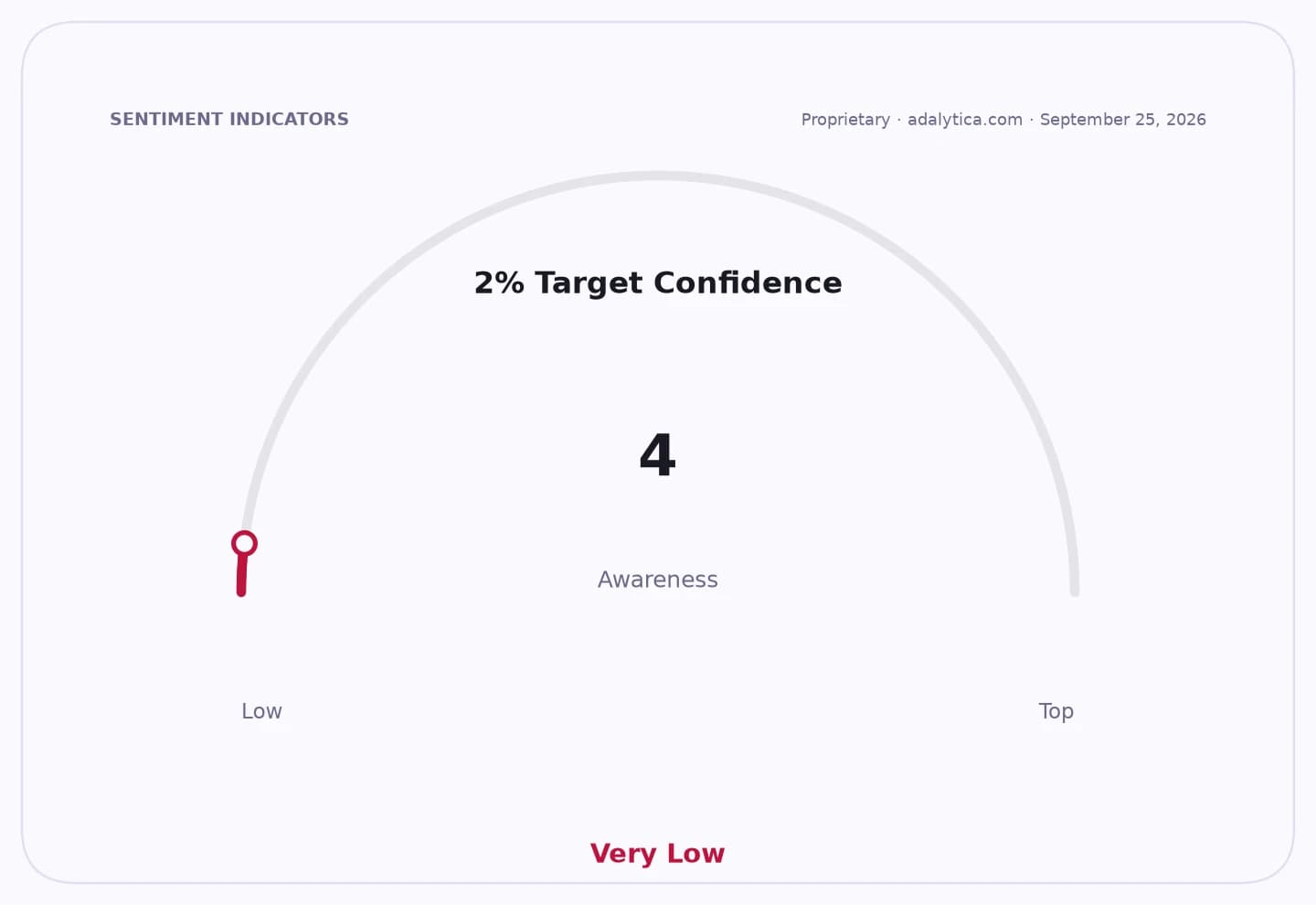
Sentiment IndicatorsⓘProprietary · adalytica.com · July 19, 2026
This is a snapshot — live sentiment, awareness and momentum for 130+ markets update continuously in the dashboard.Open AlphaPulse
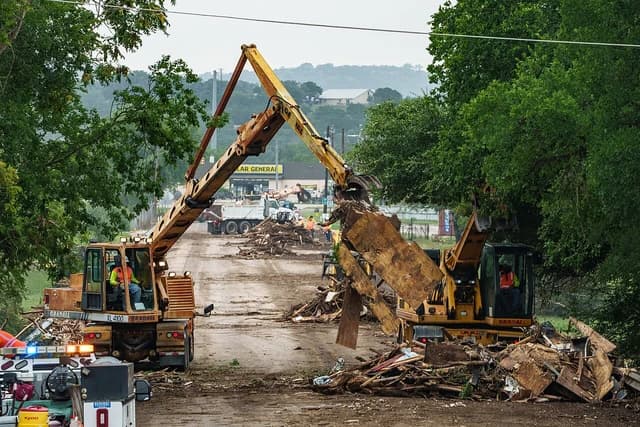
That risk matters beyond a single disaster zone because it exposes how fragile the housing finance chain can be when climate losses do not map neatly onto insurance language. Landslides, flood-related ground failures and other secondary catastrophe losses are often excluded, limited or hard to quantify, leaving homeowners to rely on aid, litigation or lender forbearance. In practice, that can turn a local natural disaster into a household solvency issue.
The issue is landing at a time when property and casualty insurers are already absorbing more catastrophe losses. Travelers, which disclosed in its latest quarterly filing that gross claims and claim adjustment expense reserves rose by $1.49 billion since Dec. 31, said the increase mainly reflected catastrophe losses in the first half of 2026 and current-year loss trends. Allstate has also been flagging estimated catastrophe losses in monthly disclosures. Those filings underscore that the insurance industry is still adjusting to a broader pattern of severe-weather claims even before the full economic cost of slope failures and landslides is visible.
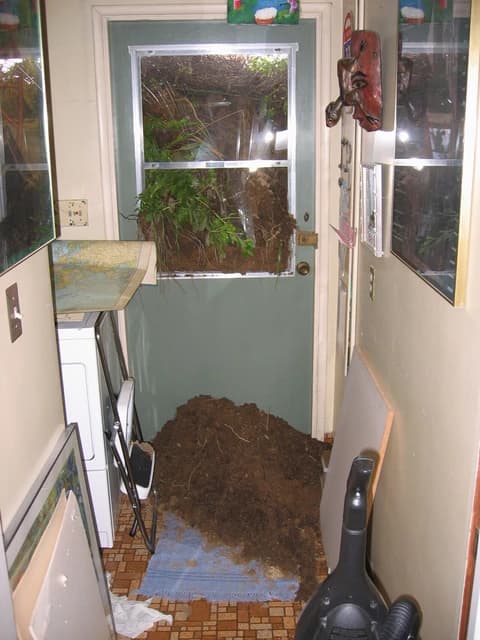
That has implications for investors in insurers such as Travelers and Allstate, where catastrophe exposure can pressure reserve development, margins and capital returns if losses prove more frequent or less insurable than pricing assumed. It also matters for mortgage lenders and bondholders because uninsured or underinsured disaster losses can raise delinquency risk, especially if damaged homes lose value faster than borrowers can exit. The stress may not show up immediately in national housing data, but it can create pockets of credit deterioration in exposed regions.
Housing market data point to a still-tight backdrop rather than a broad collapse. The S&P CoreLogic Case-Shiller home price index was up more than 50% from mid-2022 lows to 2026, while U.S. housing starts have been volatile and were forecast to soften again in July. Elevated home values can cushion some borrowers on paper, but they do little for owners whose land is unsafe or unusable. In those cases, equity can vanish faster than a policyholder can realize a claim.
For insurers, the bull case is that pricing, reinsurance and underwriting discipline eventually catch up with weather-related losses, limiting damage to profits. The bear case is that more disasters fall into coverage gaps, pushing dissatisfaction, legal claims and political pressure higher while leaving homeowners, not insurers, to absorb the residual loss. For lenders and local housing markets, the bigger worry is that repeated climate events begin to erode confidence in collateral values in vulnerable geographies.
The immediate outlook depends on how far policymakers, insurers and lenders are willing to extend relief after disasters. If coverage remains narrowly defined, more households will find themselves in the same position as landslide victims paying for homes they cannot live in and cannot afford to restore. That is a social problem first, but it is also a warning that climate risk is migrating from the edge of the property market into the core of housing finance.
| Entity | Gains | Losses |
|---|---|---|
| Insurers with disciplined pricing | ▲Higher premiums, tighter underwriting | ▼More claims disputes |
| Homeowners in landslide zones | ▲Disaster aid if available | ▼Mortgage burden, lost housing |
| Mortgage lenders | ▲Continued loan payments in theory | ▼Rising default and collateral risk |
| Reinsurers | ▲Demand for catastrophe coverage | ▼Larger secondary-loss exposure |