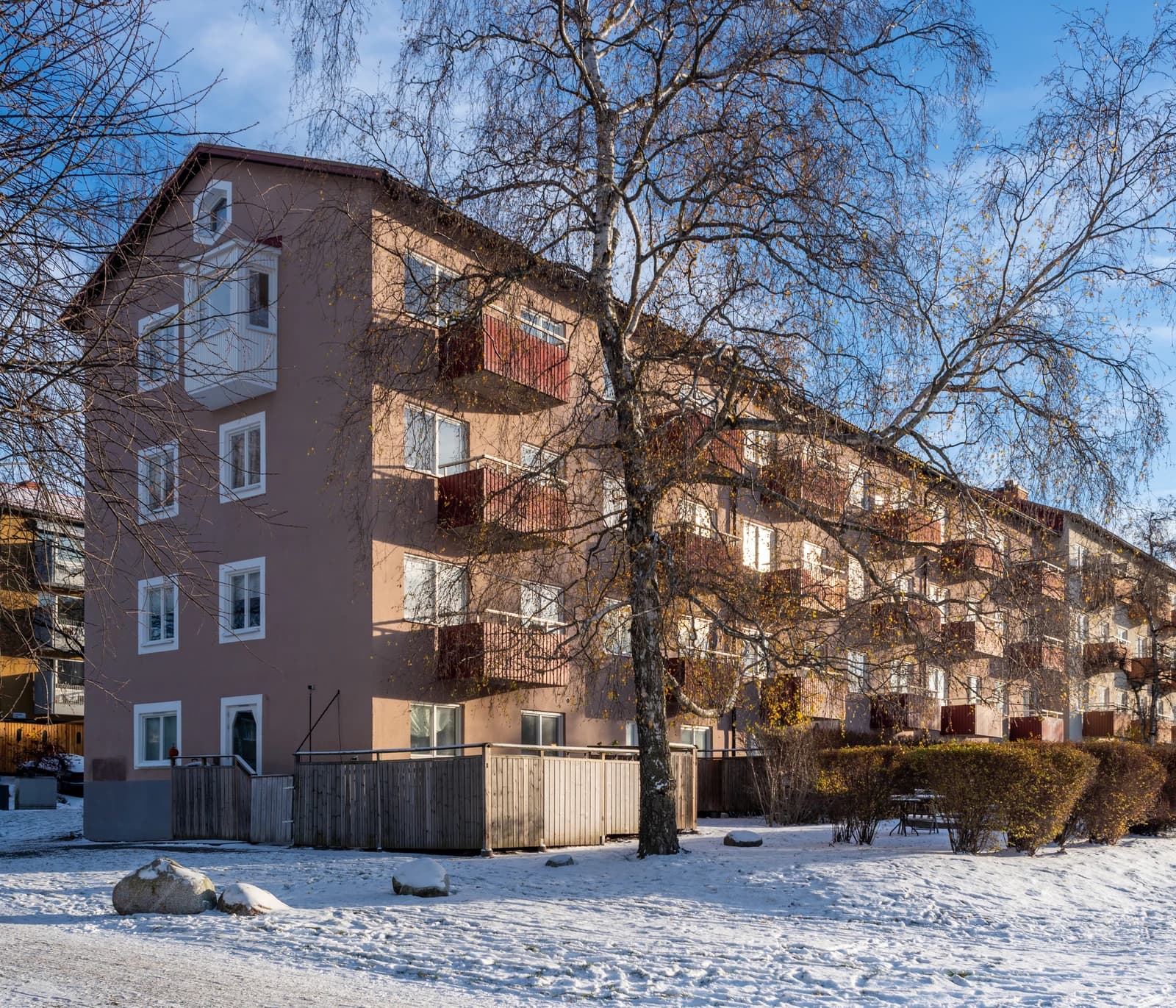
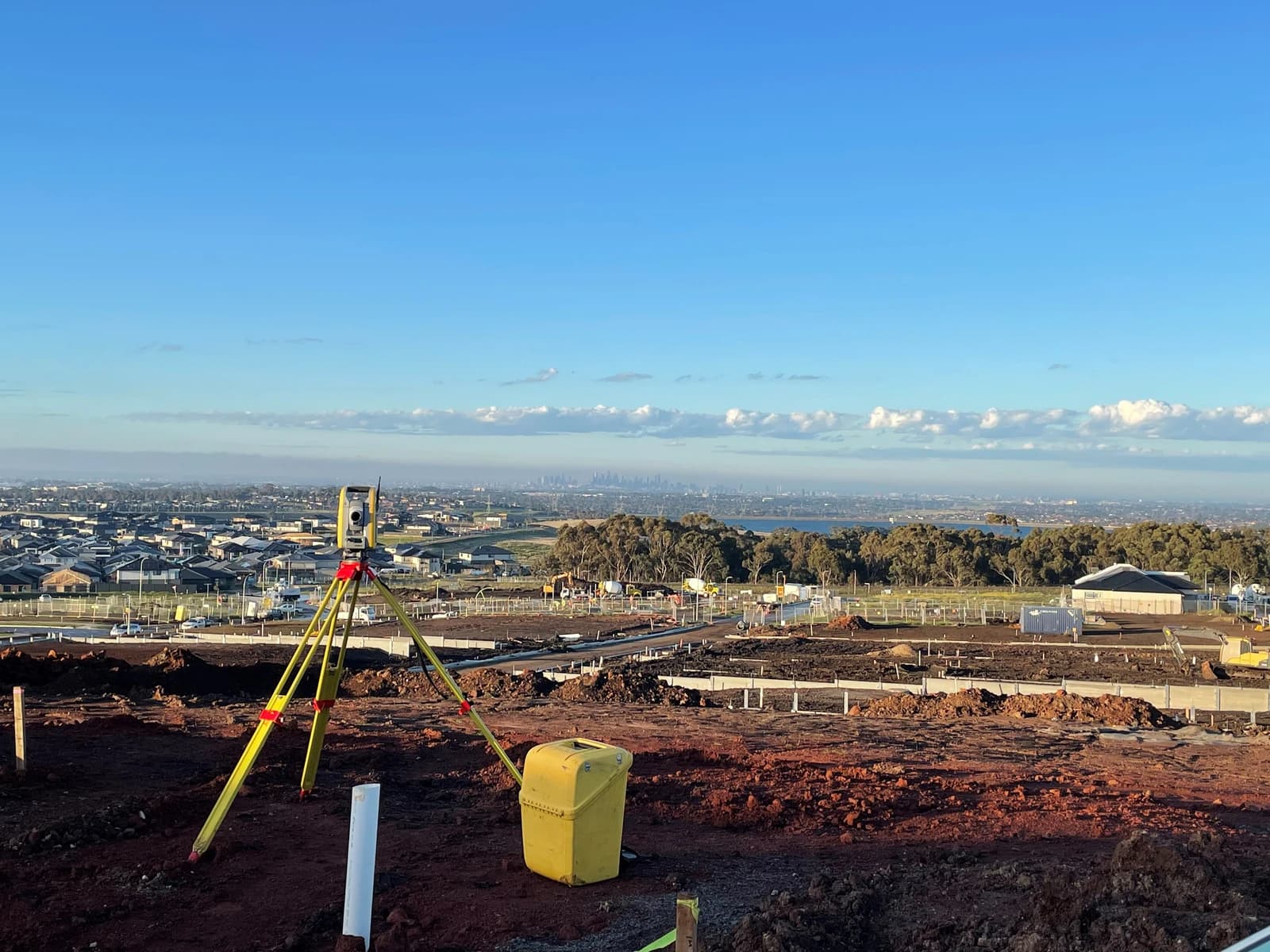
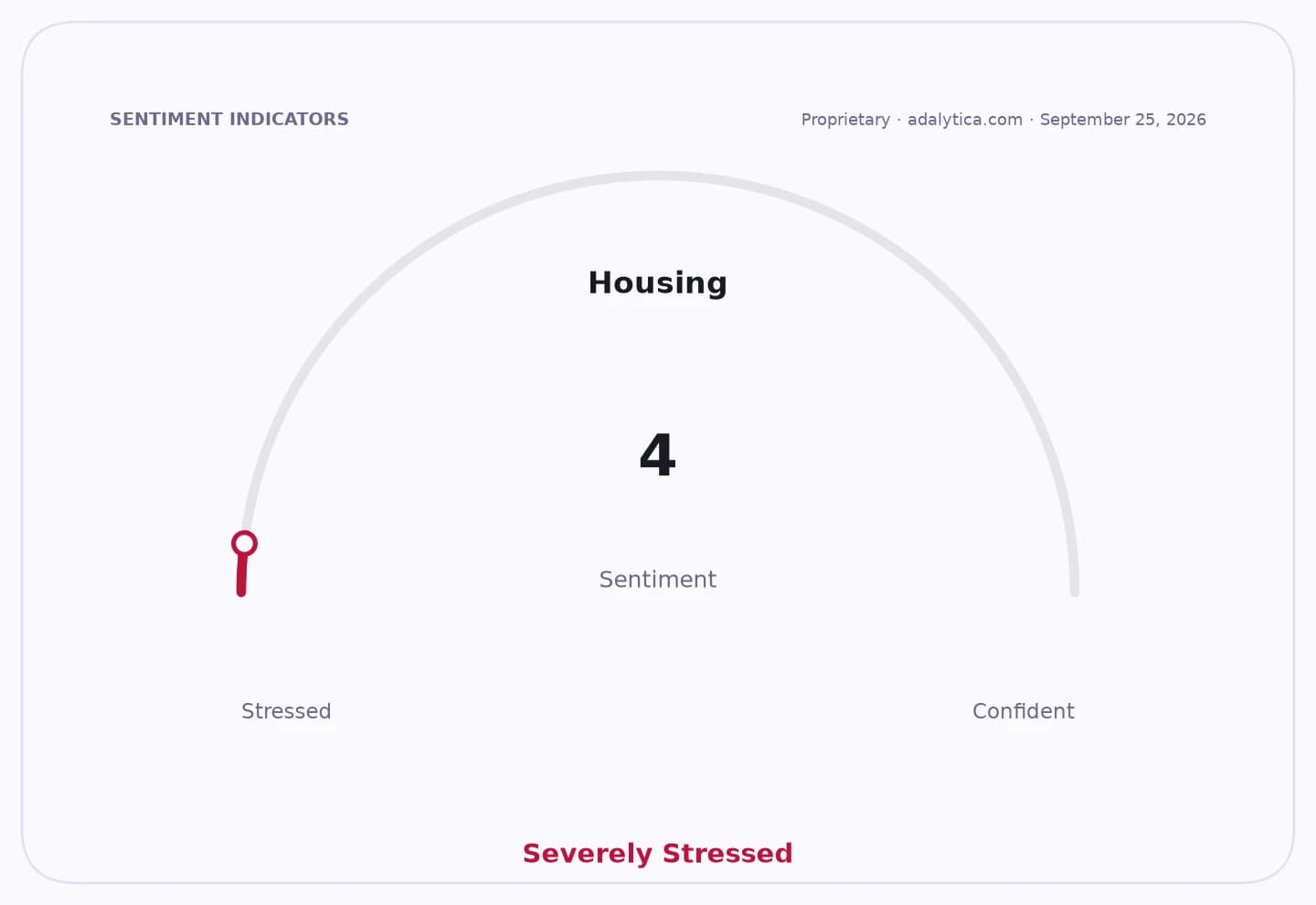
Leipzig’s housing shortage is not being solved by building more apartments, but by building the wrong ones in the wrong places for the market that exists now. Despite a citywide lack of housing, newly completed units are sitting empty, underscoring a widening gap between headline supply and what tenants can actually afford or want.
Leipzig New-Build Vacancies Warn of Mispriced Supply
That mismatch matters economically because housing is one of the clearest pressure points in German urban inflation, labour mobility and local investment returns. When demand is strong in aggregate but weak at the level of specific units, capital gets misallocated: developers face slower lease-up, banks and financiers take longer to recover cash flow, and public policy aimed at boosting supply fails to ease rent pressure where it is most acute.
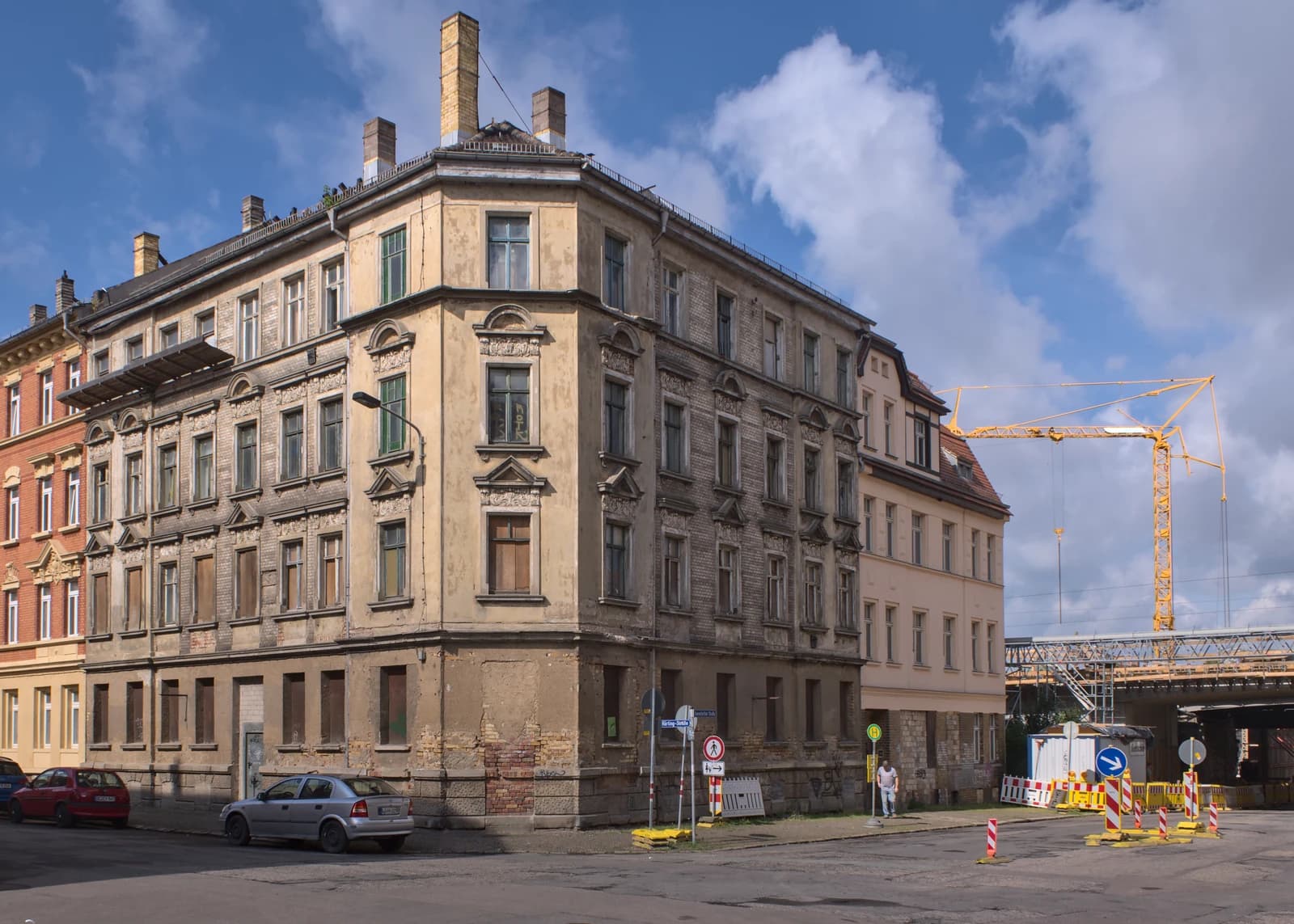
Sentiment IndicatorsⓘProprietary · adalytica.com · July 19, 2026
This is a snapshot — live sentiment, awareness and momentum for 130+ markets update continuously in the dashboard.Open AlphaPulse
The wider backdrop is a housing market still scarred by years of underbuilding, higher financing costs and shifting household budgets. Germany’s unemployment rate is low at 4.2% and the labour market remains broadly supportive, but that has not translated into a smooth absorption of new stock. In Leipzig, the problem appears to be less about a lack of people than a lack of affordability, product-market fit and location-specific demand. New-build rents and purchase prices have risen sharply in recent years across German cities, but buyers and tenants are increasingly price-sensitive, particularly as borrowing costs remain elevated relative to the ultra-low-rate era.
For developers, that creates a difficult equation. New construction typically needs higher rents to cover land, materials, labour and financing costs, yet those rents can be above what local households will pay, especially in secondary cities where wage growth has not kept pace with development costs. Empty new buildings suggest not a housing glut in the broad sense, but a two-tier market in which older, cheaper stock remains scarce while premium new units are harder to place. That is a warning sign for project economics, and a reminder that gross supply numbers can obscure real slack at the affordable end.
The equity market implications are more nuanced. The sector backdrop remains constructive in the United States, where the housing ETF XHB has held up well and a broad housing sentiment gauge is in “Extreme Greed,” but that optimism does not map neatly onto Europe’s urban rental markets. Investors in German residential developers, local builders and property funds should read Leipzig as a cautionary example: vacancy in new stock can pressure rental growth, delay stabilization, and weaken the valuation case for fresh projects even when the city is still short of homes overall.
The bullish case is that today’s empty units will eventually be absorbed as households seek modern housing, and that persistent undersupply across Leipzig should support prices over time. The bearish case is that interest rates, household affordability and tenant preferences have changed enough that parts of the new-build pipeline will remain structurally underoccupied, forcing developers to cut prices, offer incentives or halt projects altogether.
What happens next will depend on whether builders, lenders and city officials can narrow the gap between what gets financed and what the market can absorb. If they cannot, Leipzig will be another example of Europe’s housing paradox: not too much housing, but too little housing that people can actually take.
| Entity | Gains | Losses |
|---|---|---|
| Tenants seeking affordable older homes | ▲More bargaining power | ▼Fewer modern options |
| Developers of premium new builds | ▲Higher rents if absorbed | ▼Vacancy and slower lease-up |
| Lenders and landlords | ▲Long-term asset scarcity | ▼Near-term cash flow pressure |
| City policymakers | ▲Pressure to reform planning | ▼Credibility if supply misses demand |