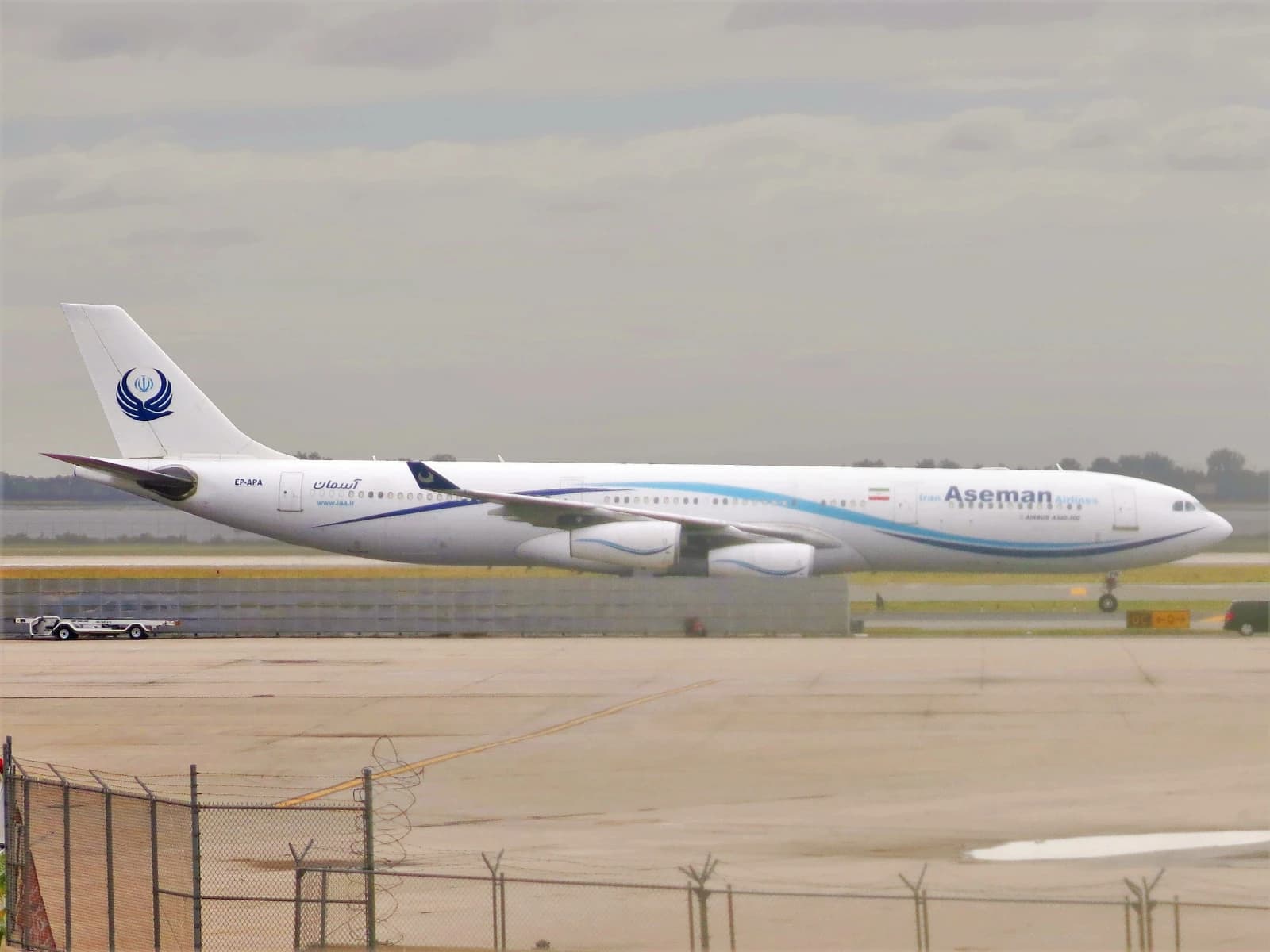
Legislative travel by Libyan deputies has cost the treasury 5.6 million dinars, a small line item that nonetheless captures a much larger problem: a state whose spending is still expanding even as public finances deteriorate and basic services weaken.
Libya Travel Spending Signals Fiscal Discipline Risks
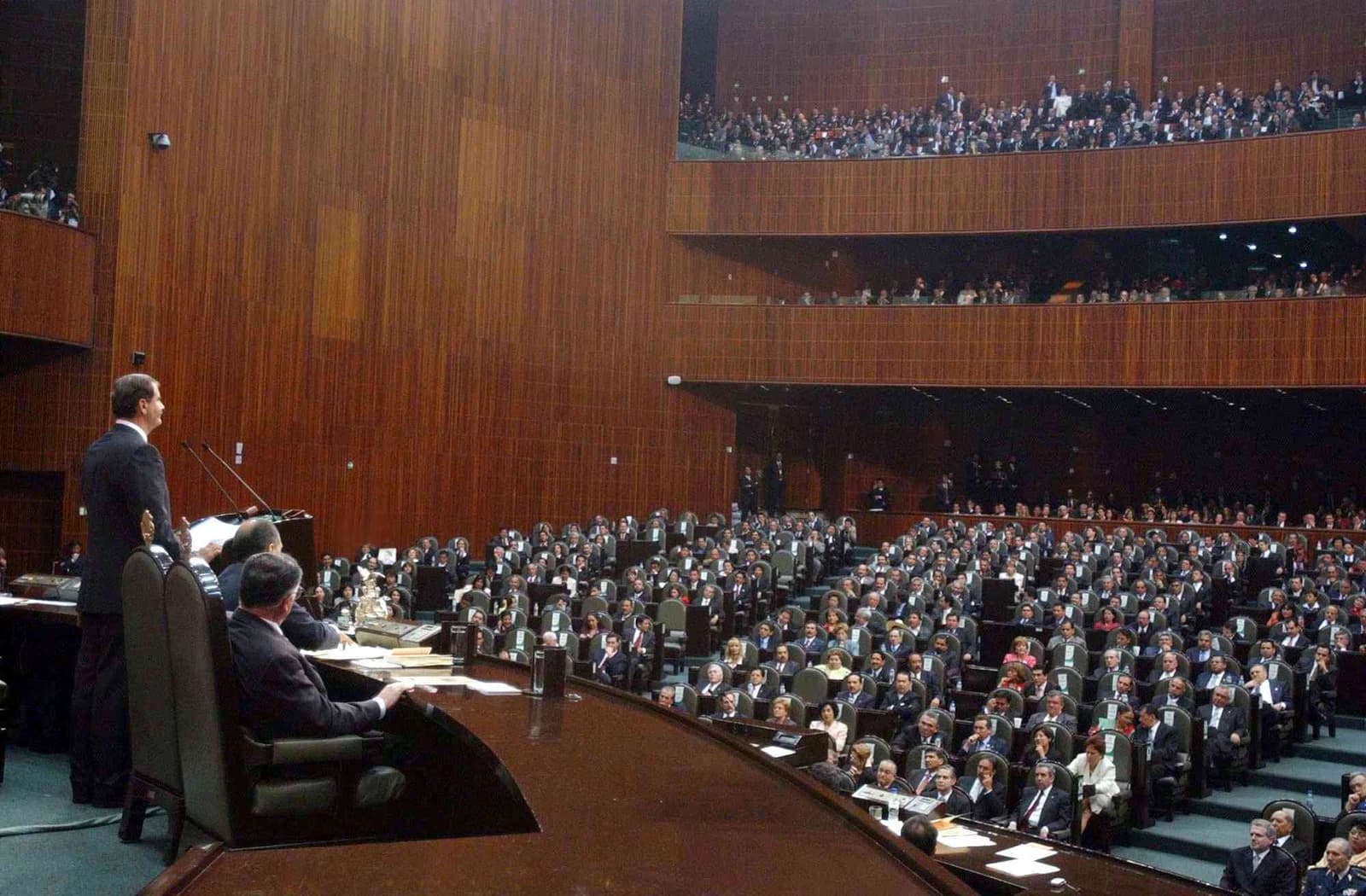
The immediate economic significance is not the size of the bill itself, but what it says about budget discipline. In a country already coping with a widening deficit, weak revenue visibility and pressure on public services, discretionary outlays on parliamentary travel deepen doubts over whether the government can rein in non-essential spending. That matters because Libya’s fiscal position remains heavily dependent on oil income and vulnerable to swings in output, prices and political control over institutions.
Sentiment IndicatorsⓘProprietary · adalytica.com · July 21, 2026
This is a snapshot — live sentiment, awareness and momentum for 130+ markets update continuously in the dashboard.Open AlphaPulse
The spending also lands at a politically sensitive moment. Libya’s fiscal debate has become increasingly tied to legitimacy: citizens facing higher prices and patchy services are likely to view legislative travel costs as evidence that elites remain insulated from the austerity imposed on households. For Prime Minister Abdulhamid Dabaiba’s administration, the optics are poor. Efforts to stabilize the economy become harder when lawmakers themselves are associated with expenses that do not directly support reconstruction, wages or service delivery.
For investors and counterparties, the story is less about the budget line than the trajectory it implies. Persistent leakage in public accounts raises the risk of a larger deficit, more borrowing pressure and slower progress on fiscal reform. That can matter for anyone exposed to Libya through energy contracts, sovereign risk, regional trade or infrastructure projects, because a state under fiscal stress is less able to honor commitments, fund maintenance or keep administrative institutions functioning reliably.
The broader narrative is that Libya’s financial problem is no longer just one of insufficient revenue. It is also one of spending quality. Oil receipts can cushion the balance sheet when output is strong, but they do not solve a system in which political fragmentation, entrenched patronage and weak oversight allow recurrent spending to outrun service delivery. The Reuters summary of a 5.7% deficit and reluctance to cut costs reinforces that concern: without sharper restraint, the state risks channeling scarce resources into low-multiplier spending rather than the repairs, power systems and social services needed to support growth.
The bull case is that the amount involved is manageable and could still prompt greater scrutiny of legislative allowances and travel practices. The bear case is that this becomes another example of spending that is politically easy to approve and politically hard to reverse, adding to a fiscal structure that remains exposed to oil volatility and governance failures. Investors should watch whether the episode triggers any audit, budget revision or broader reform push, because the real market question is whether Libya can move from ad hoc expenditure control to durable fiscal discipline.
| Entity | Gains | Losses |
|---|---|---|
| Libyan deputies | ▲Travel allowances and mobility | ▼Public scrutiny |
| Treasury/public finances | ▲None materially | ▼5.6 million dinars |
| Citizens/service users | ▲Limited upside if reform follows | ▼Fewer funds for services |
| Oil-dependent creditors/contractors | ▲Potential reform if spending tightens | ▼Higher fiscal risk |