Libya has brought in enough wheat to cover roughly three months of domestic demand, easing immediate food-supply pressure as the central bank moves to back more imports with about $300 million in fresh letters of credit.
Libya Secures Wheat Imports for Three Months
The shipments matter because wheat is a staple in Libya’s subsidized food system and any disruption quickly feeds into inflation, social strain and political pressure. With global grain markets still exposed to weather, shipping and geopolitical risks, the ability to keep port deliveries and financing flowing is central to containing food-price volatility.
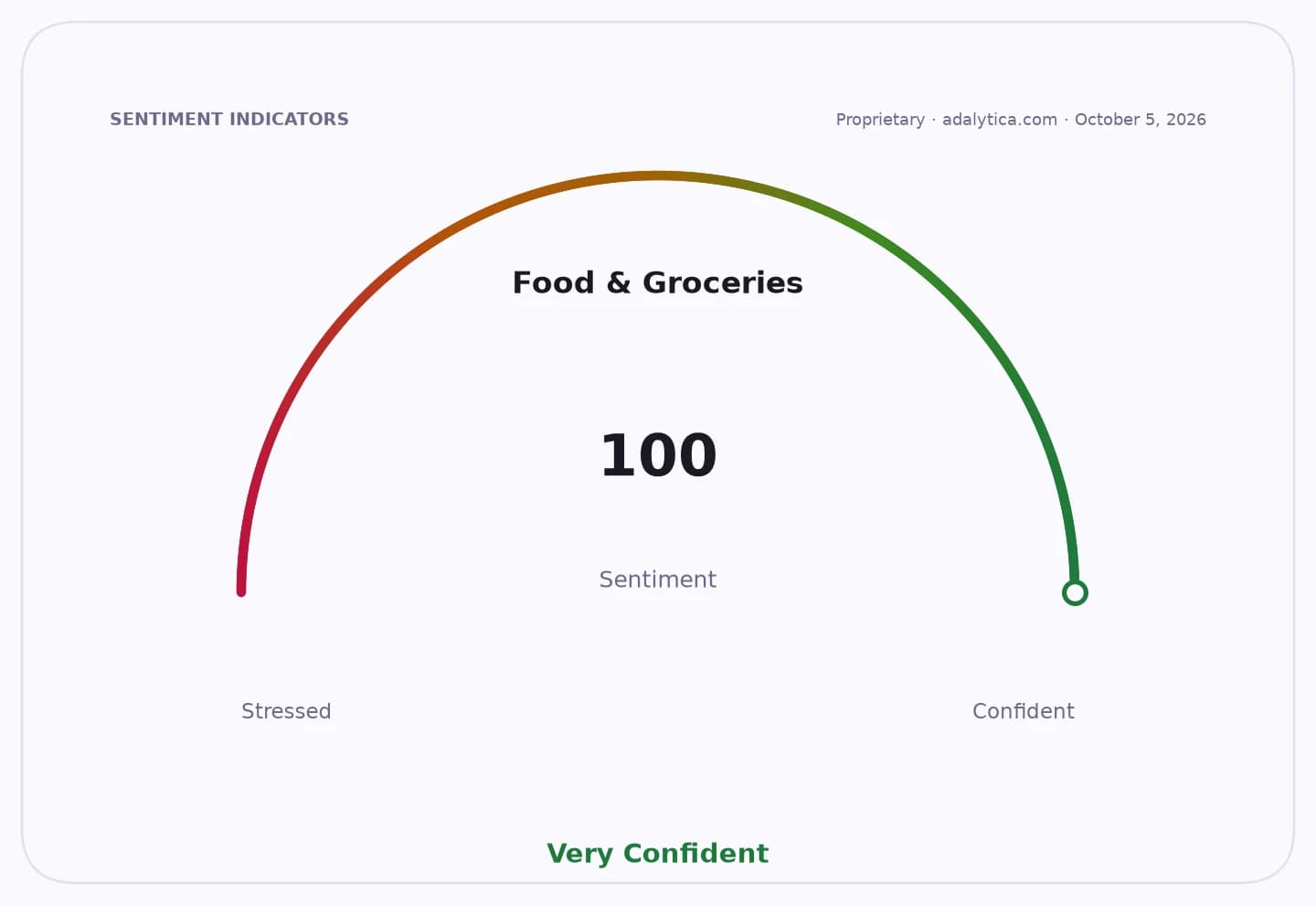
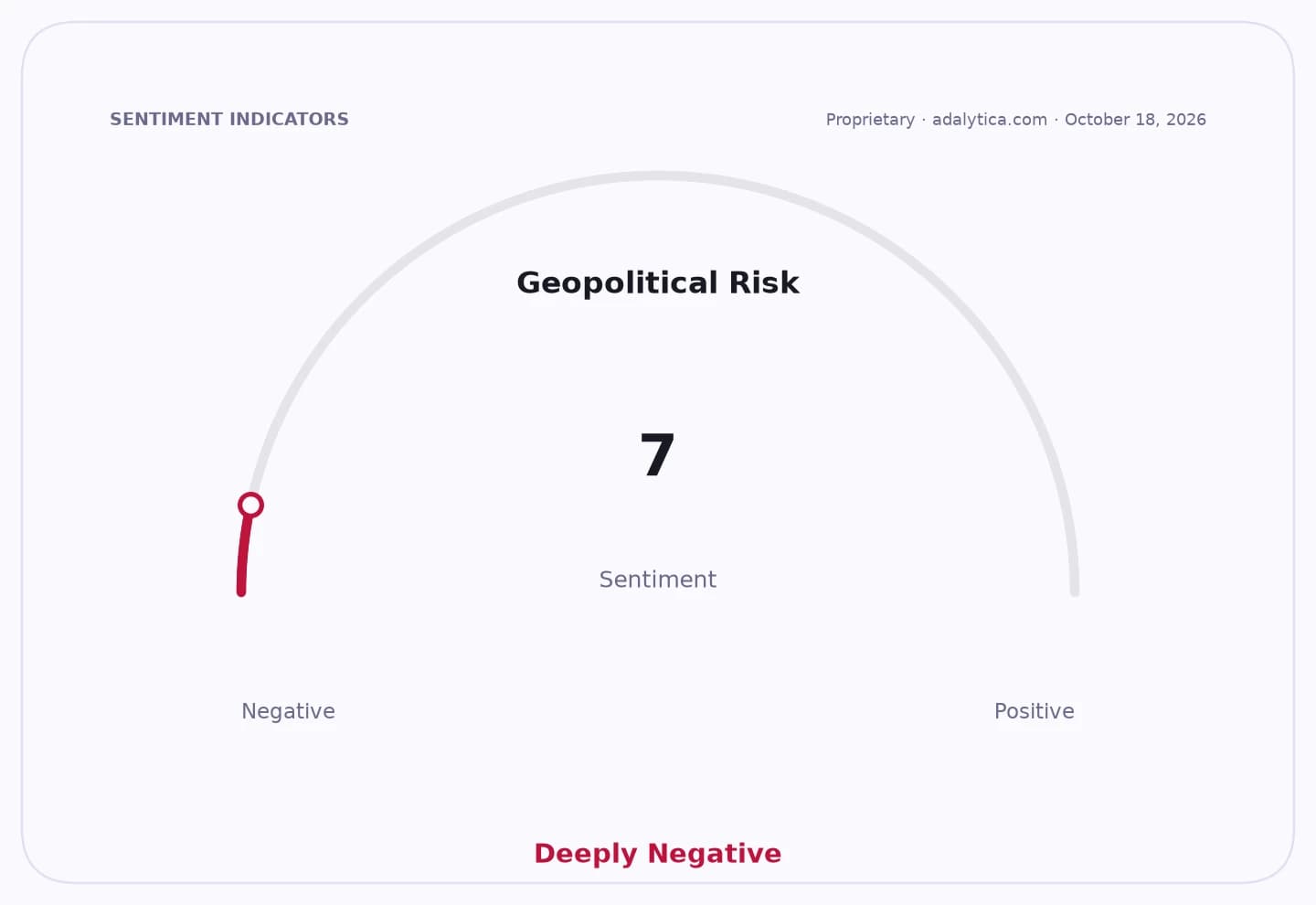
Sentiment IndicatorsⓘProprietary · adalytica.com · October 17, 2026
This is a snapshot — live sentiment, awareness and momentum for 130+ markets update continuously in the dashboard.Open AlphaPulse
The economy and markets are being supported by a sizeable build in inventories rather than by domestic production. Libya received 390,284 tons of wheat between Sept. 3 and Oct. 7, according to the economy and trade ministry of the internationally recognized government in Tripoli, alongside total grain arrivals of 484,586 tons on 11 vessels through the ports of Tripoli, Khoms and Misrata. The ministry said the wheat volume is enough to meet consumption for about three months, based on local estimates.
Misrata handled the largest share of the arrivals, with 342,302 tons of grain, followed by Tripoli at 78,284 tons and Khoms at about 64,000 tons. The cargoes also included rice, corn and soybean corn, underlining that the effort is aimed at stabilizing broader food supply, not just wheat availability.
The timing is important for investors because Libya’s food-import bill is highly sensitive to commodity prices, freight costs and foreign-exchange access. The central bank’s approval of import credits for grains worth nearly $300 million should help keep suppliers paid and shipments moving, reducing the risk of a break in the supply chain. That is particularly relevant after recent swings in global energy and shipping costs that can raise landed food prices even when grain prices themselves are more stable.
For grain traders and importers, the data point is less about a shortage than about logistics and financing discipline. For consumers, it is a signal that the government is trying to prevent the kind of inventory squeeze that can quickly spill into bread prices. For policymakers, it buys time: the immediate objective is to keep mills and bakeries supplied while authorities monitor unloading, storage and distribution to ensure stock actually reaches the market.
The broader narrative is one of food-security management in a fragile import-dependent economy. Libya is leaning on external supplies to bridge the gap while officials also point to efforts to strengthen domestic wheat production. For now, though, the key market takeaway is that near-term availability looks covered, which should reduce the risk of immediate shortages even as the country remains exposed to the next turn in global grain and dollar funding conditions.
| Entity | Gains | Losses |
|---|---|---|
| Libyan consumers | ▲More stable bread supply | ▼Less immediate risk of shortages |
| Importers and millers | ▲New credit lines for purchases | ▼Exposure to global price swings |
| Central bank and government | ▲Short-term food-security buffer | ▼Bigger import financing burden |
| Global wheat suppliers | ▲Firm demand from Libya | ▼Pressure if Libya’s stockpiles curb near-term buying |