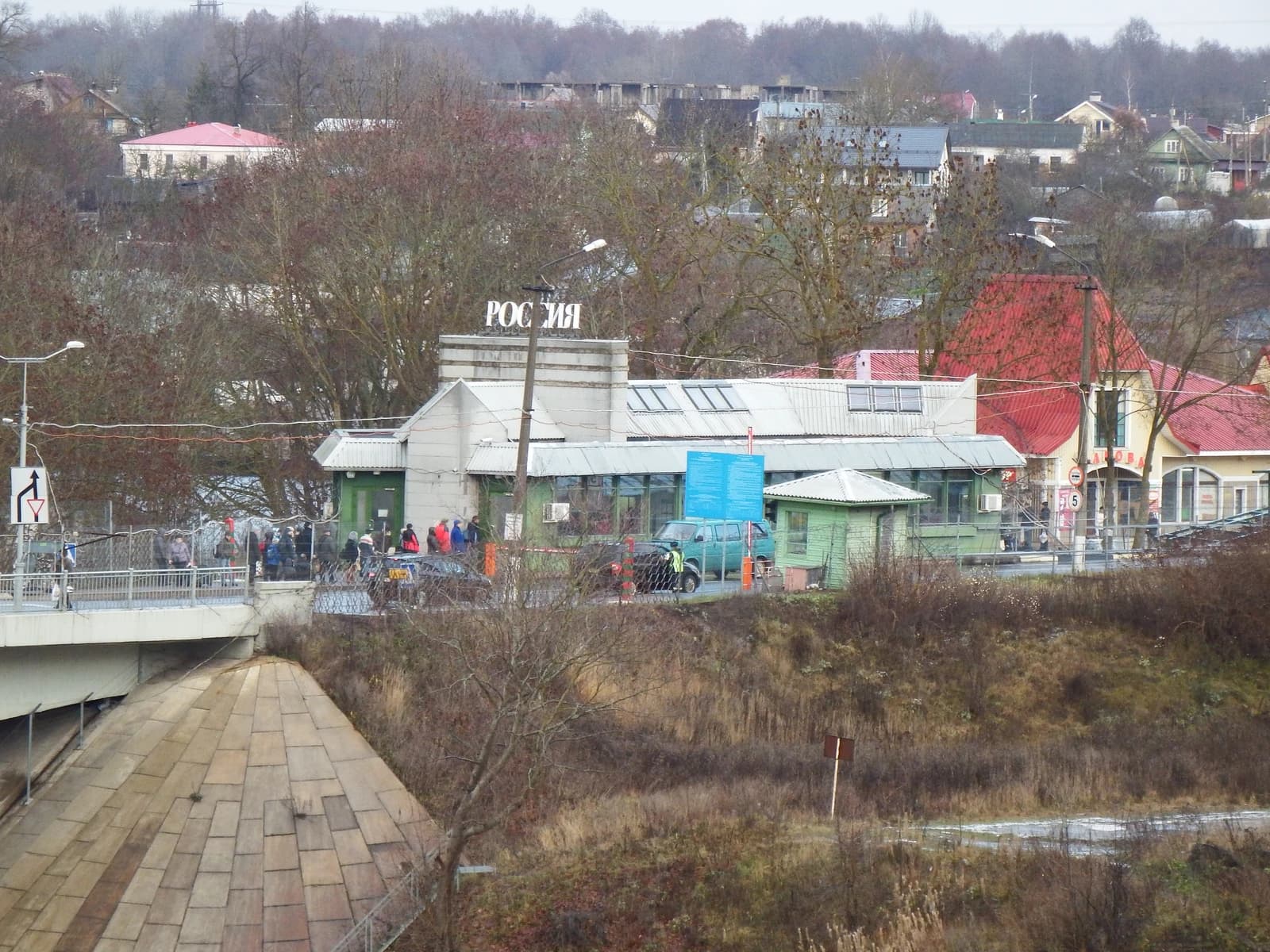
Lithuania’s capital is moving closer to a regional bus clampdown on Russia and Belarus, a shift that could choke off one of the last visible cross-border travel channels and deepen the economic separation of the Baltics from Moscow and Minsk.
Lithuania Bus Links to Russia, Belarus Face Clampdown
Vilnius Mayor Valdas Benkunskas said he would support banning bus trips to the two countries, arguing that migration and border control are national security decisions and that the current system needs to be reviewed. His comments matter because they line up with a wider Baltic push to restrict mobility tied to Russia and Belarus, and because passenger transport is one of the few remaining legal, routine links still operating across the frontier.
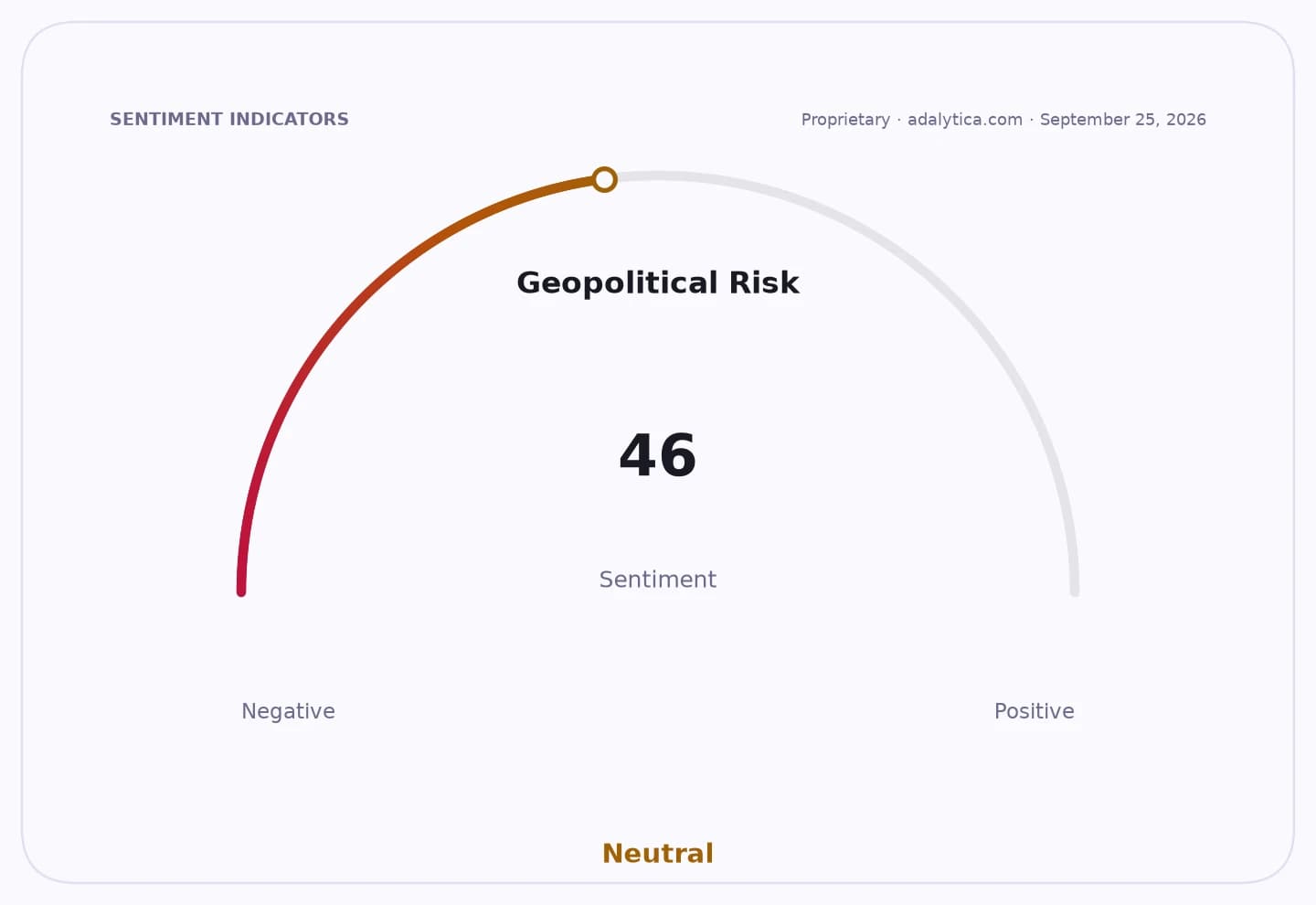
Sentiment IndicatorsⓘProprietary · adalytica.com · September 10, 2026
This is a snapshot — live sentiment, awareness and momentum for 130+ markets update continuously in the dashboard.Open AlphaPulse
That connection is not small. Lithuania’s transport safety administration says 29 permits are currently in force for regular passenger transport between Lithuania and Russia and Belarus or transit through Lithuania, including routes to Minsk, Grodno, Gomel, Lida and Ashmyany. In Latvia, the government is already preparing legislation that would ban regular and charter international bus services to Russia and Belarus from 2027, along with transit through Latvian territory.
For investors, the significance is less about the bus companies themselves than about the broader macro message: the Baltic states are steadily hardening the border regime around Russia and Belarus, reinforcing a long-term decoupling in trade, mobility and logistics. That can raise compliance costs, reduce route options and further isolate the eastern transport corridor, while also pushing travelers and operators toward more expensive workarounds such as transfers via Estonia or Lithuania and smaller van services that sit outside standard bus rules.
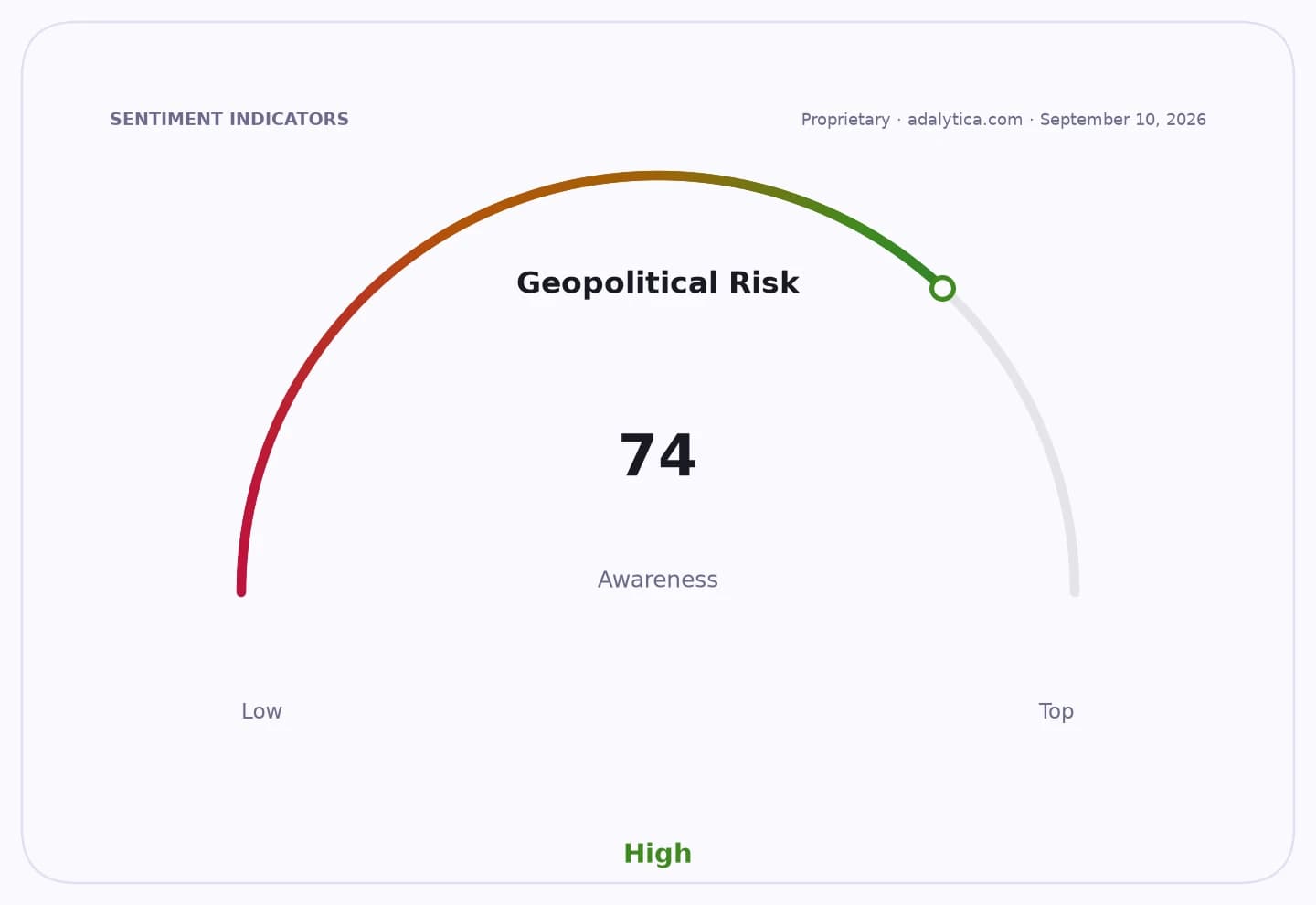
Geopolitical Risk vs GBTGadalytica.com
Explore this data interactively — full history, time series and cross-market comparisons.Open AlphaPulse
The Latvian transport ministry has already acknowledged that a unilateral bus restriction is only partly effective because passengers can reroute through neighboring countries. That is why the next catalyst is likely to be coordination at the Baltic or European Union level. If that happens, the policy would carry more force, reducing the scope for leakage across borders and making the travel cut-off more durable.
The market takeaway is clear: this is a policy-driven tightening of the region’s geopolitical perimeter, and those shifts rarely stop at transport. They tend to spill into tourism flows, cross-border consumer activity, freight patterns and security spending. The winners are Baltic authorities and carriers positioned on compliant regional routes; the losers are operators exposed to Russia- and Belarus-linked passenger traffic and the travelers who still rely on those links.
If the ban gains broader EU backing, it would be another step in Europe’s slow but steady restructuring of postwar eastern logistics. For investors, the real opportunity lies in seeing these border changes not as isolated transport rules, but as part of a larger, investable geopolitical trend: less cross-border friction with Russia, more capital directed toward alternative routes, regional security and domestic infrastructure.
| Entity | Gains | Losses |
|---|---|---|
| Baltic governments | ▲Tighter border control | ▼Transit flexibility |
| EU-aligned operators | ▲Safer regional routes | ▼Russia/Belarus traffic |
| Lithuanian/Latvian travelers | ▲Clearer rules | ▼Cheaper direct options |
| Russia/Belarus-linked carriers | ▲— | ▼Passenger demand |