Lithuania’s prime minister is pressing for a clear timetable to normalize relations with China, a shift that could ease a years-long diplomatic rupture and remove one of the most visible frictions between Beijing and the European Union.
Lithuania Seeks Timeline to Normalize China Relations
The stakes are bigger than protocol. A thaw could help Lithuania’s exporters, reduce political risk for European companies operating in China-sensitive supply chains and lower one more source of uncertainty in an already fragile EU–China commercial relationship.
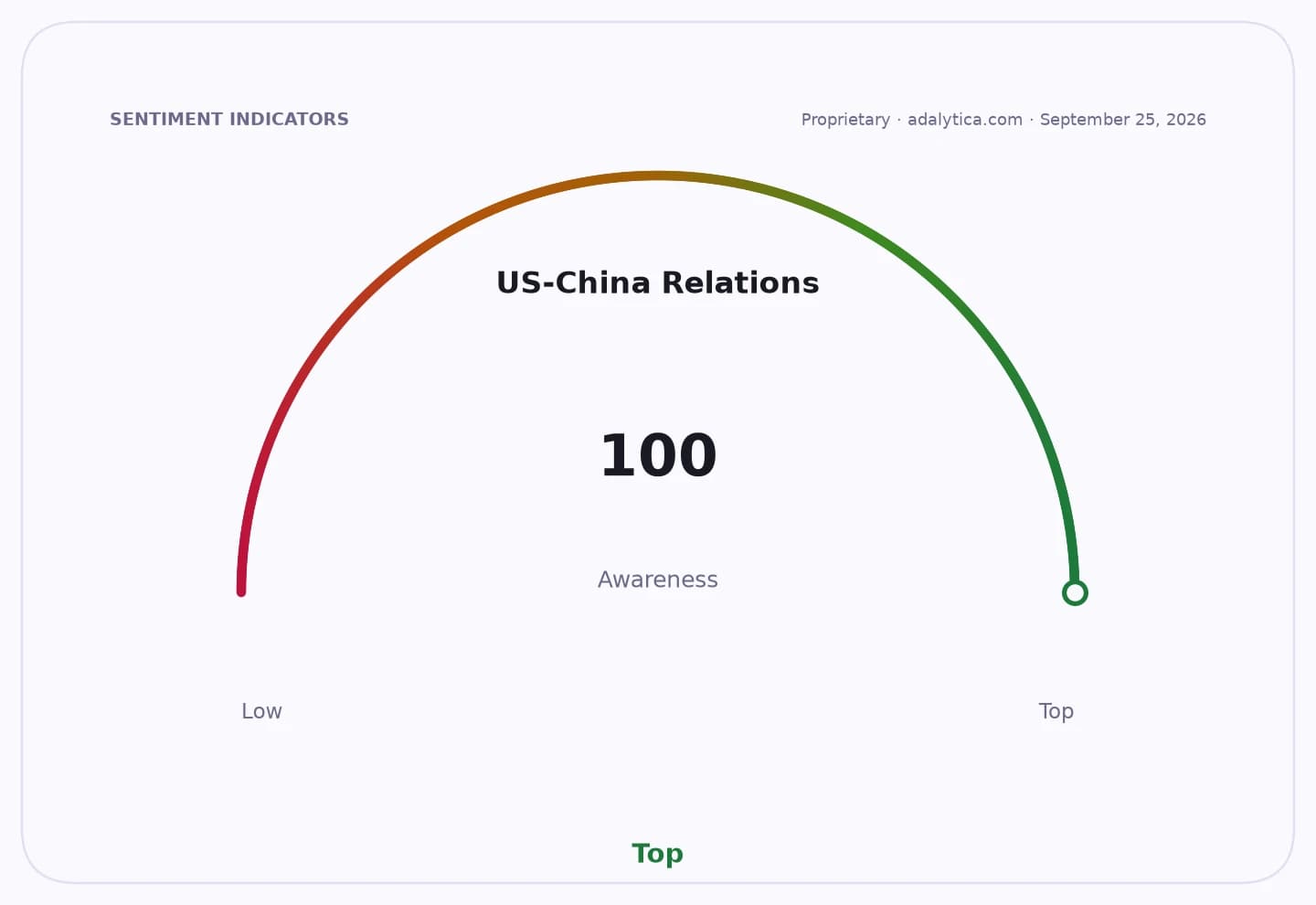
Sentiment IndicatorsⓘProprietary · adalytica.com · September 4, 2026
This is a snapshot — live sentiment, awareness and momentum for 130+ markets update continuously in the dashboard.Open AlphaPulse
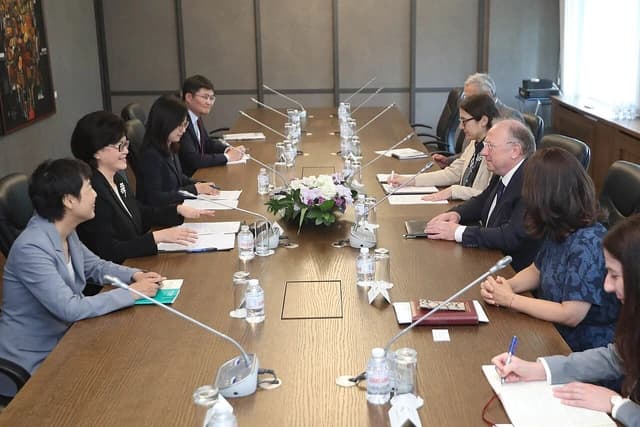
The prime minister said he wants a concrete plan from Foreign Minister Kęstutis Budrys on how quickly the government can deliver on its pledge to restore diplomatic ties to the level maintained by other EU states. He said progress is expected, but insisted that “real efforts” matter more than promises, adding that any failure needs a clear explanation rather than inaction.
Relations soured in 2021 after Lithuania allowed Taiwan to open a representative office in Vilnius under the name “Taiwanese Representative Office,” prompting a sharp backlash from Beijing. The government now says it wants normalization with China while preserving stability at home, and Budrys has said the ministry already has an action plan.
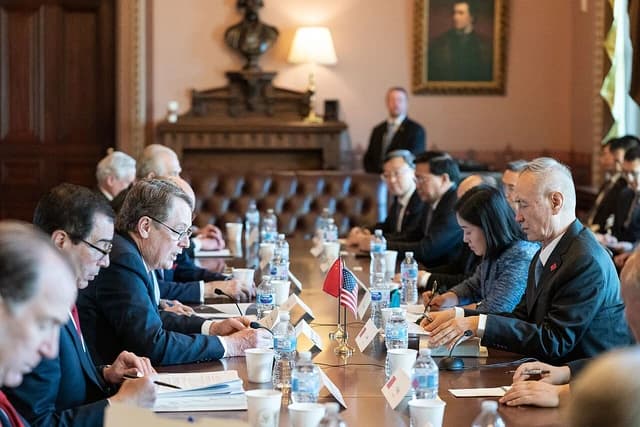
For investors, the issue matters less for immediate market impact than for what it could mean over time: a reduction in headline risk around China-facing European assets and a marginally better backdrop for trade, procurement and industrial supply chains. China remains a central source of demand and policy risk for exporters across the bloc, while any easing of tensions would be welcome for companies exposed to cross-border logistics, machinery and consumer goods.
The broader geopolitical signal is also important. Lithuania’s move comes as China seeks to project a more accommodating tone in parts of its foreign policy, even as its relations with the U.S. and Europe remain strained in other areas. Whether Vilnius can translate the new rhetoric into a practical reset will depend on both sides, and the government has set 2027 as a point by which it hopes to see visible progress.
With the diplomatic track still at an early stage, investors will be watching for whether the government’s plan turns into concrete contacts with Beijing or remains a political talking point.
| Entity | Gains | Losses |
|---|---|---|
| Lithuania exporters | ▲Better market access | ▼Tariff and retaliation risk |
| EU firms in China | ▲Lower political uncertainty | ▼Diplomatic friction |
| China | ▲Improved EU ties | ▼Less leverage over Lithuania |
| Taiwan | ▲Supportive partner remains | ▼Risk of reduced visibility |