China has lodged protests with Italy and the European Union over a rare and quietly arranged visit to Italy by Taiwanese Vice President Hsiao Bi-khim, underscoring how even symbolic contacts between Taipei and Europe can trigger diplomatic friction with Beijing.
Taiwan Vice President Visit Triggers Italy, EU Protest

The trip matters because it highlights the narrow but politically sensitive space Taiwan has been trying to carve out with European partners as China steps up its campaign to isolate the island diplomatically. For Italy, the episode is less about formal state-to-state ties — Rome does not recognize Taiwan — than about managing relations with both Washington-aligned democracies and an increasingly assertive Beijing.
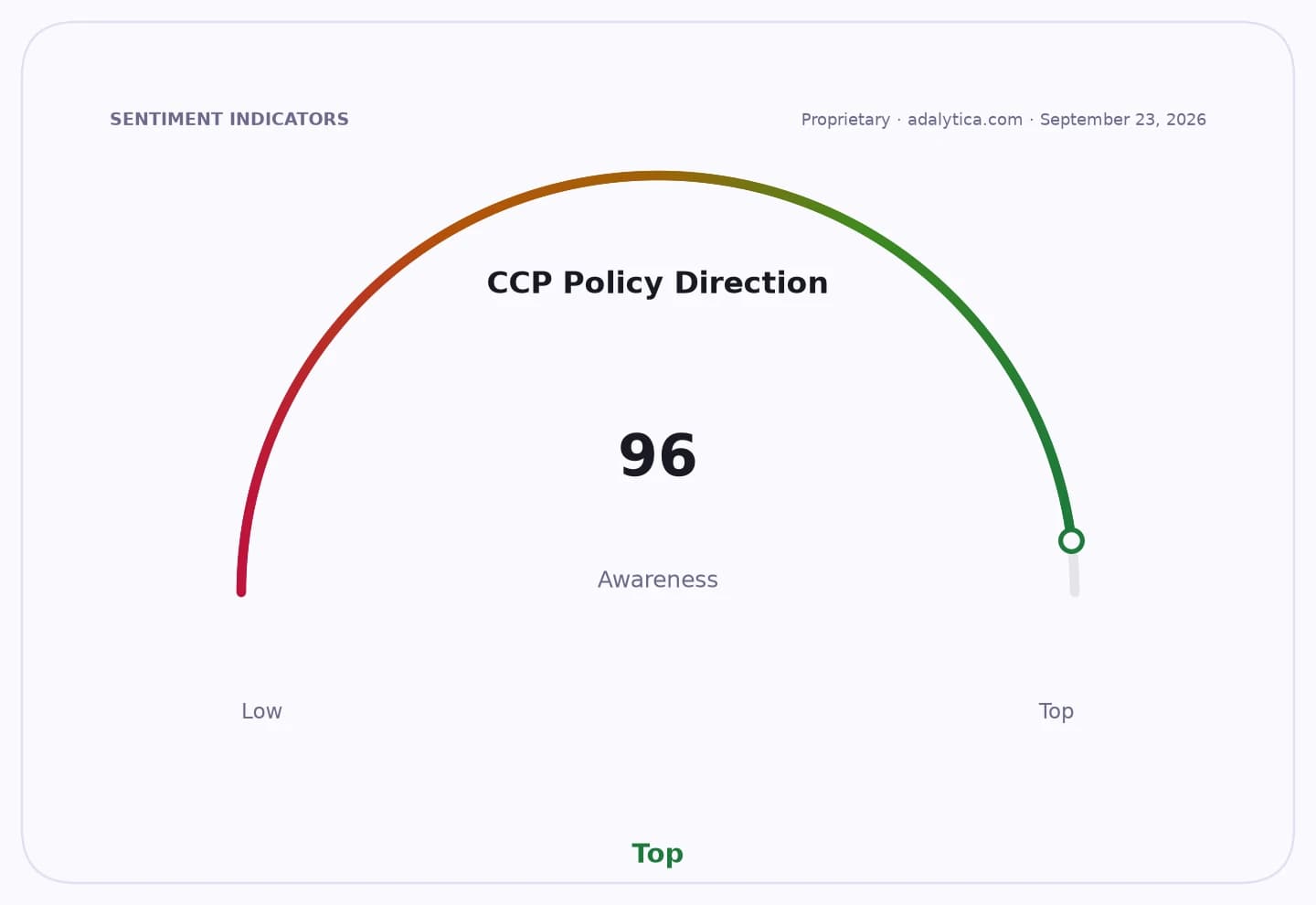
Sentiment IndicatorsⓘProprietary · adalytica.com · September 13, 2026
This is a snapshot — live sentiment, awareness and momentum for 130+ markets update continuously in the dashboard.Open AlphaPulse
Hsiao arrived on Ventotene, the Italian island associated with European federalist history, for a conference on democracy, alongside Taiwan Foreign Minister Lin Chia-lung. The visit was kept secret in advance to ensure her participation, according to European Parliament vice-president Pina Picierno. That secrecy itself speaks to the strategic delicacy of the trip: Taiwan wanted a high-profile European platform without giving China time to mobilize pressure to block it.
Beijing views Taiwan as a breakaway province and routinely objects when foreign governments engage with officials from Taipei. The protests to Rome and Brussels fit that pattern, but they also come at a time when European governments are recalibrating their China policies amid security concerns, trade tensions and growing unease over coercive diplomacy. Even without formal diplomatic recognition, Taiwan’s outreach to Europe carries weight because it signals that the island is not isolated and can still access political space in democracies willing to test Beijing’s red lines.
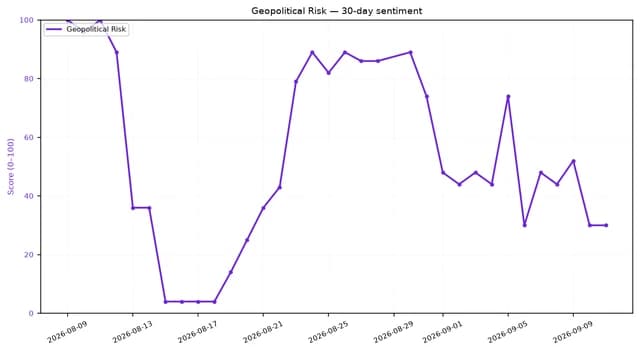
For investors, the immediate market impact is limited, but the geopolitical signal is not. Escalating friction between China and European capitals can complicate trade, technology and supply-chain relationships, especially in sectors already exposed to export controls, sanctions risk and scrutiny over strategic dependencies. It also reinforces the view that Taiwan remains a persistent source of geopolitical risk in Asia, a factor that can influence risk premia across semiconductors, shipping, defense and broader global markets.
The bull case for Taiwan’s diplomacy is that more European engagement gradually normalizes contacts and reduces Beijing’s ability to dictate the terms of international participation. The bear case is that each visible contact invites a sharper Chinese response, raising the odds of retaliatory pressure on individual countries and companies. For now, the episode is another reminder that Taiwan’s effort to expand its international footprint will continue to collide with China’s insistence on red lines — and that Europe is increasingly being pulled into that contest.
| Entity | Gains | Losses |
|---|---|---|
| Taiwan | ▲European visibility | ▼Beijing’s tolerance |
| China | ▲Hardline leverage | ▼Diplomatic control |
| Italy/EU engagement advocates | ▲Democratic signaling | ▼Short-term China ties |
| Investors in Asia risk assets | ▲Clarity on geopolitical risk | ▼Lower risk appetite |